
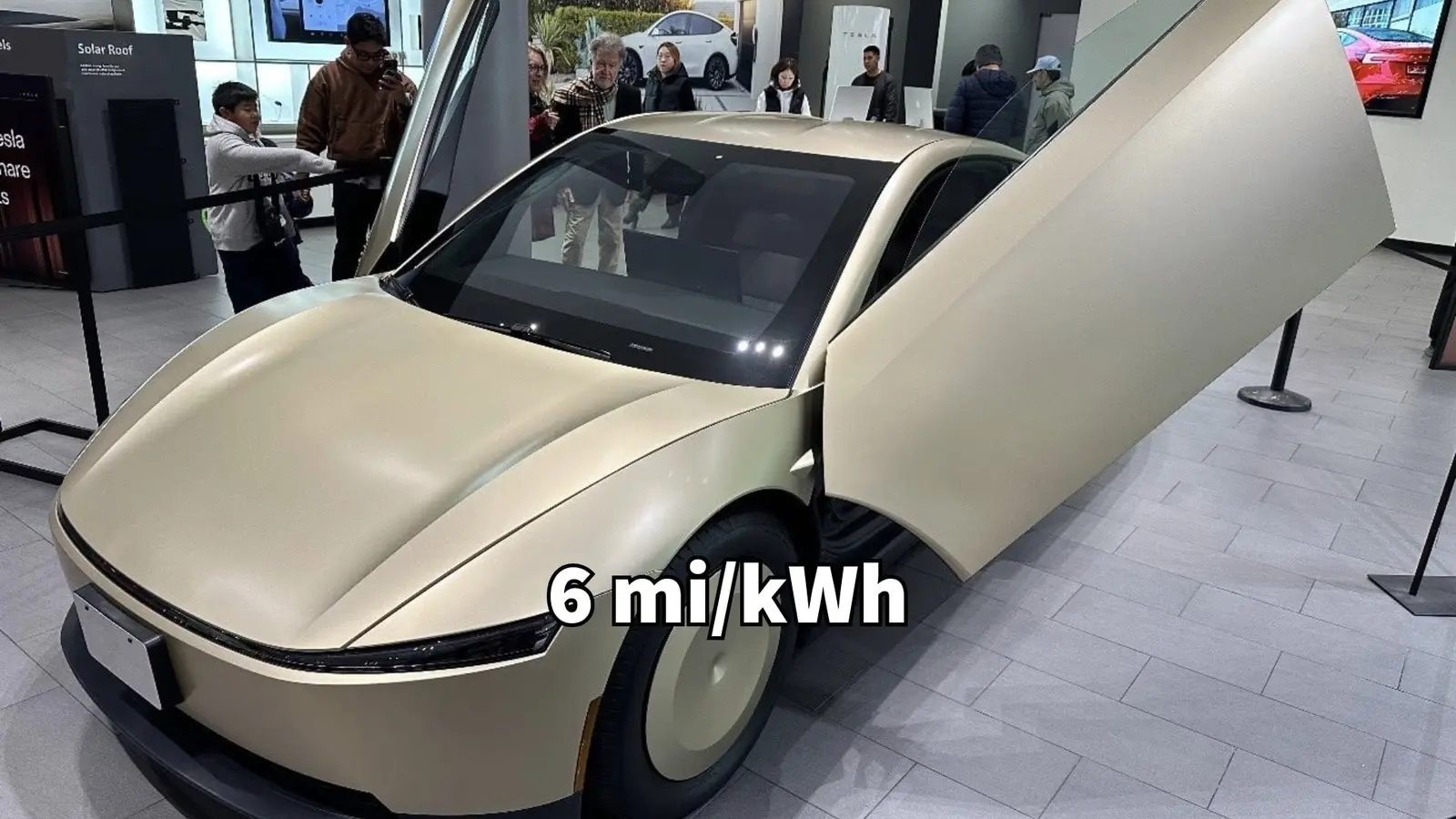
Picture an electric car so sparing with energy that a single kilowatt-hour carries you roughly six miles. It sounds like marketing hyperbole. It isn't.
The EPA filing for Tesla's two-seat Cybercab quietly confirmed what the company hinted at: this is not a power-hungry supercar, but an extreme efficiency experiment built for a specific job—moving people, not punching lap times.
Small battery, big mileage
Laboratory results show a 326-volt lithium-ion pack with 146 amp-hours, which adds up to about 48 kWh of usable energy. In bench testing the Cybercab posted 418.2 miles (673 km). After the EPA’s standard adjustment, that equates to roughly 290 miles (467 km) of EPA range—an outcome driven more by clever packaging and low mass than sheer battery size.

EPA figures point to 165 Wh per mile, roughly 6 miles per kWh, making the Cybercab the most efficient production car recorded.
Under the hood there’s a single front-mounted motor rated at 219 horsepower. Not blistering. But sufficient. Think: urban shuttle, not weekend canyon carver. Tesla could tune acceleration to be calm and composed—the sensible choice for a vehicle intended for robotaxi duty.
Weight matters. The Cybercab tips the scales at about 3,113 pounds (1,412 kg), roughly 400 pounds (180 kg) lighter than Tesla’s own Model 3 rear-wheel-drive. That lower mass, combined with tight aero and packaging decisions aimed at passengers rather than drivers, explains most of the efficiency gain.

Efficiency comparisons matter here. At around 6 mi/kWh, the Cybercab nudges past other ultra-efficient EVs and even beats Tesla’s early internal targets. When development began, Tesla aimed for about 5.5 mi/kWh. The EPA filing shows they’ve outperformed that target.
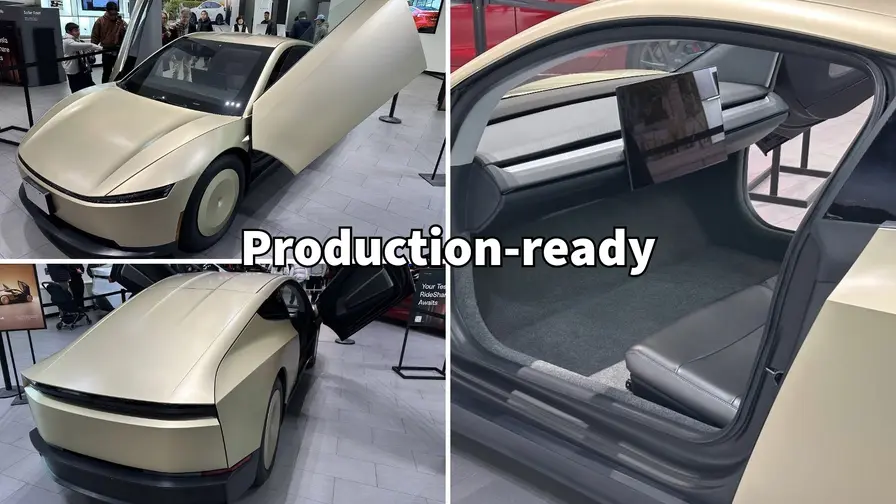
There are trade-offs. The Cybercab’s two-seat layout and a low-slung cabin make ingress and egress different from the tall, easy-access minivans favored by some autonomous fleets. Comfort, usability, and fare economics will all factor into whether cities and riders embrace it as a robotaxi at scale.

Tesla is positioning the Cybercab for its robotaxi plans, following Level 4 approvals for other vehicles in certain jurisdictions. The company has set an ambitious timeline, aiming for volume production in 2027 and plans to roll many units into service. Whether operators and passengers will prefer this approach over more conventional, taller platforms remains an open question.
Bottom line: the Cybercab’s headline is not raw power or a massive battery. It’s an exercise in doing more with less—engineering choices that stretch a modest battery into class-leading range. For cities that prioritize efficiency and utilization, that could be a revelation. For passengers who prize easy access and interior space, the verdict will come later, in kilometers traveled and rides completed.

“Cars are evolving faster than ever. I cover electric vehicles, smart mobility, and the future of transportation worldwide.”

Discussion
Leave a Comment
Comments
No comments yet. Be the first.