
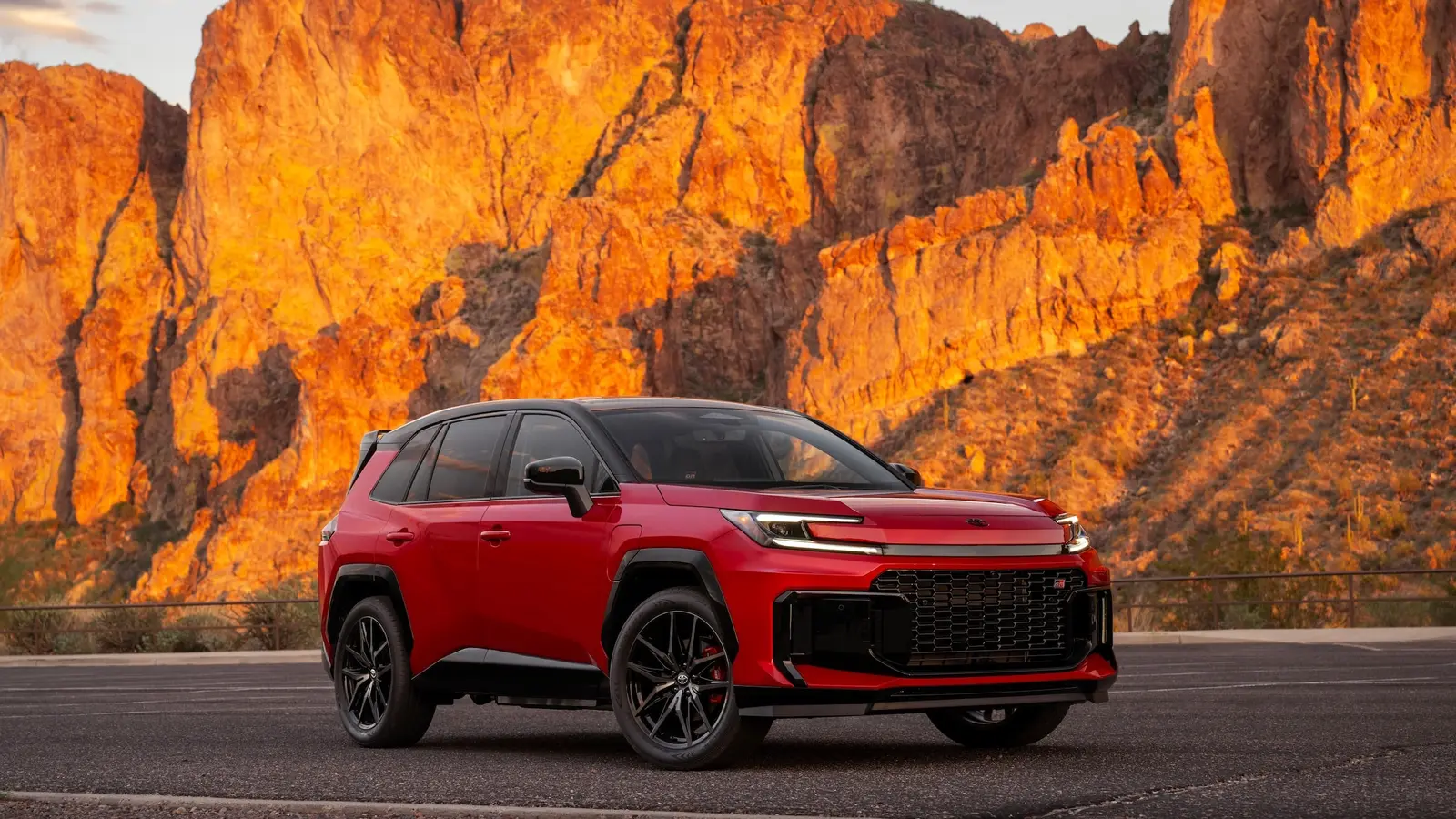
At dawn in Georgetown, a new chapter quietly began: RAV4 Hybrids rolling off the line, paint still fresh, engines tested and ready for U.S. roads. It is a practical move, but it also tells a bigger story about demand, supply and Toyota's bet on electrified combustion powertrains.
Toyota Motor North America has started producing the sixth-generation RAV4 Hybrid at its Kentucky plant, adding a crucial domestic source alongside existing Canadian assembly. The timing matters. Last year Americans bought 181,433 RAV4s, which explains why Toyota chose to localize hybrid output even as the plug-in hybrid for North America continues to come from Japan.

Sales dipped 24.4 percent in the first quarter of 2026, a reminder that model changeovers can cause short-term disruption. Dealers felt it. Inventory tightened. Plants adjusting to a new generation often run into delays. Expect supply relief to come slowly. Not in weeks, but in months.
What to know about the 2026 range
For 2026 the RAV4 goes hybrid-only, but that still leaves buyers with choices: a self-charging hybrid built in North America, or a plug-in hybrid sourced from Japan. Prices reflect those differences: the standard RAV4 Hybrid starts at about €29,670, while the plug-in lineup begins near €38,600 and tops out at roughly €45,110 for the range-topping performance trim.
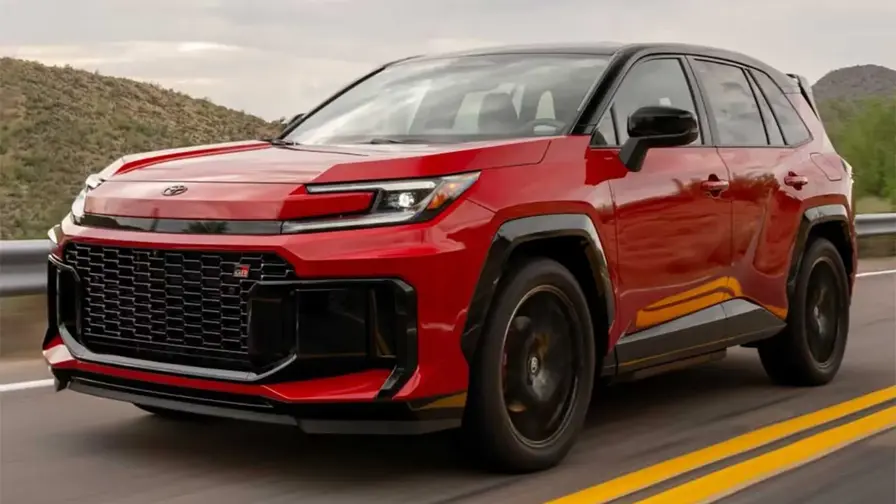
Power figures are compact but purposeful. Front-wheel-drive hybrids are rated at 226 horsepower. All-wheel-drive versions push that to 236 horsepower. The rear-mounted electric drive contributes 89 pound-feet of torque, which is 121 newton-meters. The plug-in system can deliver up to 324 net combined horsepower and an all-electric range of about 54 miles, or 87 kilometers.
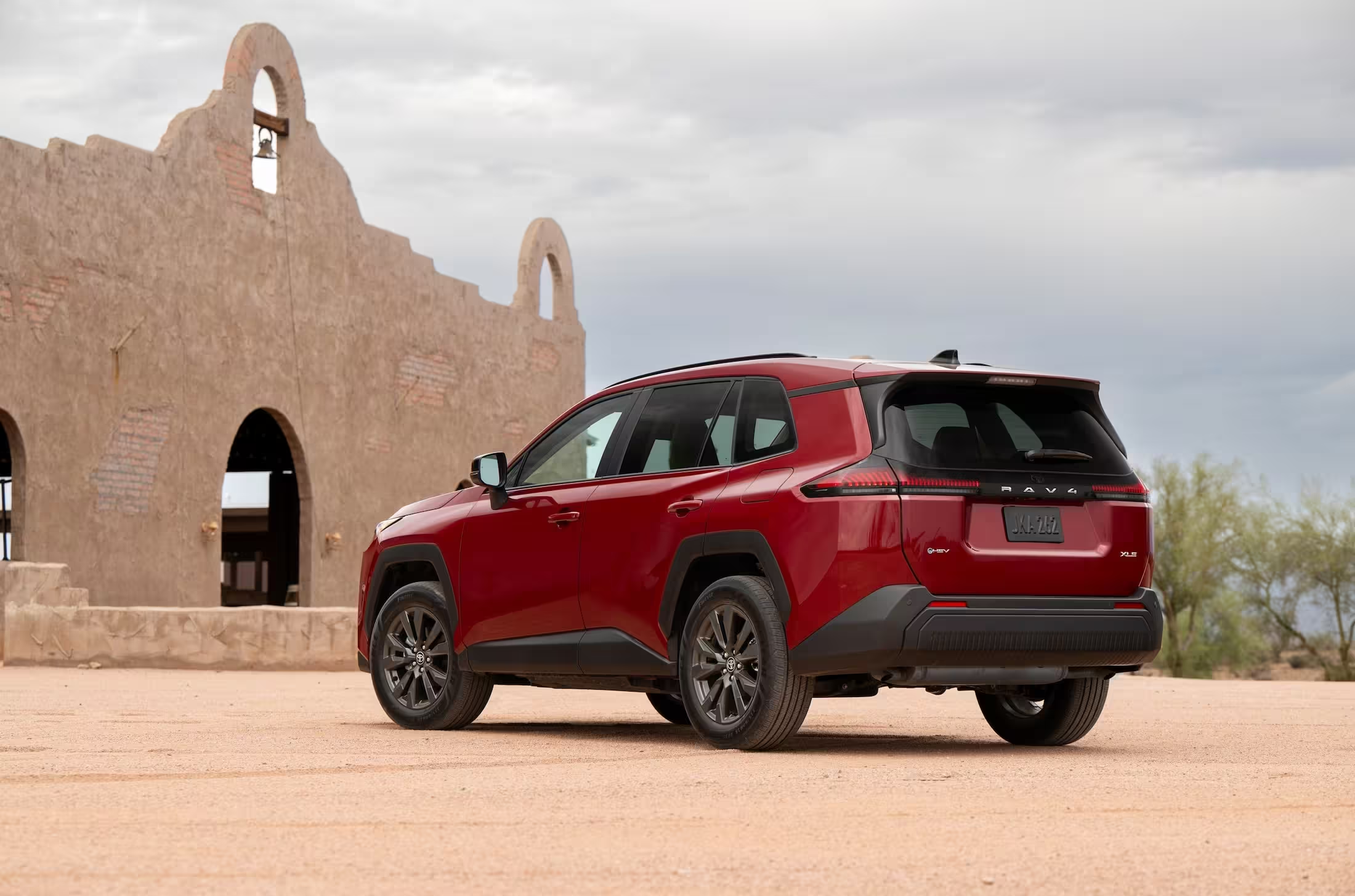
Ground clearance is practical for everyday adventures: most trims sit at 8.1 inches, roughly 206 millimeters. The Woodland trim raises that to 8.5 inches, 216 millimeters, and dresses the RAV4 for rougher tracks with trail-tuned suspension and Dunlop GrandTrek all-terrain tires. It also adds raised black roof rails with crossbars, a rear activity mount for cargo accessories, and an optional 120-volt outlet for power on the go.

Kentucky production should ease U.S. shortages in the months ahead.
Why did Toyota keep plug-in production in Japan? Logistics and capacity play a role, along with supply chain choices for battery systems and components that are still concentrated overseas. Building the hybrid domestically, however, signals long-term confidence in demand for electrified gasoline powertrains even as battery-electric models gain traction.

The real test will be how quickly the Georgetown plant ramps to steady-state production. Dealers and buyers will watch inventories and ordering windows closely. For now, the move buys Toyota flexibility and offers American customers better access to the bestselling compact SUV they have shown they still want.

“Cars are evolving faster than ever. I cover electric vehicles, smart mobility, and the future of transportation worldwide.”

Discussion
Leave a Comment
Comments
No comments yet. Be the first.