
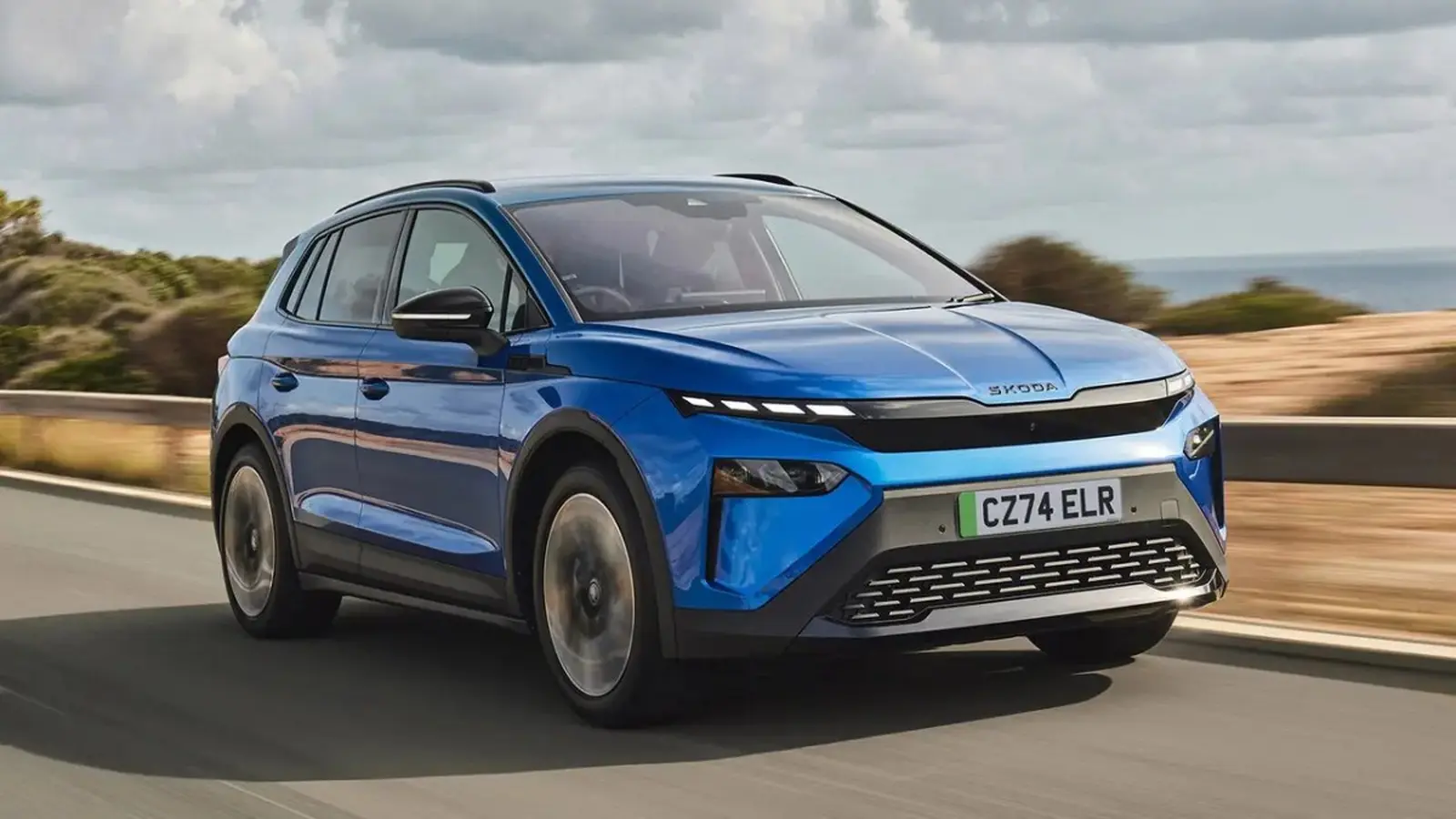
Picture a July morning at a suburban forecourt: more customers are asking about charge times than torque. It used to be the other way around.
Electric cars outsold petrol cars in the UK over a full year for the first time. That is not a blip. It is a shift you can measure.
Between June 2025 and May 2026, British buyers registered 516,490 new electric vehicles, while new petrol cars totaled 504,010. Those numbers, from registration data analysed by industry bodies, mark a reversal of a century-old default. EVs are no longer niche or novelty; they have become the buyer's default in a major automotive market.

Politics, accounting and the shape of demand
Timing matters. This milestone lands amid heated debate in Westminster. Automakers and unions are lobbying to relax the government's rising zero-emissions vehicle mandate, arguing that sales won’t meet the targets. Yet the registration figures suggest the industry has already been exceeding those expectations. So what’s at stake is not only supply and demand, but how success is counted.
The European Automobile Manufacturers' Association separates hybrids from pure petrol and diesel models, which highlights the decline in conventional fossil-fuel-only cars. The UK’s Society of Motor Manufacturers and Traders often classifies mild hybrids with petrol cars, a choice that can mask how quickly genuinely petrol-dependent options are shrinking. Definitions, it turns out, sway the story.
Month by month the trend sharpens. In May 2026, new electric car deliveries climbed 34 percent year on year to 43,931 units, while petrol registrations fell 14 percent to 35,068. Hybrids remain a sizeable segment: buyers took 56,321 traditional hybrids in May, a modest 2 percent rise (about 1,181 extra units). Plug-in hybrids showed stronger momentum, up 24 percent to 22,167 units as customers who want range anxiety insurance choose both systems.
Make no mistake: hybrids still matter. But their growth has flattened, and full battery electric models are the category pulling ahead.

On a broader stage, the UK is not alone. The European Union recorded a crossover moment in December 2025 when electric registrations outpaced petrol for the month, and global data compiled by the International Energy Agency shows EV sales grew around 20 percent in 2025. The IEA currently expects another roughly 15 percent rise before the end of 2026. That is momentum, and momentum reshapes supply chains, jobs and infrastructure planning.
So where does this leave drivers and manufacturers? For buyers, the choice has become more practical: more models, wider ranges, faster charging and better resale prospects make EVs a defensible everyday option. For automakers, the message is mixed—demand is real, but adapting factories, dealer networks and workforce skills remains costly and politically sensitive. For government, the numbers strengthen the case for policies that accelerate charging networks and support workforce transition rather than roll back targets.
Call it a quiet revolution. No single event declared it official. Instead, it crept into the statistics and then sat on top of them, patient and immovable. Expect the conversation to shift from whether EVs can win to how quickly the rest of the ecosystem will catch up.

“Cars are evolving faster than ever. I cover electric vehicles, smart mobility, and the future of transportation worldwide.”

Discussion
Leave a Comment
Comments (2)
Is this even true? Registrations up, but are they real long-term buyers or just fleets/leasing? If that’s real then... where are the chargers gonna appear?
Wow didnt expect it to flip this fast. Petrol vibe fading, EVs winning. Charging still messy tho, rural spots lagging big time, hope govt funds catch up.