
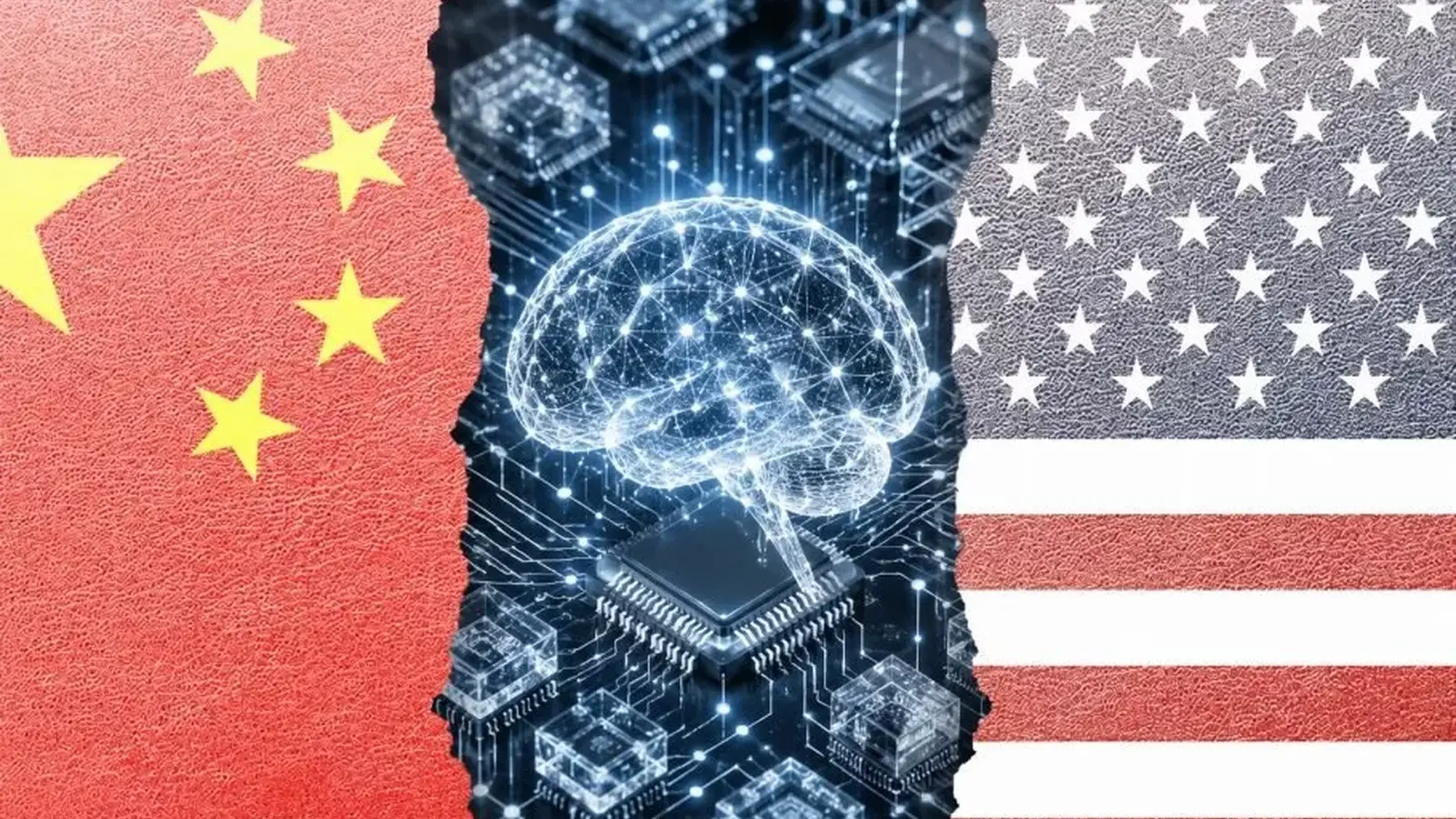
Imagine a diplomatic note that reads like an ultimatum. That’s the mood in capitals after a draft letter from the US State Department started circulating. Washington is asking friends and partners to make a clear choice in the accelerating rivalry over artificial intelligence: align with the US framework for secure AI supply chains, or opt into parallel China-led initiatives and risk exclusion.
A diplomatic nudge with supply-chain teeth
The United States has already moved beyond speeches. Last year it launched Pax Silica, a program designed to harden the supply chains that power large AI models: semiconductors, critical minerals and the infrastructure that underpins model training. Tokyo, Canberra and Seoul signed on quickly. Kazakhstan joined too, drawn by its vast mineral reserves. Now, according to the draft, Washington is telling 35 countries that endorsed last June’s "AI Opportunities" statement that membership in competing blocs is incompatible with the commitments Pax Silica requires.
What does that mean in practice? The letter makes it plain: countries cannot treat participation as a casual subscription. The implication is stark. If a country digs in with China’s parallel AI coalition, it may forfeit access to the US-led network of partners, investments and secure technologies. That’s not an empty threat. It’s leverage aimed squarely at key nodes in global supply chains.

China, for its part, has been busy building its own architecture. In July, President Xi Jinping unveiled what Beijing calls a global organization for AI cooperation, centered on open-weight models and broader international engagement. The move has been framed as an inclusive alternative. Washington sees it differently: as a parallel ecosystem that could funnel critical capabilities and resources into technology stacks beyond US influence.

Kazakhstan is the story everyone is watching. Rich in rare earths and other strategic elements, it has so far engaged both camps. That dual membership has prompted alarm in Washington, which is keen to reduce dependence on Chinese-controlled parts of the minerals and components chain. The US response mixes carrots and sticks: joint investments, AI projects, and diplomatic pressure to draw partners into an American orbit.
Beijing responded quickly to the diplomatic lobbying. The Chinese embassy in Washington criticized any politicization of trade and technology, saying such tactics would slow global AI progress. The message is predictable, but the stakes are real: control over mineral supply, chip production and model infrastructure translates into both economic and strategic advantage.
The competition has shifted from labs and papers to geopolitics and industrial policy. Open-weight models from China are advancing fast, challenging proprietary systems developed by Western companies such as Anthropic. At the same time, China’s influence over mining and processing gives it a bargaining chip in global tech disputes. The US tactic is to dilute that leverage by building alternative partnerships and funneling investment into friendly jurisdictions.
So where does that leave smaller countries and mid-tier powers? Many prefer not to be forced into a binary choice. Can they realistically sit on two chairs while the music changes? Some will try. Others will accept conditional access to markets and technology, choosing short-term economic opportunities or long-term security assurances. Either way, the era when technology policy was just technical is over. It’s geopolitical chess, with microchips and minerals as pawns.
Expect more diplomatic notes, more investment pledges, and more public signaling. The US letter is only the latest move. The larger question is whether countries will prioritize supply-chain security and interoperability with Western systems, or pursue the faster, perhaps cheaper route that China’s ecosystem can offer. Either path carries consequences.
In the months ahead, watch alliances, not just products. The decisions governments make will shape who builds the standards, who trains the models and, ultimately, who writes the rules for the next wave of digital power.

“I cover emerging technologies, digital innovation, and the intersection of tech and everyday life. My goal is to make complex trends accessible and inspiring.”

Discussion
Leave a Comment
Comments (2)
I’ve seen firms forced into binary choices like this, short term money, long term dependence. Kazakhstan dilemma, messy politics, real stakes
Wait so we gotta pick a side now? feels like a tech cold war, and who pays if supply lines snap…