
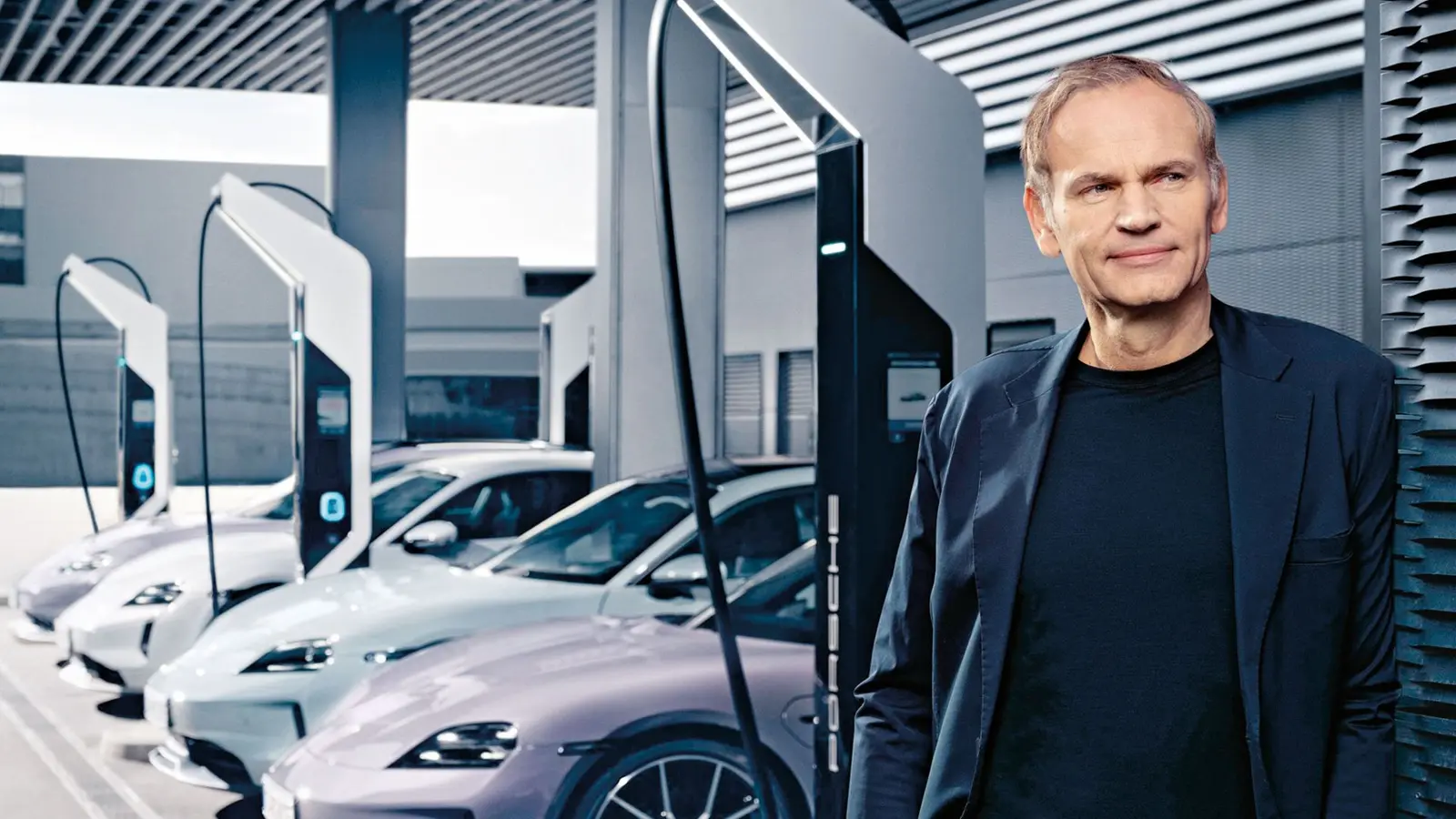
The Volkswagen Group faces a structural crisis that predates its current CEO and now tests Oliver Blume’s ability to steer multiple brands through falling margins, costly electrification choices and legacy liabilities.
Porsche under Oliver Blume and the Taycan era
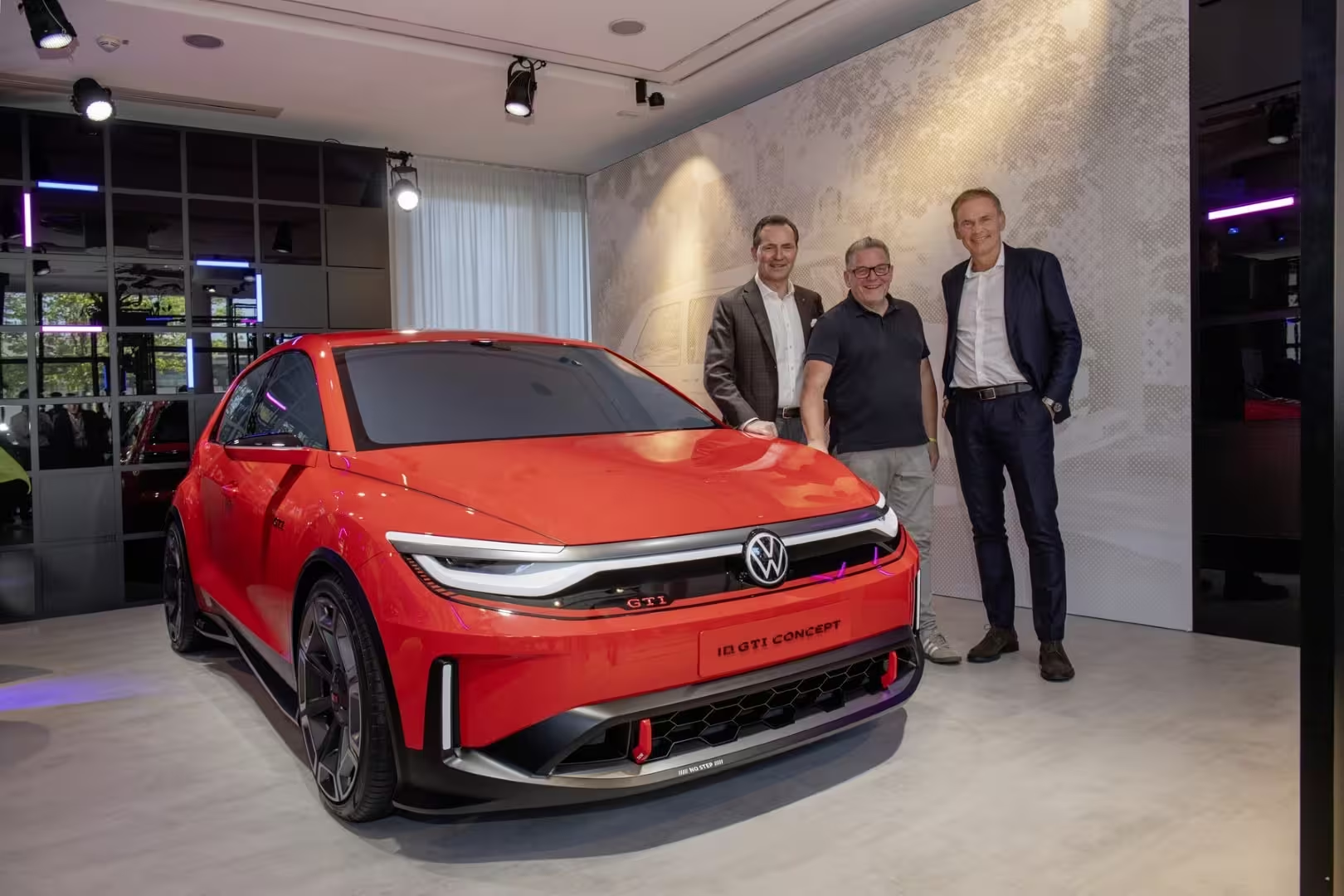
Oliver Blume became CEO of Porsche AG in 2015 after rising through Audi, SEAT and Volkswagen production and quality management. His tenure at Porsche, which lasted 11 years, is associated more with operational competence than with the engineering authorship that shaped earlier eras at the company.
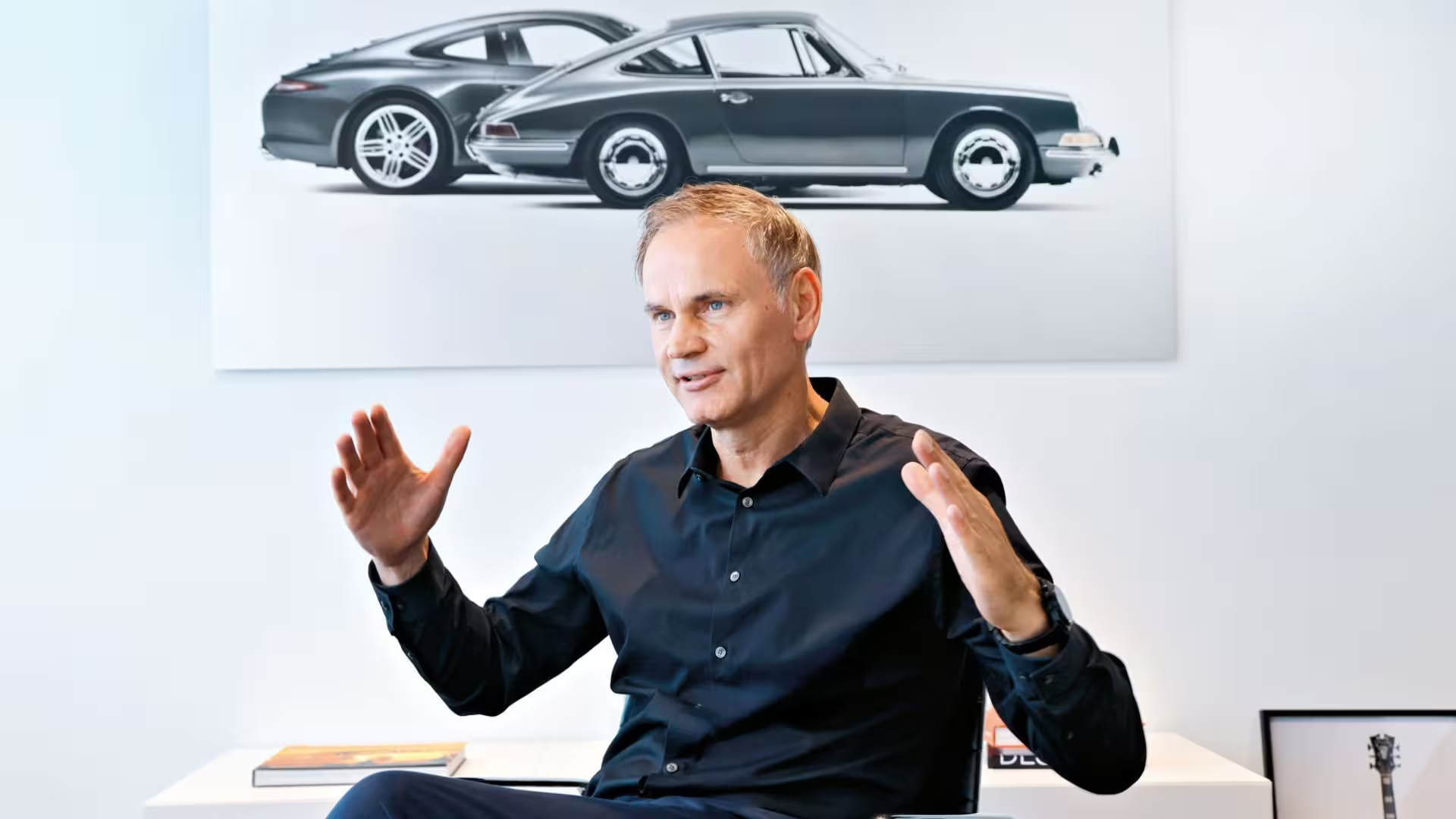
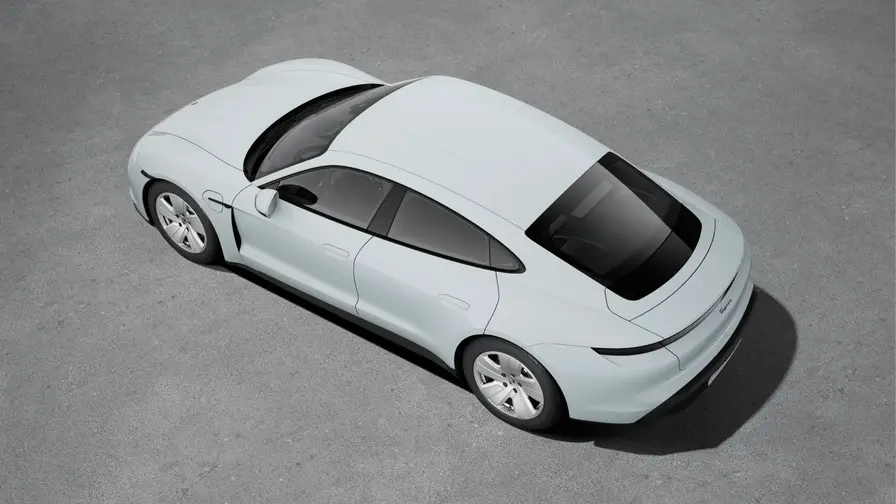
Porsche launched the production Taycan, derived from the Mission E program that predated Blume, carrying engineering features such as an 800-volt architecture, a two-speed rear transmission and a chassis focused on driver dynamics. Blume made commercial and portfolio decisions around the Taycan, including pricing, feature set and expanding the model into Sport Turismo and Cross Turismo variants.
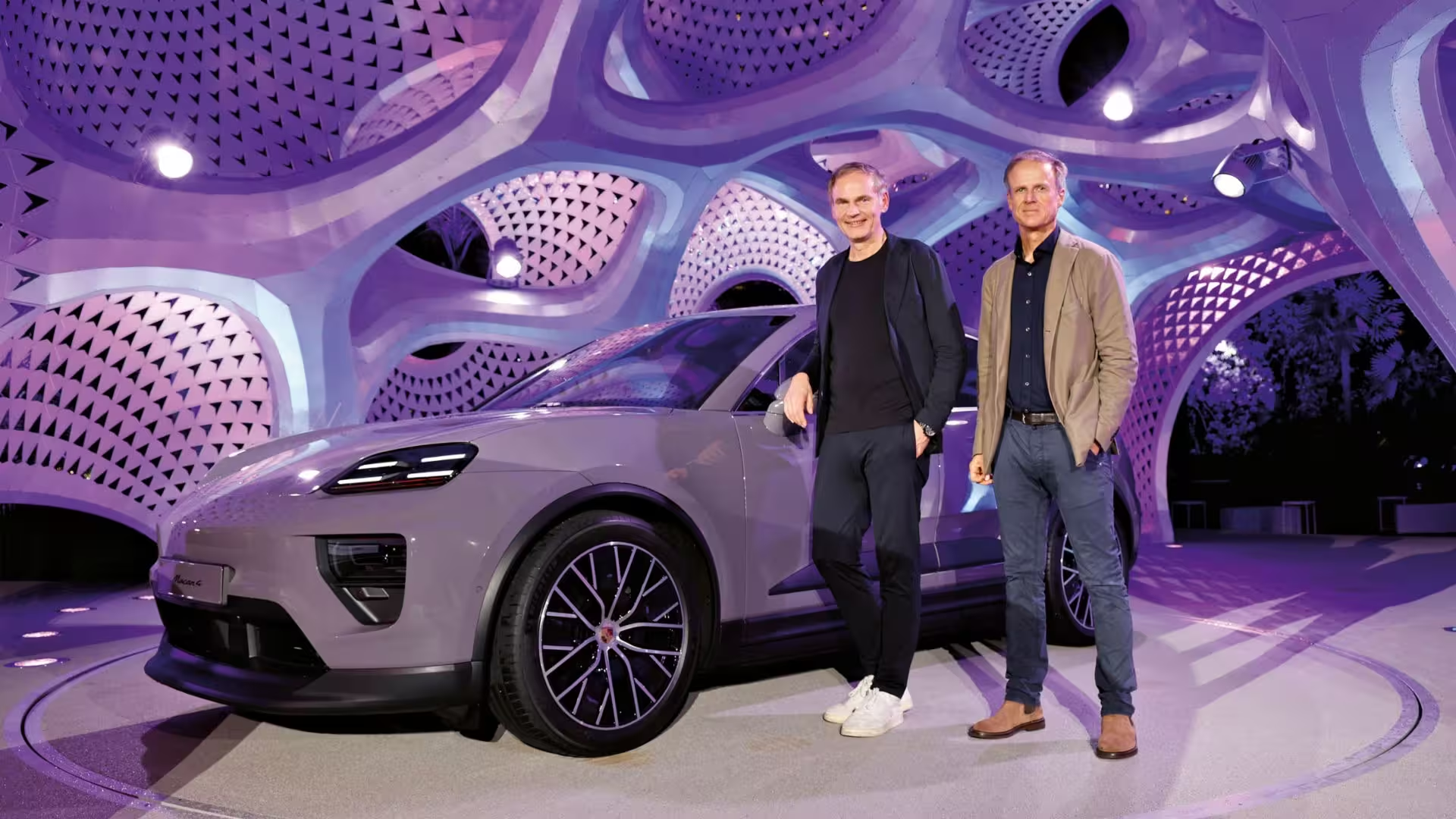
Porsche’s leadership also set an ambitious electrification target in 2024: the company pledged that by 2030 more than 80 percent of its production cars would be fully electric. Market results did not uniformly support that timetable. Taycan sales dropped 45 percent in 2025, and Porsche’s Macan electric in 2025 sold less than the now-discontinued combustion Macan. By the end of 2025, Porsche reported sharp declines in sales and profitability. In 2026 Blume was no longer CEO of Porsche but was supervising the entire Volkswagen Group.
Group-wide financial pressure and restructuring plans
Several structural issues predate Blume and constrain any turnaround. The financial legacy of Dieselgate totaled roughly $33 billion in fines, settlements and related costs between 2015 and the early 2020s, depleting cash reserves and diverting development budgets from electrification programs. At the same time, the Chinese market position that once accounted for more than 40 percent of group profit came under pressure from domestic EV manufacturers such as BYD, SAIC and Geely, which benefited from state support and local cost structures.
.webp "Porsche Appoints New CEO: Michael Leiters Returns to Lead")
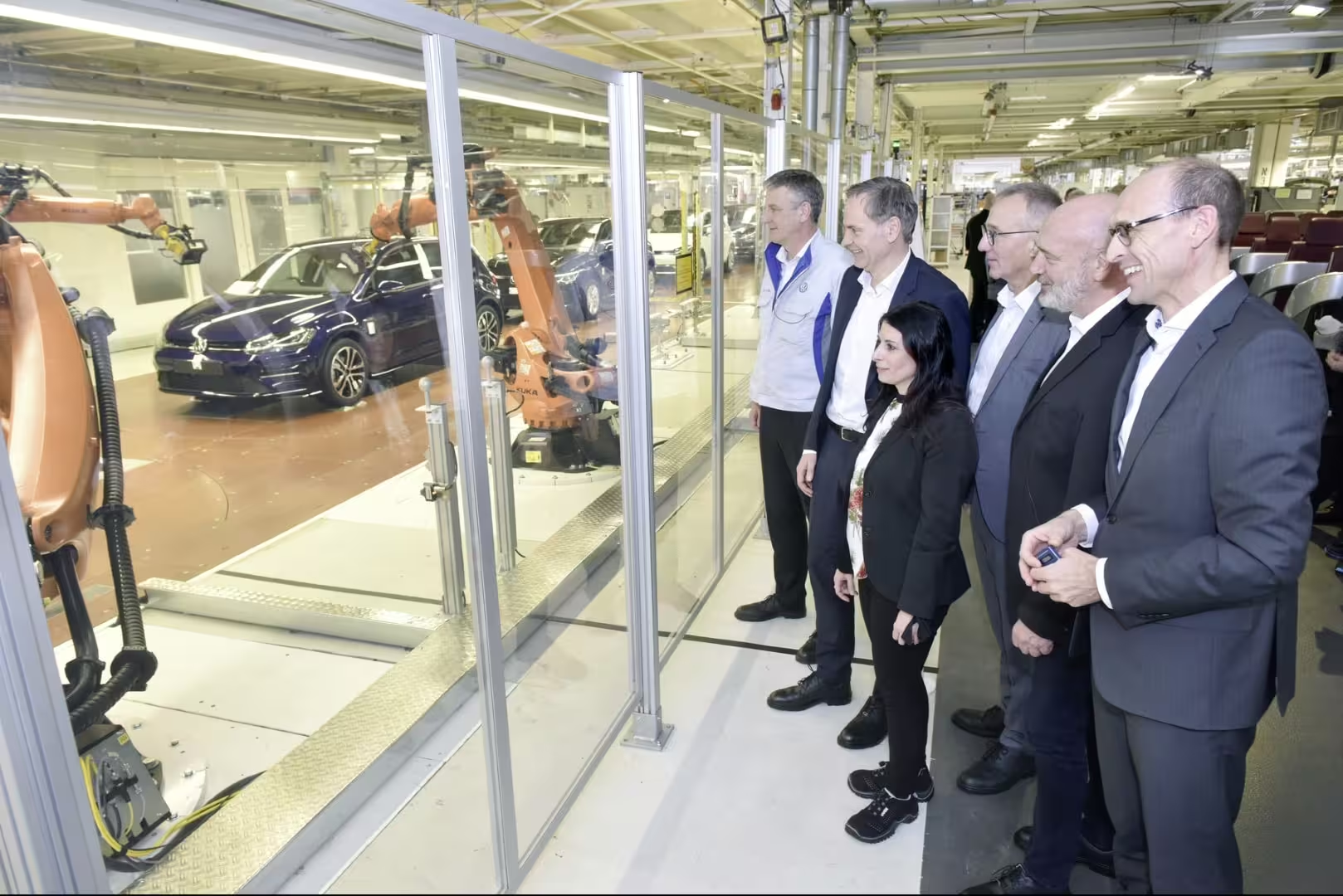
Herbert Diess’s electrification push produced the MEB platform and the ID family as part of a broader move toward an all-electric future. Under Blume the group’s operating margin fell to 2.8 percent in 2025, down from 5.9 percent the year before, and shares reached their lowest level in 16 years. Management has announced aggressive restructuring goals, including:
- reducing the model lineup by as much as 50 percent,
- up to 100,000 additional job cuts on top of 50,000 already planned,
- the possible closure of up to four German factories, and
- targeting 6 billion Euros in annual cost reductions by 2030.
Decisions on which platforms to abandon, which factories to close and which brands to retain across more than 100 distinct vehicles and 12 brands are central to the turnaround but are also politically and technically fraught. Manufacturing costs in Germany remain substantially higher than in lower-cost European locations, adding pressure to the choices.
Ferdinand Piech’s legacy and the leadership contrast
Ferdinand Piech represents the engineering-led leadership model that shaped many historic VW Group products. Piech, the grandson of Ferdinand Porsche, worked on projects such as the Porsche 917, the Audi quattro and later oversaw acquisitions and programs that established Volkswagen Group as a global conglomerate. Piech became Chairman of Volkswagen AG in 1993, and within four years returned the company to profitability, followed by further expansion over the next decade.
Examples often cited to illustrate Piech’s engineering authority include the Bugatti Veyron’s 1001 PS specification, which Piech insisted on, and other technically driven projects such as the Phaeton W12 and the Passat W8. The contrast drawn by observers is that recent CEOs, including Blume, are characterized more by operational and managerial skills than by the direct engineering authorship associated with earlier leaders.
That contrast matters because many of the VW Group’s current challenges are technical and organizational: integrating platforms, allocating scarce development resources, restoring product quality and deciding the pace and scope of electrification in markets that vary in readiness. Those engineering and program-level decisions will shape whether the group’s restructuring stabilizes margins and market position or leaves key brands and products further exposed.

“Cars are evolving faster than ever. I cover electric vehicles, smart mobility, and the future of transportation worldwide.”

Discussion
Leave a Comment
Comments
No comments yet. Be the first.