
Walk into a Volkswagen showroom in Berlin and you might notice brisk foot traffic and glowing plug-in displays. Visit one in Shanghai and the lights feel dimmer. That contrast is the clearest story behind Volkswagen Group's first-half 2026 results.
Market fractures, not a single setback
Globally the group moved 4,125,700 vehicles in H1 2026, a 6.3 percent drop from last year's 4,405,400. Pure battery-electric vehicles now account for 10.6 percent of the group's worldwide mix. At the same time, plug-in hybrids and extended-range models rose 27 percent, serving as a bridge while battery-electric momentum shifts between regions.

Why the split? Geography. Policy. Product choices. And the odd timing of incentives or tariffs. Those factors combined to turn what could have been a steady decline into a story of two worlds.
China and the US: where the pain is
Asia-Pacific deliveries fell 24 percent overall, with China down 25.9 percent. The BEV picture there is even starker: Chinese battery-electric deliveries plunged 47.9 percent between January and June. Volkswagen executives say the drop mirrors a broader contraction in the Chinese market, although the second quarter showed early signs of recovery helped by the SAIC-VW ID. ERA 9X extended-range SUV.
North America didn't offer relief. Volkswagen Group BEV sales in the region crashed 68.8 percent — from 31,300 units last year to just 9,800 this H1. A big part of that slide ties back to the loss of the federal EV tax credit for several models, import tariff complications, and a strategic shift to prioritize Atlas production at Chattanooga over the ID.4 crossover.

Europe is the other story. Deliveries there ticked up 3.5 percent to 2,041,000 vehicles. BEV volume in Europe climbed 8.4 percent to 377,000 units, giving the group a 21 percent share of Western Europe’s battery-electric market. In short: Europe is carrying the growth baton for now.
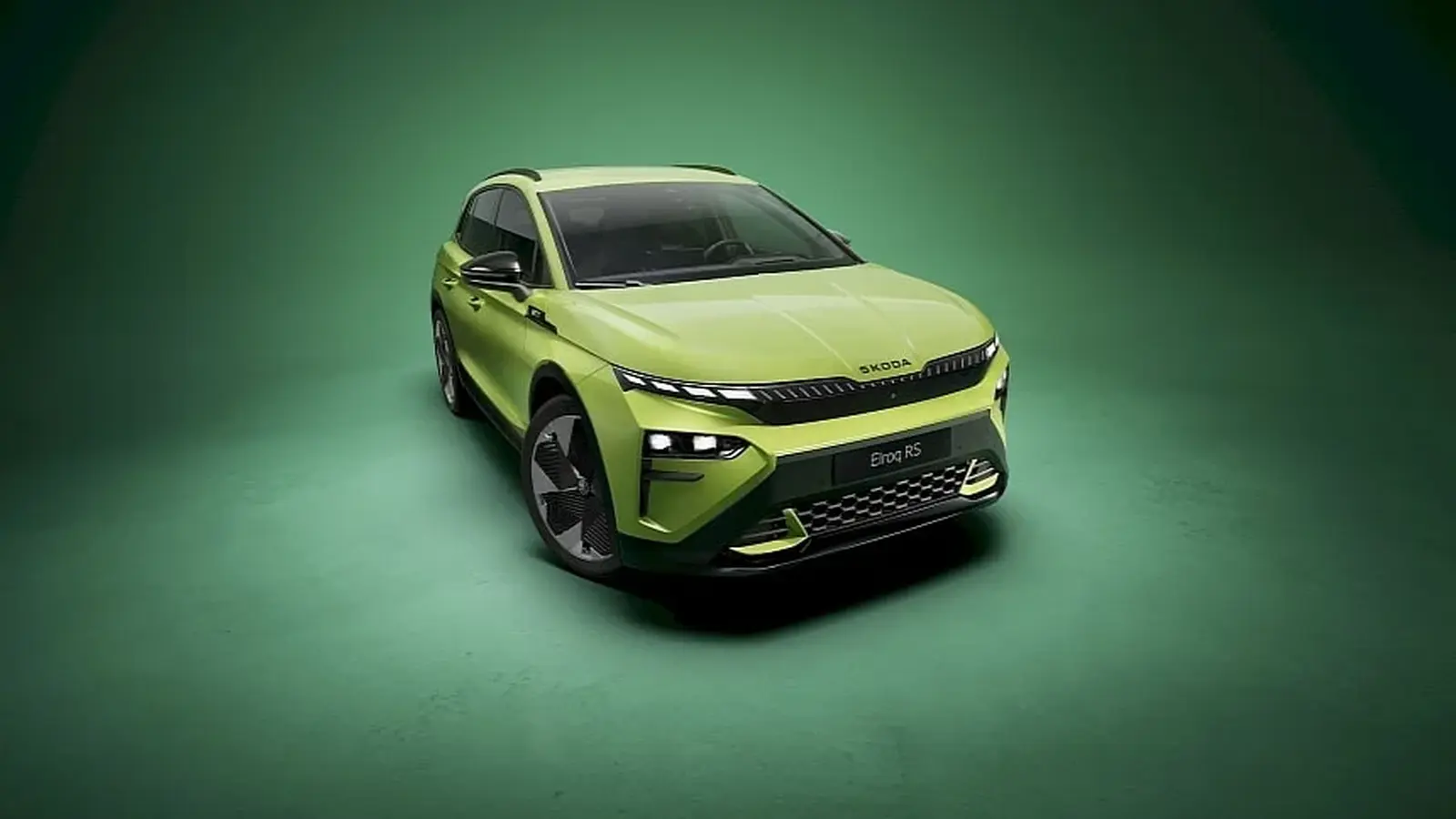
Brand performance was mixed. The Volkswagen passenger car brand saw a 10.9 percent dip in global sales and a 28.2 percent fall in its EV shipments. But Skoda emerged as the group's primary accelerator, delivering 555,700 vehicles in H1 and posting a remarkable 48.3 percent surge in battery-electric deliveries.

Skoda's Elroq deserves a moment. The model shifted 59,900 units in the half-year, outpacing the combined ID.4 and ID.5 tally of 53,700. A compact SUV with clear positioning and competitive pricing can still cut through noise — and customers noticed.
Other divisions felt the squeeze: Audi deliveries fell 7.2 percent, Porsche dropped 16.5 percent, Bentley slid 13.6 percent, and Lamborghini was down 4.6 percent. Luxury still sells, but volume pressures are widespread.

So what's the takeaway? Volkswagen Group isn't collapsing; it's recalibrating. Europe is the hot spot. China and the US need strategy adjustments, from product allocation to pricing and incentive navigation. Expect the next chapters to be about where the company doubles down and where it rethinks the playbook.


“I cover automotive innovation, electric vehicles, and the future of mobility — where technology meets sustainability.”

Discussion
Leave a Comment
Comments (2)
Europe carrying the load, Skoda killing it with the Elroq. Price + positioning win. US policy mess tho, VW needs better allocation, fast.
47.9% drop in China BEVs? Wow that sounds massive. Maybe incentives timing, or just model mix... but is dealership stock the real issue? kinda skeptical