
Walk into a Volkswagen factory in 2026 and you sense it before any number confirms it: quieter lines, fewer new parts on the floor, cautious faces at design desks. The company that built the Beetle, the Golf and a quarter of Europe's showroom has to do something big. Not cosmetic. Not incremental. A cull.
The pain has three clear roots. First came Dieselgate, the scandal that reshaped trust in Wolfsburg. It cost the group over €33 billion in fines, settlements and legal work, and it set off decisions that still limit the company today. Then China happened. Once a fortress of profit for VW, the market was overtaken by local brands that moved faster on cost, software and scale. And finally, policy pushed a rapid switch to electric vehicles. New EU rules and trade tensions elsewhere forced faster, costlier change than the group had budgeted for.

Why models are vanishing and what remains
2026 looks like the year of ruthless choices. Operating margins shrank to 2.8 percent in 2025 from 5.9 percent the year before. Plant closures are possible. Feature sets are being pared back. Headcount reductions already agreed sit at 50,000 and whispers grow of 100,000 more. The aim is blunt: fewer models, lower complexity, smaller bills for development and production.
That means brands and cars will be weighed by sales, margin and strategic fit. Some names will survive as symbols only. Others will be refreshed and streamlined. Here is how the story is likely to play out across the group.

Audi has been through early pruning. The A1 and Q2 are gone, the TT and R8 never returned. The challenge now is whether full-size icons like the A8 and niche choices like the A7 Sportback justify new generations. Audi's EV program is sturdier: the A6 e-tron and Q6 e-tron look healthy, while the e-tron GT, an underdog that never grabbed mass appeal, is unlikely to continue.
Volkswagen proper faces the sharpest haircut. The Touareg and Touran are already out. The T-Roc Cabriolet ends production in 2027. Electric models face scrutiny too: the ID.Buzz is on thin ice because of range limits and price, and the ID.5 coupe-SUV risks being redundant. Small combustion cars such as the Polo might not return in ICE form as VW leans into its ID family. Yet the Golf—especially in GTI and R variants—still carries cultural weight and should survive the immediate purge.
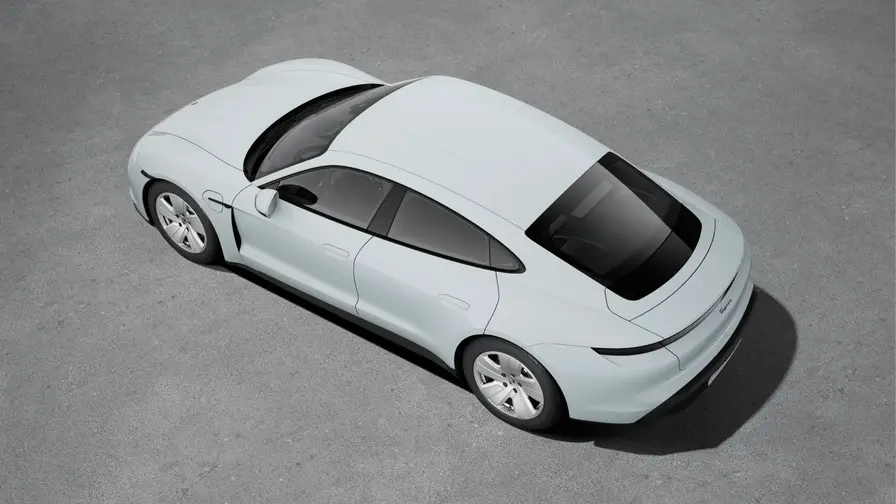

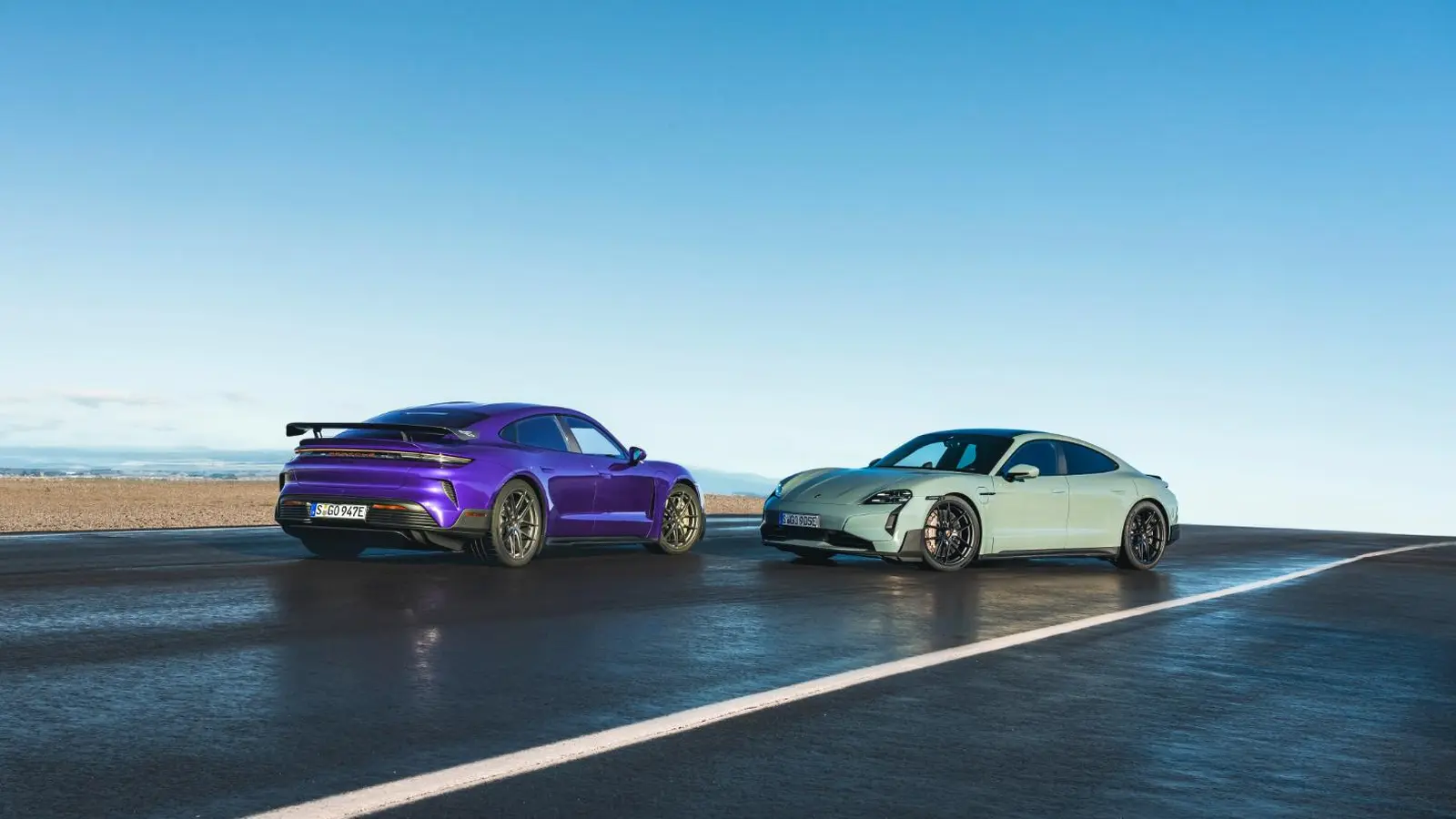
Porsche is an odd case. Once the cash engine of the group, it poured capital into EV-only platforms and bet on a rapid transition. The strategy hit headwinds in China and elsewhere, and profits tumbled in 2025. Stuttgart is trimming investments and staff. The 911 remains sacrosanct. Other ICE staples like the Cayenne and Panamera are vulnerable. On the EV side, Taycan and Macan electric models will remain, but the brand is shifting toward a narrower, higher-margin focus, closer to the boutique identity it had decades ago.
In Spain, Cupra is rising while SEAT struggles. Cupra's performance positioning has eclipsed SEAT in many markets. SEAT could risk becoming a lower-spec label unless it finds a sharper role. Skoda, by contrast, has been a commercial steady eddy; mainstream models like the Octavia and Karoq sell well enough to stay. A couple of slow sellers, perhaps the Scala or the Superb, might be trimmed.

At the top of the pyramid, Lamborghini, Bentley, Bugatti and Ducati are mostly sheltering from the worst of the cuts. Luxury brands will be asked to optimize options and powertrain choices rather than lose nameplates. Lamborghini canceled one EV project, but models such as the Urus, Revuelto and Temerario remain strong sellers. Bentley continues to deliver profits and will likely keep its lineup. Bugatti's future centers on limited-edition models and the Tourbillon series. Ducati remains valuable and for now looks set to stay under the group umbrella.

So what does this mean for drivers and dealers? Expect fewer body styles, more shared platforms across brands and a stricter focus on EVs where margins make sense. Some beloved models will disappear. Others will be reimagined or survive as halo products. The group is making a bet: simplify now to protect the chance to compete later. It is a high-risk pivot. But the alternative is a slow fade.
Volkswagen Group is shrinking its model menu to stay alive in a faster, tougher market.


“Cars are evolving faster than ever. I cover electric vehicles, smart mobility, and the future of transportation worldwide.”

Discussion
Leave a Comment
Comments (2)
Is this even true? 100k layoffs, models axed, sounds extreme. If that's real then... where's the plan? feels rushed
wow, harsh times for VW. If they kill the Polo and Golf variants, that's a real cultural loss. Hope they dont gut the GTI…