
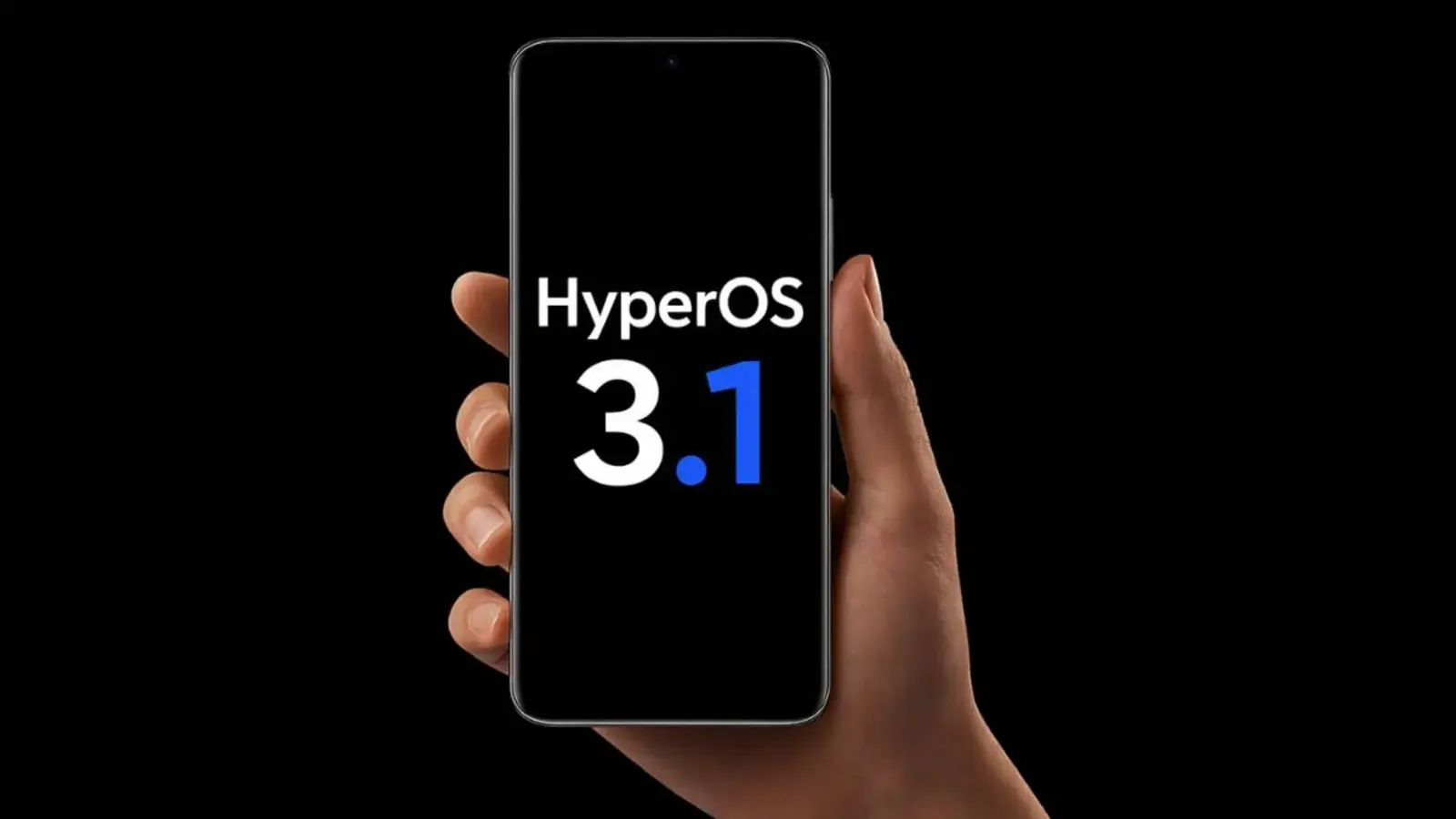
Imagine leaving your iPhone in your bag and taking a call on a Xiaomi tablet as if both devices were born to work together. It sounds like a small convenience, but small conveniences can change behavior.
At Mobile World Congress 2026 in Barcelona, Xiaomi is expected to unveil not only its Xiaomi 17 flagship but also HyperOS 3.1 — an update that insiders say will include a feature called iOS Bridge. This isn’t presented as a tweak. It’s framed as a software bridge meant to shrink the gap between Android and iOS experiences.
What does that bridge do in practice? Early reports point to incoming iPhone call notifications appearing on Xiaomi laptops, tablets and phones, letting users answer or manage calls without touching their handset. Think of it as a familiar continuity feature, but flipped: Apple-like convenience delivered to mixed-device households.
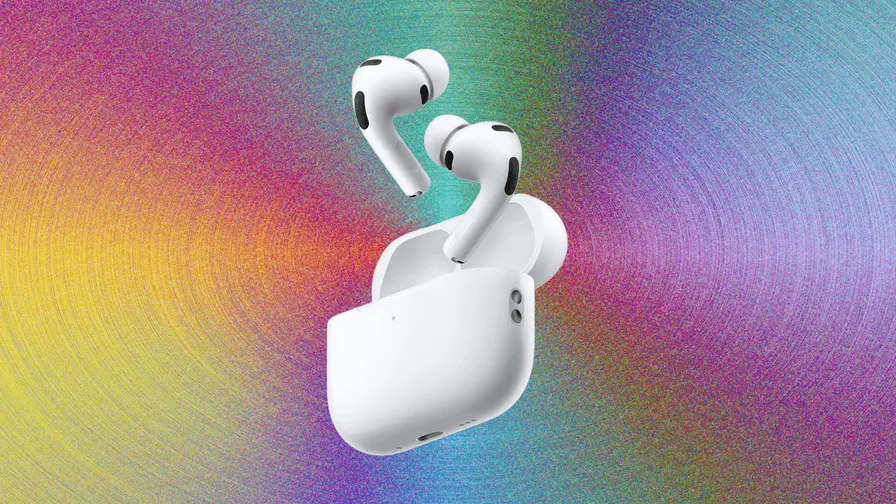
AirPods support is another headline. Xiaomi devices could show AirPods battery levels, playback controls and even spatial audio indicators — all the little signals that make wireless earbuds feel integrated. And for file sharing, HyperOS 3.1 reportedly aims to mimic AirDrop’s speed and fidelity, moving photos and videos between iPhone and Xiaomi hardware without the usual compression or hassle.

There’s a bigger strategic picture here. Xiaomi is targeting people who live in two ecosystems at once: an iPhone in one hand, an Android tablet or laptop in the other. By smoothing friction points — calls, headphones, quick transfers — the company can make that mixed setup feel intentionally designed rather than patched together.
That’s not to say it will be seamless overnight. Apple’s ecosystem is tightly controlled; some features may require cooperation from Apple or clever engineering workarounds. Security, permissions and stable cross-platform APIs will determine how widely and quickly these capabilities roll out. Expect phased releases and device compatibility lists rather than instant universal support.
This update could be the moment cross-platform living stops feeling like compromise and starts feeling like choice.
Whether you’re curious about device interoperability or just tired of toggling between apps and gadgets, HyperOS 3.1 promises something worth watching at MWC 2026 — and it may prompt a few users to rethink the convenience of platform loyalty.

“I love exploring gadgets, apps, and trends that redefine how we connect, work, and play in a digital world.”

Discussion
Leave a Comment
Comments
No comments yet. Be the first.