
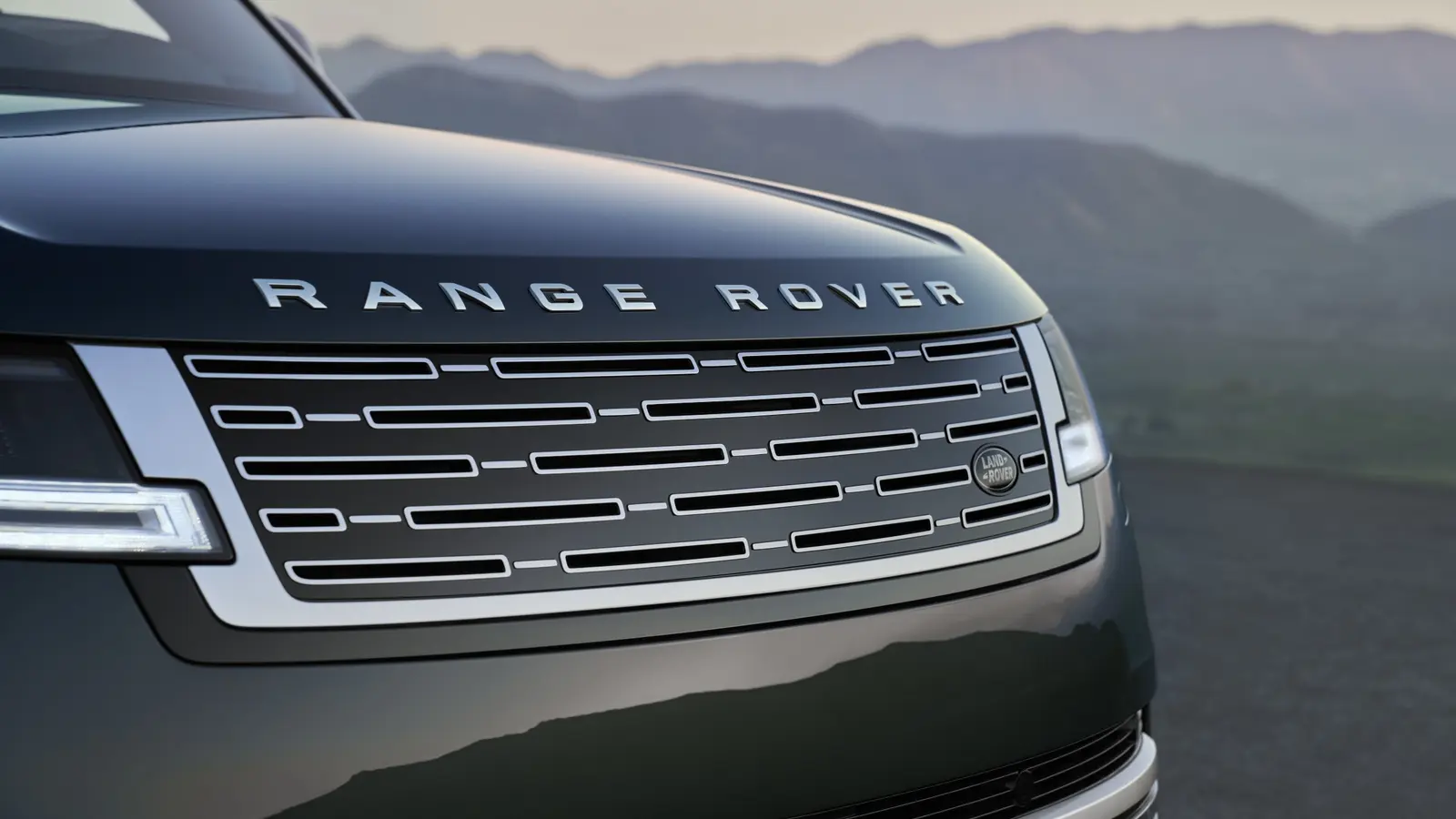
There are moments when an icon simply goes quiet. The new 2027 Range Rover Electric arrives like that: familiar silhouette, hushed presence, and a new electric heartbeat under the skin.
Still unmistakably Range Rover
Jaguar Land Rover kept the recipe intact. The aluminum-intensive architecture, sculpted surfacing and upright stance remain. But the package no longer needs a long exhaust or a gasoline engine down the middle. Instead, an 800-volt electrified system sits low in the floor, and two permanent-magnet motors—each rated at 260 kW—deliver what the press sheets call 542 mechanical horsepower and 850 Nm of torque. The result is brisk: 0 to 100 kph in 4.5 seconds.

Design changes are subtle on purpose. Aerodynamic tweaks to the grille, wheels and underbody improve highway efficiency without erasing the Range Rover’s identity. Prototypes required almost no camouflage. That says something: this is Range Rover first, electric second, and the styling team appears to have won that argument.
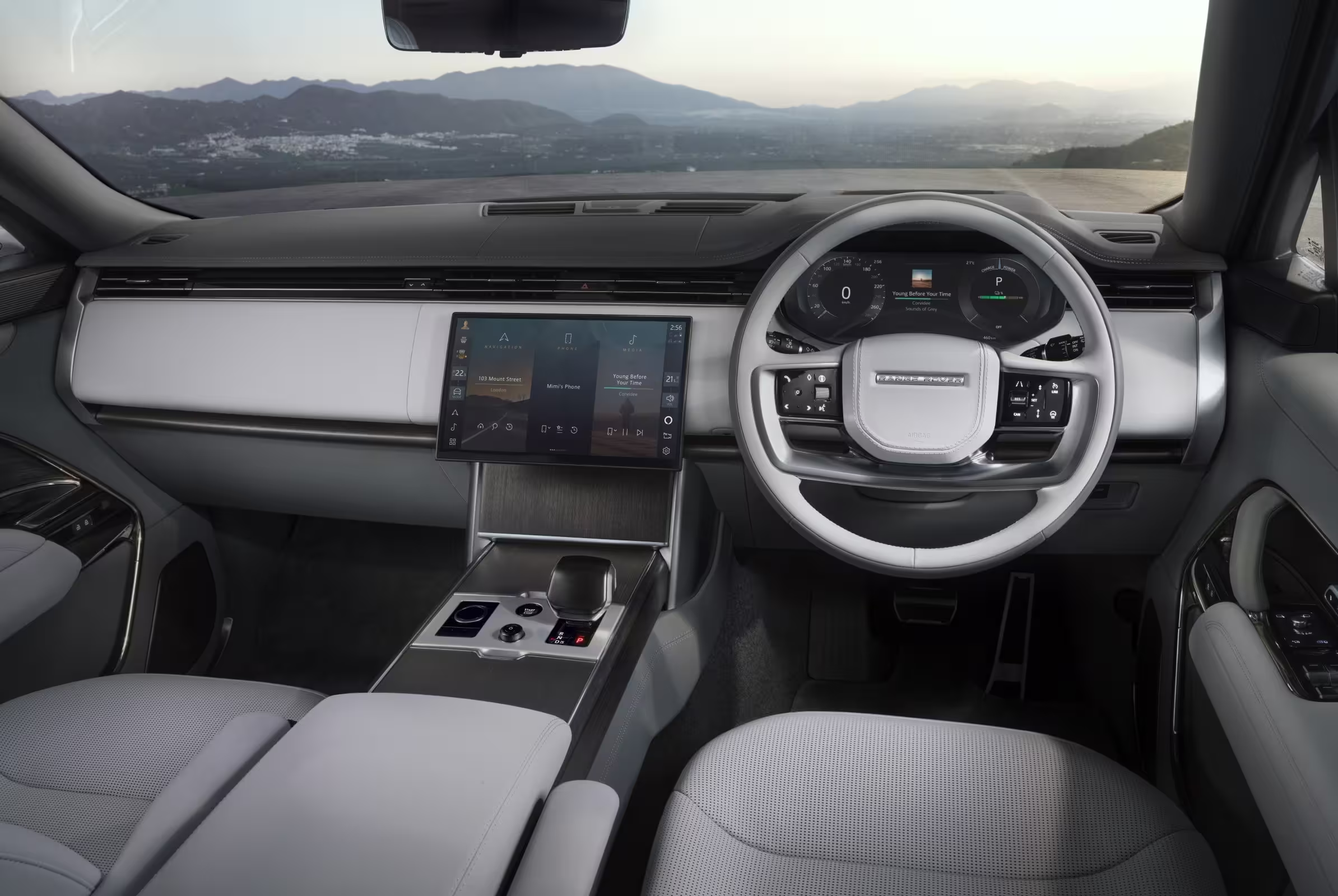
The cabin follows the same philosophy. No futuristic living-room gimmicks. No flat-floor reinvention. The high-voltage battery sits beneath the seats and the rear drive unit occupies the space a differential would, preserving luggage space and the familiar interior layout. The payoff is a quiet, insulated cocoon—exactly what most Range Rover buyers expect.

Tech points are practical. An app lets owners check charge status, schedule charging, start cabin purification and even warm the steering wheel remotely. Traction systems respond in about 50 milliseconds according to JLR, and a single-pedal mode offers Coast, Light and Heavy regen settings, with Heavy recovering as much as 0.5 g of deceleration energy back into the pack. Off-roading remains credible too; the EV can wade to 900 millimeters and retains strong approach and departure geometry.
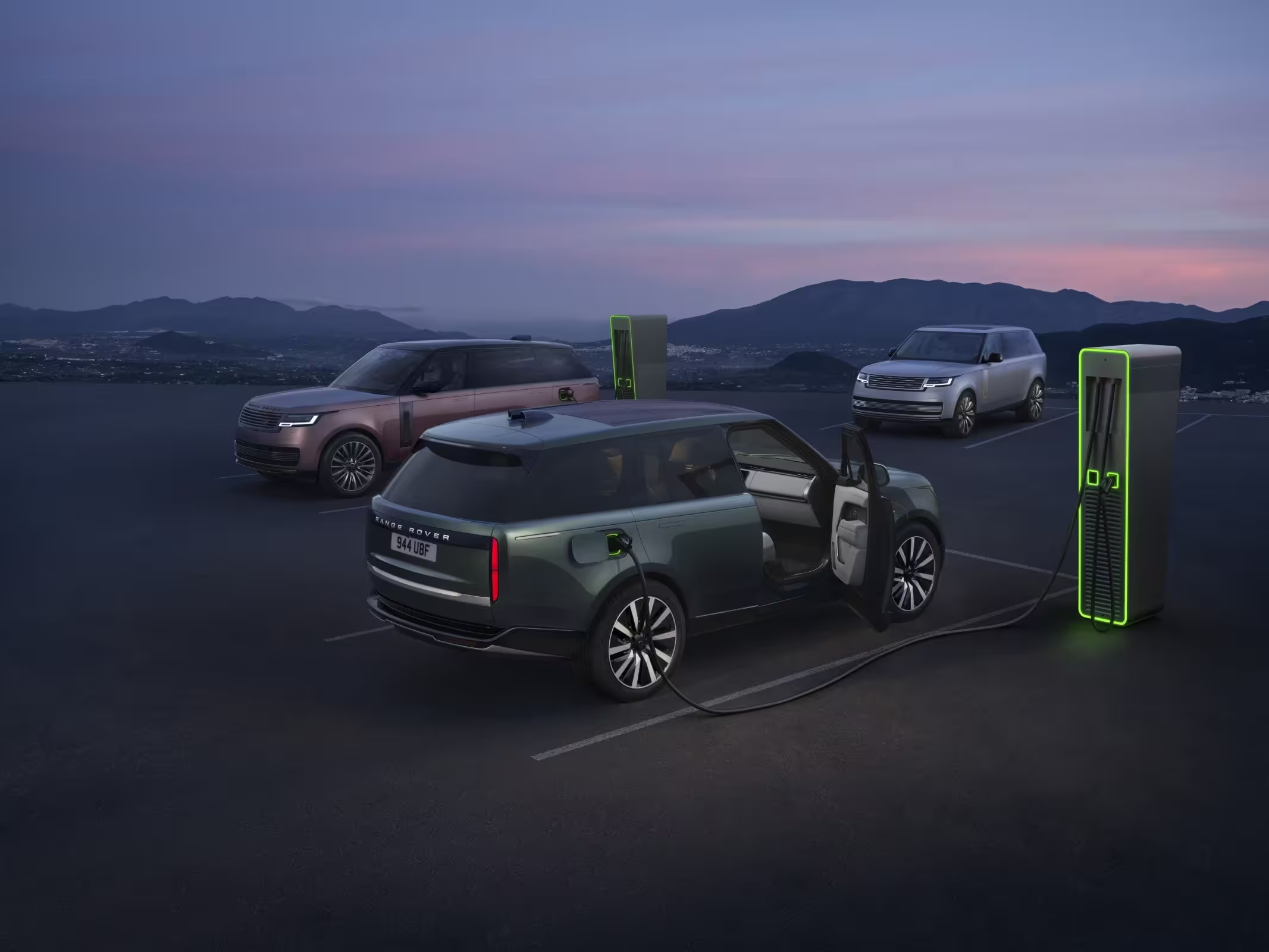
Under the hood you will find an 118.5 kWh usable lithium-ion battery made from 344 prismatic cells, silicon-carbide semiconductors in the drive inverters and a claimed WLTP TEL range of 600 kilometers, which is roughly 373 miles. Real-world WLTP figures sit around 535 kilometers, while the EPA number quoted stands at 333 miles. Fast charging tops out at 350 kW, taking the battery from 10 to 80 percent in about 22 minutes. Ten minutes on a DC charger can add up to 220 kilometers of WLTP range.

Practical performance, refined delivery. Twin motor all-wheel drive, twin-chamber air suspension, a lower center of gravity than the V6 and V8 models, and a ThermAssist heat-management system aim to keep battery temperatures stable in extreme conditions, preserving range and longevity while reducing cabin heating energy draw.

Pricing sits solidly in the luxury bracket. The base EV550 starts at about €181,800 in the UK equivalent, roughly €164,200 for the US market equivalent, and is listed at €163,500 in Germany. Ordering is open now.
Who does it face? Very few direct rivals mirror Range Rover’s mix of opulence and off-road promise in pure-electric form. You can point to the Mercedes EQS SUV family and G-Class with EQ tech, the Lotus Eletre, Rivian R1S and Lucid Gravity as alternatives, but each takes a different angle. For buyers who want a classic Range Rover experience without the engine noise, this EV is a logical next step.
One caveat: JLR hasn’t confirmed a three-row variant. For now, this is a two-row statement, polished for those who prefer tradition wrapped in electric refinement.

“I cover automotive innovation, electric vehicles, and the future of mobility — where technology meets sustainability.”

Discussion
Leave a Comment
Comments (2)
600 km WLTP sounds great but EPA 333 miles.. which is it in real life? Also where's the 3-row option, serious buyers gonna ask. Charging 22 min ok?
Honestly, it feels like Range Rover kept the soul, just swapped the roar for silence. 4.5s is wild, but that price tho...