
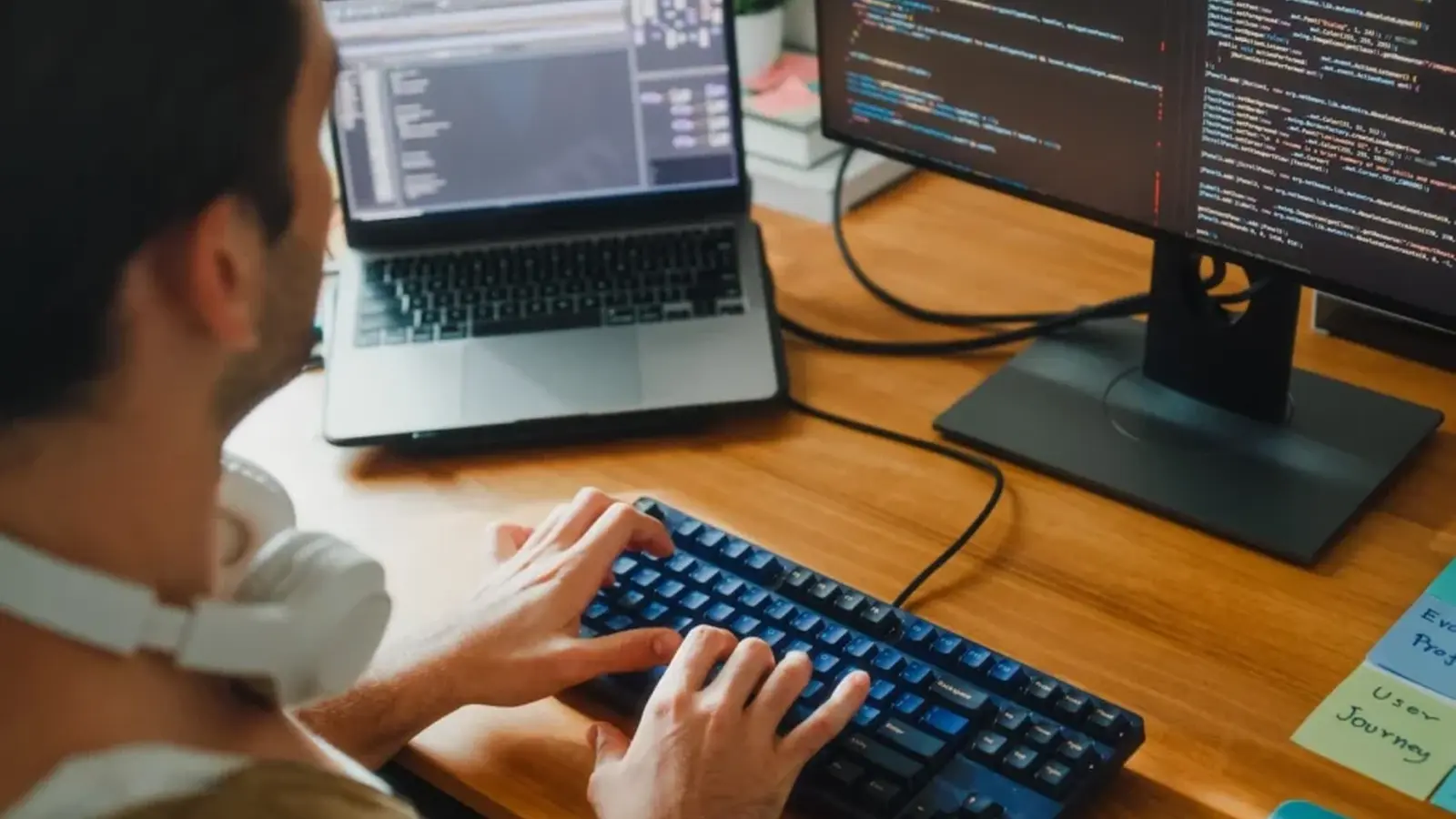
The promise of artificial intelligence as a time-saver is colliding with a quieter reality: employees who use AI at work appear to be working longer days. A new analysis of digital behavior suggests that the convenience of AI tools may be nudging people to accept more tasks, switch apps more often, and spend extra minutes cleaning up machine-generated content.
Researchers at ActivTrak, a company that produces workplace productivity software, examined the digital activity of more than 9,000 employees across 467 companies from April through September. Their headline numbers are blunt. Workers who used AI had average workdays between 8.4 and 9.1 hours. Peers who didn’t use AI averaged 7.6 hours. That’s nearly an hour more at the desk for some AI users.
A surprising cost of faster tools
The pattern persists among heavy AI adopters. Employees who launched AI tools at least five times daily and logged more than 45 minutes of usage tended to continue working about 18 minutes after standard office hours, compared with non-AI users. They also hopped between apps more frequently and recorded shorter spans of uninterrupted focus.
"AI may help people finish tasks faster, but our research shows it is linked to longer workdays, more app switching, and shorter focus periods," said the head of ActivTrak’s Productivity Lab in a press statement. The sentence is simple, but the implication is complex: a tool that accelerates specific steps can still stretch overall labor time when it changes expectations or workflows.
Several explanations fit the data. One possibility is selection bias: employees who already work long hours may be the first to reach for AI as a productivity aid. Another is a workload effect: faster task completion can lower the perceived cost of taking on additional assignments. A third, practical factor is editing. Machine-generated drafts often require careful review and correction, and that cleanup can offset time saved in composition or analysis.

What employers and researchers should watch
This study sits at the intersection of behavioral science, human factors, and data analytics. It speaks to cognitive load and attention fragmentation—topics familiar to ergonomists and organizational psychologists. Short, frequent context switches reduce deep work and raise the mental overhead required to reorient. In other words, AI may shorten individual task time while increasing the total amount of time people must spend managing work.
The findings also complicate optimistic forecasts from some technology leaders who have suggested AI could shrink workweeks or give people more leisure. Bill Gates and Jensen Huang have both speculated that automation could shorten the workweek. These new observations do not disprove that possibility; they do, however, indicate that technology alone won’t ensure shorter hours. Incentives matter. So do corporate policies on workload, performance metrics, and after-hours expectations.
Practical steps for organizations include monitoring not just output but employee experience, redesigning workflows to limit unnecessary app-switching, and investing in training so staff can use AI more efficiently. Employers might also pilot policies that cap after-hours work or encourage single-task blocks to preserve deep-focus time. From a research perspective, longitudinal studies that track individual workers before and after AI adoption would help untangle cause and effect.
AI is reshaping how work gets done. The tools are powerful. The human systems around those tools determine whether they liberate time or simply redistribute effort. The ActivTrak analysis raises a straightforward question for managers, technologists, and policy makers: if faster tools are producing longer days, what changes will actually deliver the shorter, more humane workweeks many have promised?


“My work centers on sustainability, energy, and environmental science — examining how innovation can lead to a greener future.”

Discussion
Leave a Comment
Comments (2)
Ive seen this in my job, AI spits out drafts fast but I end up fixing stuff after dinner, so yeah longer days. Training helps, but bosses gotta set limits.
Is this even true? AI saves steps but employers push more tasks on people... feels like automation turned into an expectation machine. Anyone else?