
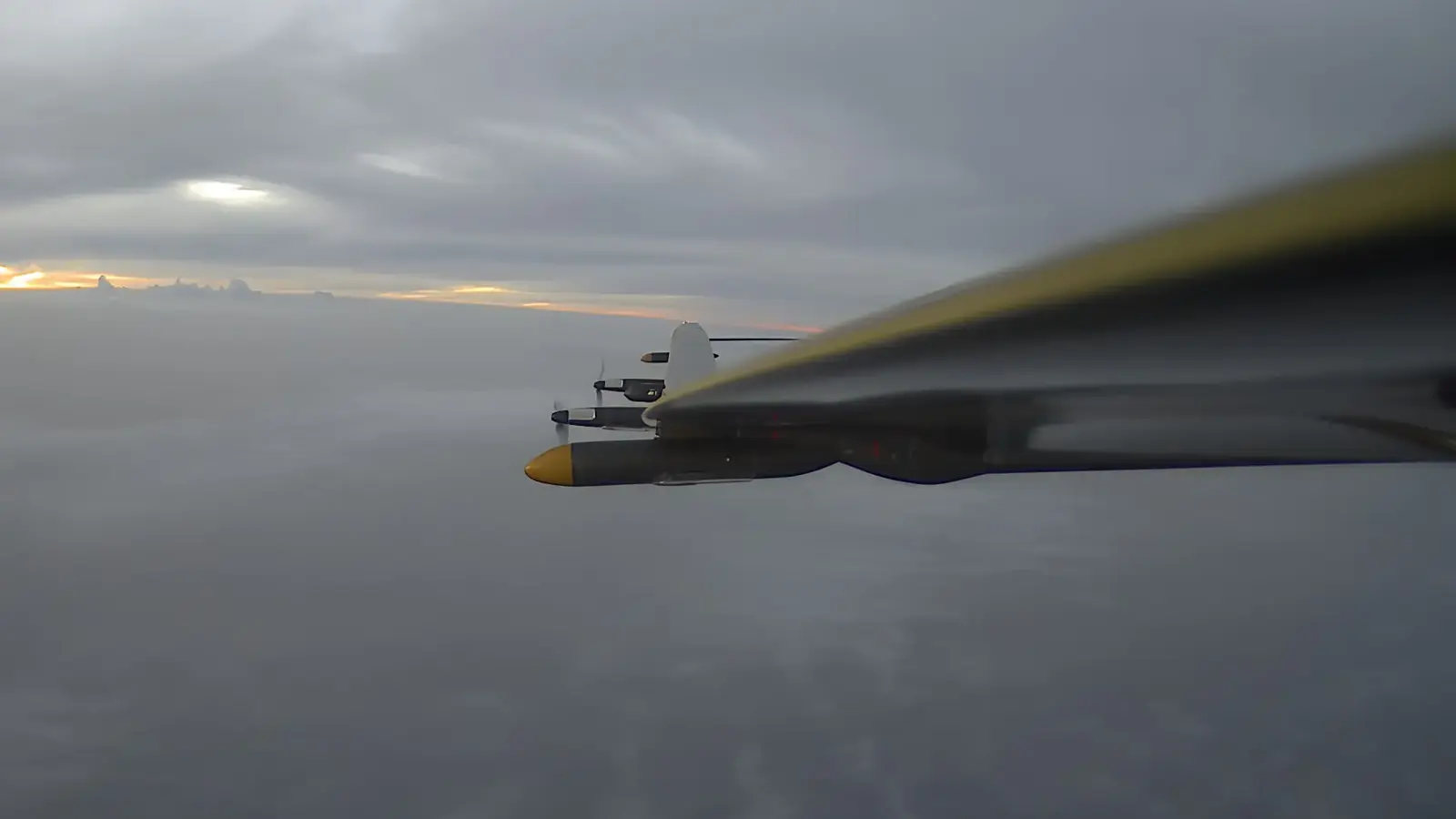
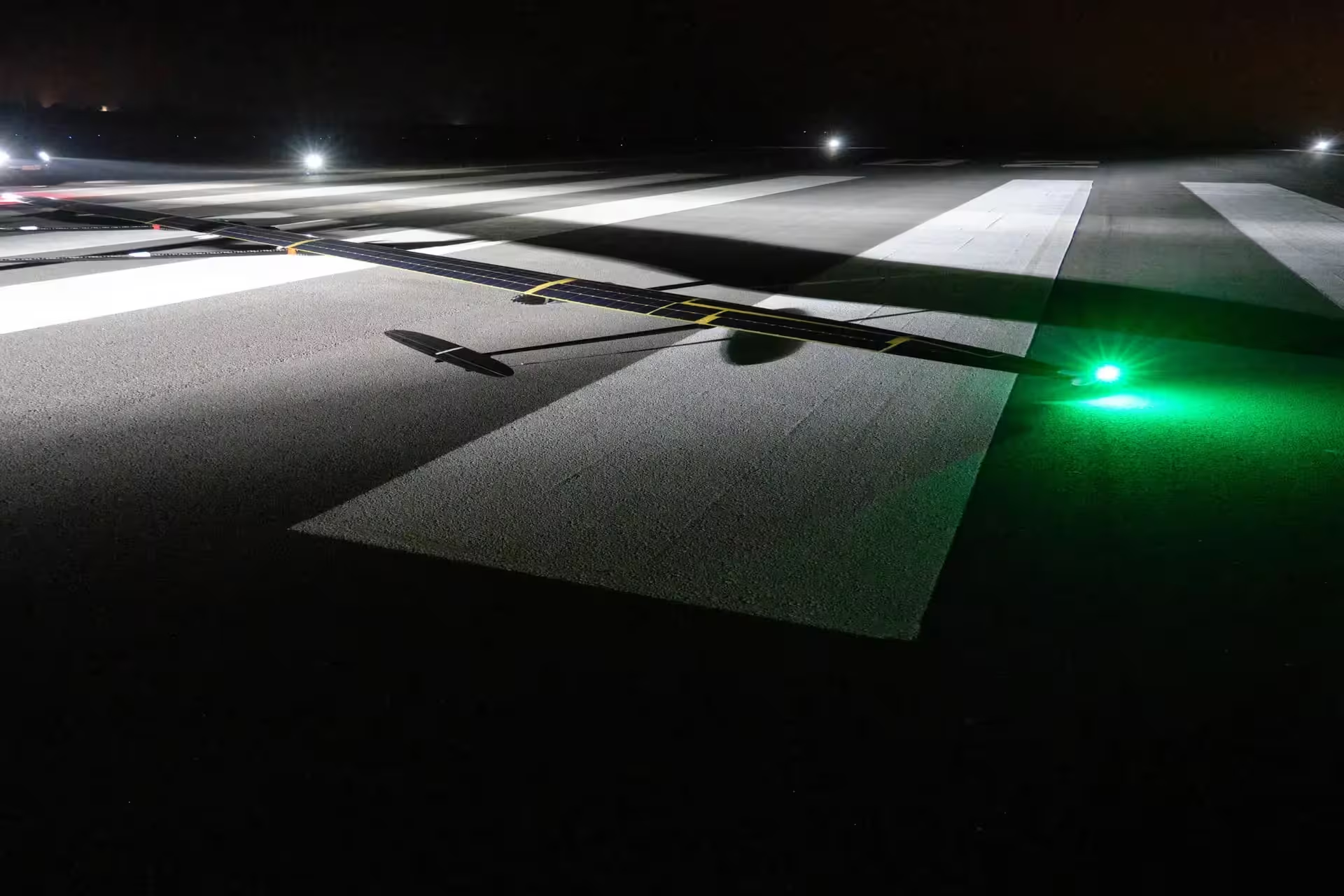
A slender, 18‑metre wingspan aircraft drifted into the stratosphere and refused to come down. It climbed to 14,500 metres, spent more than 80 hours aloft and kept sending live imagery back to shore. That aircraft is Apos‑Neo, a solar-powered unmanned plane whose latest flights over the Canary Islands are shifting the conversation about long-endurance surveillance from theory to practice.
Flight milestones and what they mean
On 16 October, Apos‑Neo lifted off from the Stratopuert base inside the Fuerteventura technology park and stayed airborne for 29 hours in a single sortie coordinated with Spanish air navigation authorities. Previous trials in September logged 29 and 52 continuous hours, while an early-November mission exceeded 80 hours. UAVOS, the manufacturer, now targets a continuous 100‑hour flight.
These numbers matter because endurance multiplies usefulness. Short overflights give snapshots. Long loitering builds persistent awareness — crucial when the threat to life and landscape is a wildfire spreading across islands or rugged terrain. Apos‑Neo is being developed specifically to detect and monitor summer wildfires across the Canary archipelago, where repeated blazes present a major seasonal risk.
How a solar drone keeps flying through night
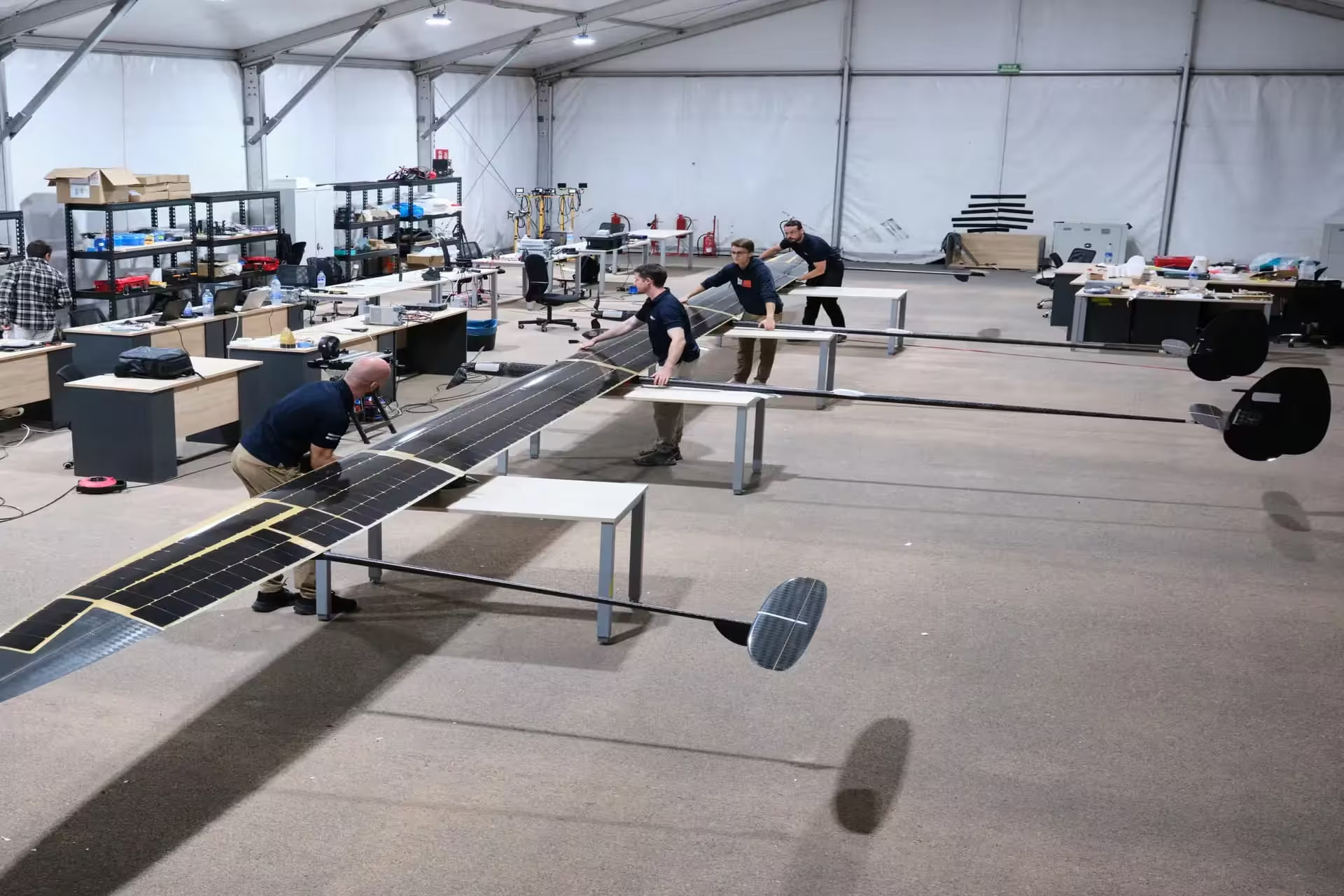
There is nothing mystical behind the endurance. Solar panels mounted along the wing produce electricity during daylight to run electric motors and to recharge on‑board batteries. After sunset, the plane switches to stored energy and rides out the night until the next sunrise and the cycle begins again. In ideal sunlight and temperature conditions, that loop can permit flights measured in days rather than hours.
Design choices are part of the endurance story. Apos‑Neo is a refined descendant of a 2018 prototype called Apos‑Duo. The newer layout removes a rear stabilising wing and lengthens the main wing to improve lift and efficiency. Maximum takeoff weight reaches about 47 kilograms, and a strengthened variant can carry roughly 3.4 kilograms of payload — enough for a high-resolution camera and infrared sensors used in recent tests.
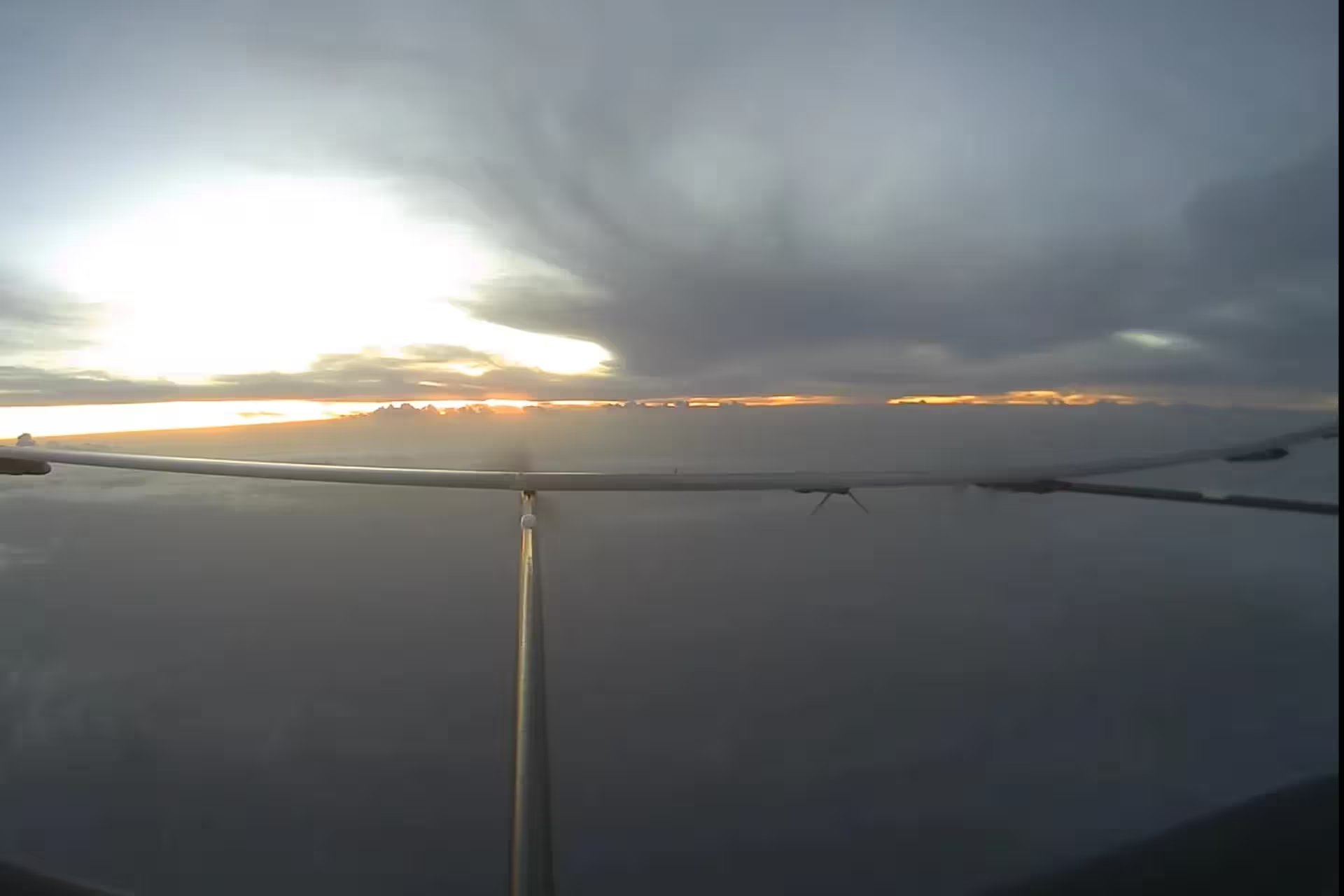
During the October sortie the aircraft carried a payload for earth observation: a high-resolution camera paired with infrared sensors that streamed live images to a ground station. Infrared matters here because it detects heat signatures rather than relying solely on smoke plumes, so fires can be identified earlier and tracked through obscured or low-visibility conditions.
Where Apos‑Neo sits in the HAPS landscape
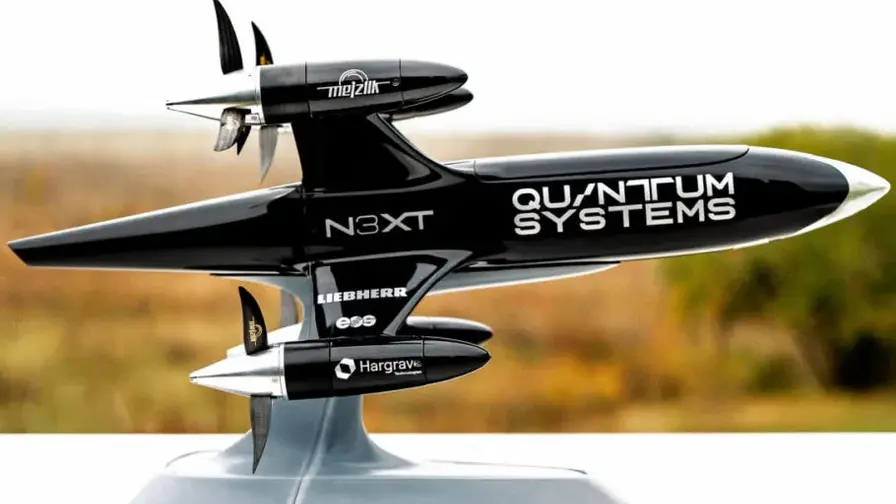
Engineers and emergency managers often compare long‑endurance solar drones with high‑altitude platform stations, commonly abbreviated HAPS. The International Telecommunication Union defines HAPS as operating between 20 and 50 kilometres altitude. Apos‑Neo has reached the lower stratosphere but has not yet hit the 20‑kilometre threshold that would place it within the official HAPS band.
For context, Airbus’s Zephyr solar drone has flown above 23,000 metres and logged record-setting continuous flights measured in weeks. Those achievements show what is technically possible. Apos‑Neo, by contrast, is carving a useful niche: lower-altitude, persistent observation dedicated to environmental monitoring and wildfire detection over populated island chains.
Operational challenges and the seasonality problem
Endurance is limited by the length of the day. Winter’s short daylight window reduces daily solar input, shrinking the margin for battery recharge. Temperature swings at high altitude affect battery performance. Both factors complicate year‑round operations and force engineers to balance wing area, battery mass and payload capability.
There are also regulatory and airspace coordination hurdles. Flying in national airspace at stratospheric altitudes requires precise coordination with civil aviation authorities, as demonstrated by the Spanish authorities’ involvement in the October mission. Still, hovering for days above one region—rather than minutes that a satellite affords—offers emergency responders continuous situational awareness and speeds decision-making.
Expert Insight
"Persistent sensing from solar platforms changes how we fight wildfires," says Dr. Maria Alvarez, a wildfire systems specialist who has worked with European emergency services. "Satellites give coverage at intervals, helicopters and crew provide local response, but a solar drone that can loiter for days bridges those gaps. Early detection, paired with live infrared feeds, can shave critical hours off response time."
Dr. Alvarez adds a caveat: "Technical performance must meet operational needs. That means reliable night endurance, robust data links and the ability to operate in winter light conditions. If those are solved, Apos‑Neo-style platforms will be transformative for island and coastal regions."
Conclusion
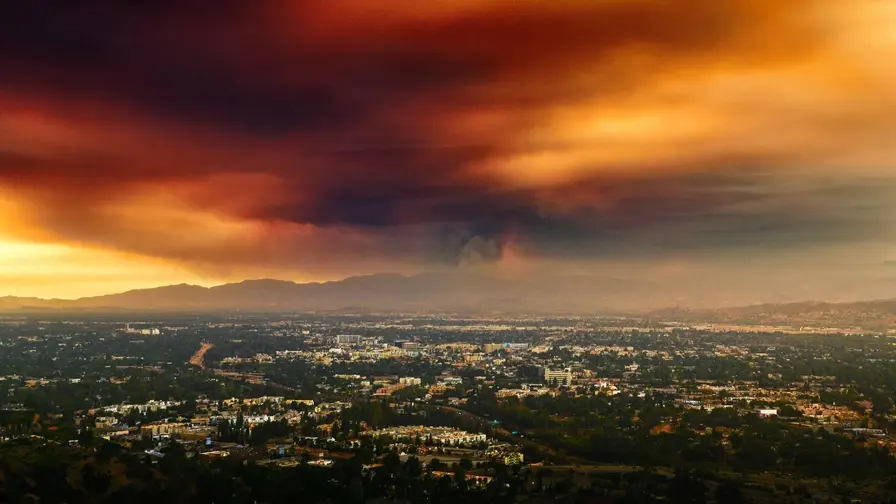
Apos‑Neo’s recent series of flights demonstrates progress rather than perfection. The aircraft has proven long endurance, a practical payload for thermal imaging, and an operational focus on wildfire surveillance for the Canary Islands. It has not yet reached the canonical HAPS altitudes, nor does it solve seasonality constraints. Even so, sustained flights beyond 80 hours bring the idea of persistent, low-cost aerial monitoring closer to everyday practice. For communities at risk from wildfires, that capability could mean earlier warnings, better situational awareness and faster, more effective responses.

“My work centers on sustainability, energy, and environmental science — examining how innovation can lead to a greener future.”

Discussion
Leave a Comment
Comments (1)
That's wild, solar plane up 80+ hrs! If batteries hold in winter tho... curious how regs handled it, airspace stuff??