
Relief that does not cost your microbiome. That is the promise scientists at Edith Cowan University in Australia tested when they put a new fiber blend into people already following a low-FODMAP diet. The result: measurable shifts in gut bacteria and a surprising stability in symptoms that often derail similar interventions.
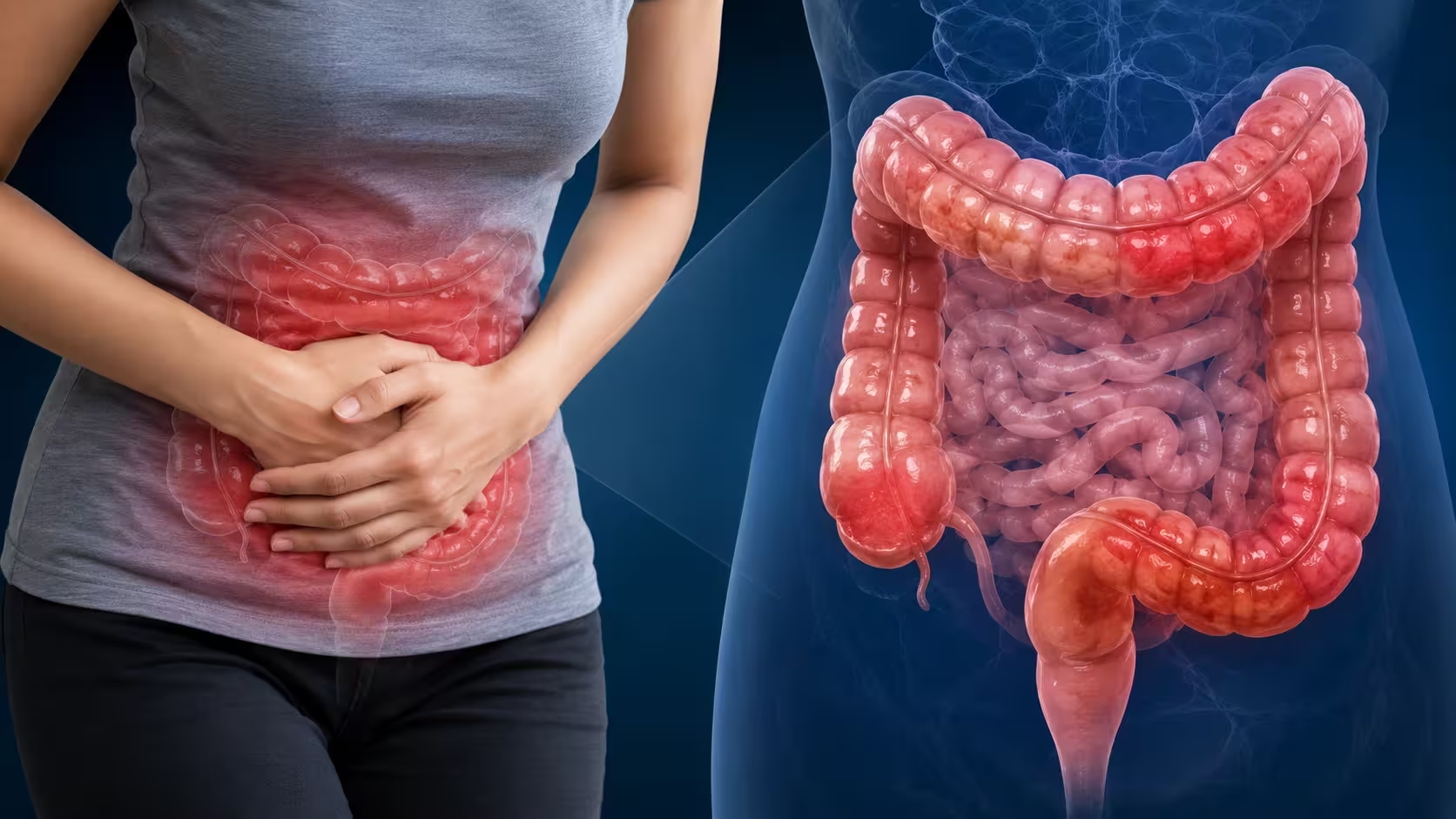
Irritable bowel syndrome (IBS) is a common gastrointestinal disorder that affects how the intestines function. It can cause abdominal pain, bloating, gas, diarrhea, and constipation, with symptoms varying from person to person.
People with IBS often find themselves caught between two choices. Cut out fermentable carbohydrates and you may stop the bloating and the pain. But do that for long and you may also remove key food sources for beneficial gut microbes, shrinking microbial diversity and reducing long-term resilience. Is there a middle path?
Testing a targeted solution in a tricky setting
Researchers at the Nutrition and Health Innovation Research Institute at Edith Cowan University formulated a supplement called ur gut. It pairs high-amylose maize resistant starch with psyllium husk powder. Each ingredient has a track record: resistant starch resists digestion in the small intestine, reaching the colon where microbes ferment it; psyllium is a viscous fiber that can regulate transit and influence fermentation dynamics. Put together, the idea was to feed beneficial bacteria without provoking the gas and discomfort that often follow fermentable fibers in people with IBS.
The trial itself was small and pragmatic. Participants were people already using a low-FODMAP approach to control symptoms. Adding fiber in that context is delicate. Fermentable substrates can trigger gas production quickly, and gas triggers pain for many with IBS. The team monitored symptoms such as abdominal pain, bloating, diarrhea, and constipation while sampling participants' gut microbiota before and after the intervention.
Results were notable for two reasons. First, the fiber blend altered the composition of gut bacteria in meaningful ways over a relatively short period. Second, these microbiome changes occurred without a worsening of core IBS symptoms. As Dr Tina Yan, lead author on the study, put it, 'We wanted a way to support gut health while people follow a low-FODMAP diet. The findings show we can change the microbiome without making symptoms worse.'
How two fibers appear to work together
The mechanism is elegant in its simplicity. Resistant starch behaves like a time-release meal for colon microbes, passing through the small intestine intact and providing substrate for fermentation deeper in the colon. Psyllium changes the physical environment. Its gel-forming properties slow fermentation and may reduce rapid gas spikes. Combined, they appear to encourage bacteria to produce beneficial metabolites while limiting sudden overproduction of gas.
Why this matters
- Metabolite production: Short-chain fatty acids and other microbial products support gut barrier function and modulate inflammation and brain-gut signaling.
- Microbial balance: The blend supported bacteria linked to both digestive health and lower gut-related anxiety, a symptom cluster many people with IBS experience.
- Symptom stability: Crucially, participants did not report increased pain or bloating, which is the main barrier to using fermentable fibers in this population.
Professor Amanda Devine, a co-creator of the blend, noted that changes of this magnitude are rarely seen from a short intervention. She emphasized that targeted nutrition can be used to rebuild the microbiome even when people need to avoid common fermentable foods.
Expert Insight
To put the study in perspective, Dr Elena Morales, a gastroenterologist and clinical researcher not involved with the trial, said: 'This work is promising because it tackles a real clinical trade-off. Patients want symptom control, but they also want their long-term gut health protected. The combination of a slowly fermentable starch with a moderating fiber like psyllium is a sensible approach. Larger trials will tell us whether these changes translate into sustained health benefits.'
The investigators themselves caution that the trial was small and short. That matters. Microbiome science is sensitive to many variables including diet, medication, and lifestyle. Still, the study provides a proof of principle: you can selectively feed beneficial microbes while keeping symptom flare-ups at bay.
Conclusion
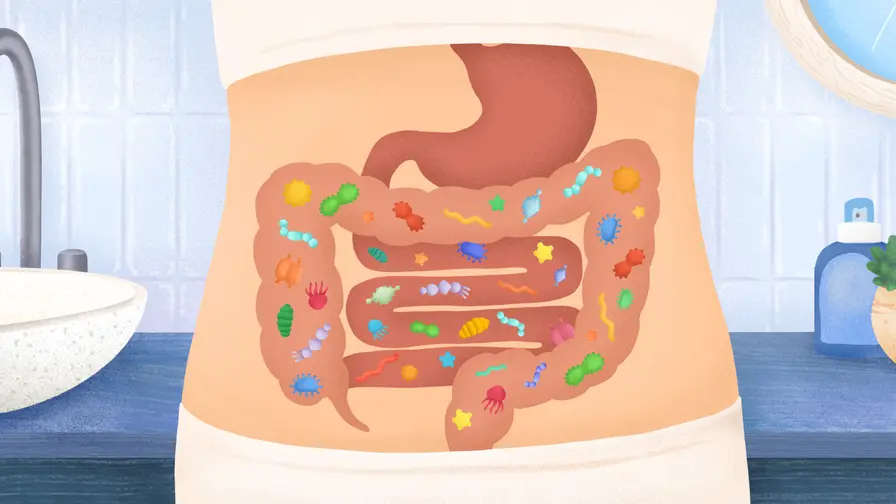
For millions living with IBS, the low-FODMAP diet remains a useful tool. This trial suggests it might be possible to add a carefully composed fiber supplement to that strategy, restoring microbial support without triggering the very symptoms people try to avoid. The next steps are larger, longer trials that measure clinical outcomes and metabolic changes over months rather than weeks. If those confirm the early signal, clinicians will have a new, evidence-based option to recommend: not just what to avoid, but what to add back.

“My work centers on sustainability, energy, and environmental science — examining how innovation can lead to a greener future.”

Discussion
Leave a Comment
Comments
No comments yet. Be the first.