

Two days after a grueling training session, some mice still carried a chemical signature in their brains that refused to fade. Elevated dopamine lingered in the hippocampus, a region tied to memory and emotional balance. The signal did not match the pattern researchers expected from a single bout of exhaustion.
While regular exercise supports physical and mental health, excessive training without adequate recovery can have the opposite effect. Overtraining can lead to persistent fatigue, declining performance, muscle pain, sleep disturbances, and hormonal changes.
A chemical echo that won't fade
Scientists at the University of São Paulo reported that mice subjected to weeks of progressively intense treadmill sessions displayed elevated dopamine in the hippocampus even 48 hours after a final performance test. A single exhausting run produced a temporary spike in dopamine, which subsided as expected. But chronic overload left the brain in a different state, with dopamine and the enzyme tyrosine hydroxylase, which helps make dopamine, remaining high during an intended recovery window.
Why does this matter? Dopamine is a key regulator of motivation, reward processing, and wakefulness. Those are not mere academic functions when we talk about athletes or anyone who trains hard. If regulation of dopamine is altered during periods meant for rest, the brain and body may fail to switch into recovery mode. That could affect sleep, mood, and the ability to bounce back physically.
How the mice were pushed
The team compared two exercise protocols. One group of mice ran until exhaustion once. Another group underwent an eight week regimen of increasingly demanding sessions, designed to model the physiology of overtraining. In the final week, the heavily trained mice worked twice a day with only four hours between sessions. After the last performance test, researchers sampled the hippocampus and measured levels of dopamine, serotonin, and proteins that control neurotransmitter production.
Key measurements and unexpected gaps
Results were clear on dopamine. The chronically trained animals held higher dopamine and increased tyrosine hydroxylase levels during the recovery period. By contrast, serotonin showed no significant changes. Serotonin has long been suspected in exercise-induced fatigue, but these data suggest the neurochemical footprint of excessive training is not explained by serotonin alone. In short, something distinct is happening with dopamine pathways.
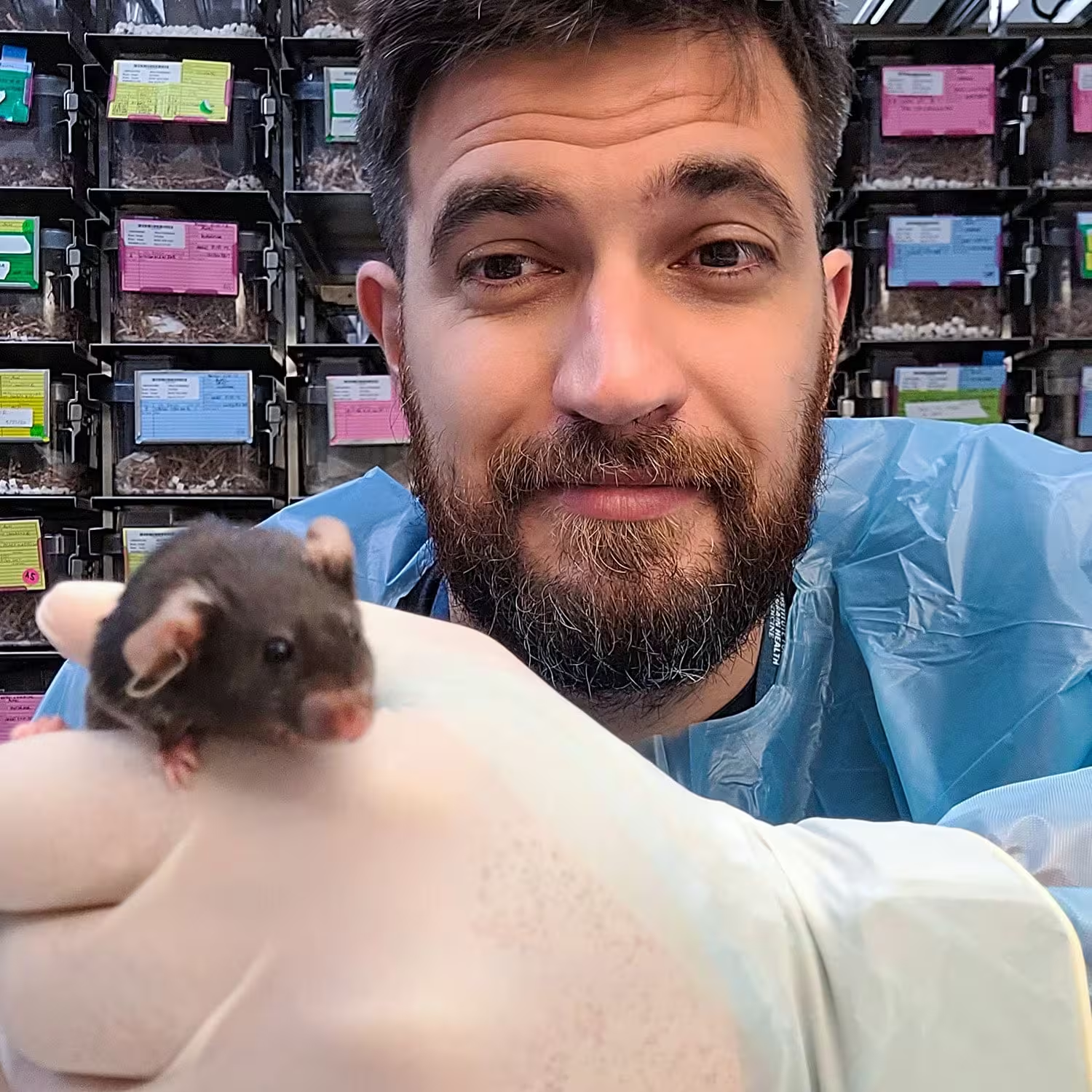
Researcher Alisson Luiz da Rocha in the laboratory: protocol with animals provides important information on exaggerated physical exercise in humans.
Why athletes, coaches, and clinicians should pay attention
Overtraining syndrome is not just a drop in race times. It is a constellation of symptoms: chronic fatigue, persistent muscle pain, loss of appetite, more injuries, and sometimes immune and metabolic shifts. The Brazilian team behind this study proposes that altered brain signaling, including sustained dopamine elevations, could be part of the story. That offers a new angle on familiar complaints: sleep disruption, ongoing tiredness, and anxiety-like signs observed in overtrained individuals.
But caution is essential. The study did not directly measure sleep quality, anxiety, or cognitive changes in the mice. Nor can we assume a straightforward translation from mice to humans. Still, the findings frame fresh hypotheses for sports medicine and neuroscience. Could repeated high-intensity sessions without sufficient recovery nudge the brain into a state of persistent arousal? If so, standard recovery prescriptions might need adjustment.
Practical takeaways for training and research
- Intensity and volume matter. Short-term exhaustion and long-term overload produce different neurochemical responses.
- Recovery windows are biological, not arbitrary. Forty-eight hours may not restore brain chemistry after extreme chronic stress.
- Multidisciplinary monitoring is wise. Tracking subjective fatigue, sleep metrics, hormonal markers, and behavior could reveal early signs of maladaptation.
Excessive training can alter brain chemistry in ways that may impede proper recovery.
Expert Insight
"These results remind us that the brain is an active player in training adaptation, not a passive observer," says Dr. Lara Mendes, a fictional sports neuroscientist with experience advising elite endurance programs. "When dopamine regulation is disrupted, athletes can feel wired and exhausted at the same time. Coaches should treat recovery as central to training design, and researchers need to map which neural circuits flip first under chronic load."
Conclusion
The study from São Paulo adds a nuanced layer to how we understand overtraining. It shifts some attention from muscles and hormones back to the brain, highlighting dopamine as a potential mediator of persistent fatigue and disrupted recovery. Future work, including human studies and sleep assessments, will be necessary to determine whether the same chemical echoes appear in people who train too hard, and if so, how best to detect and reverse them.

“My work centers on sustainability, energy, and environmental science — examining how innovation can lead to a greener future.”

Discussion
Leave a Comment
Comments
No comments yet. Be the first.