
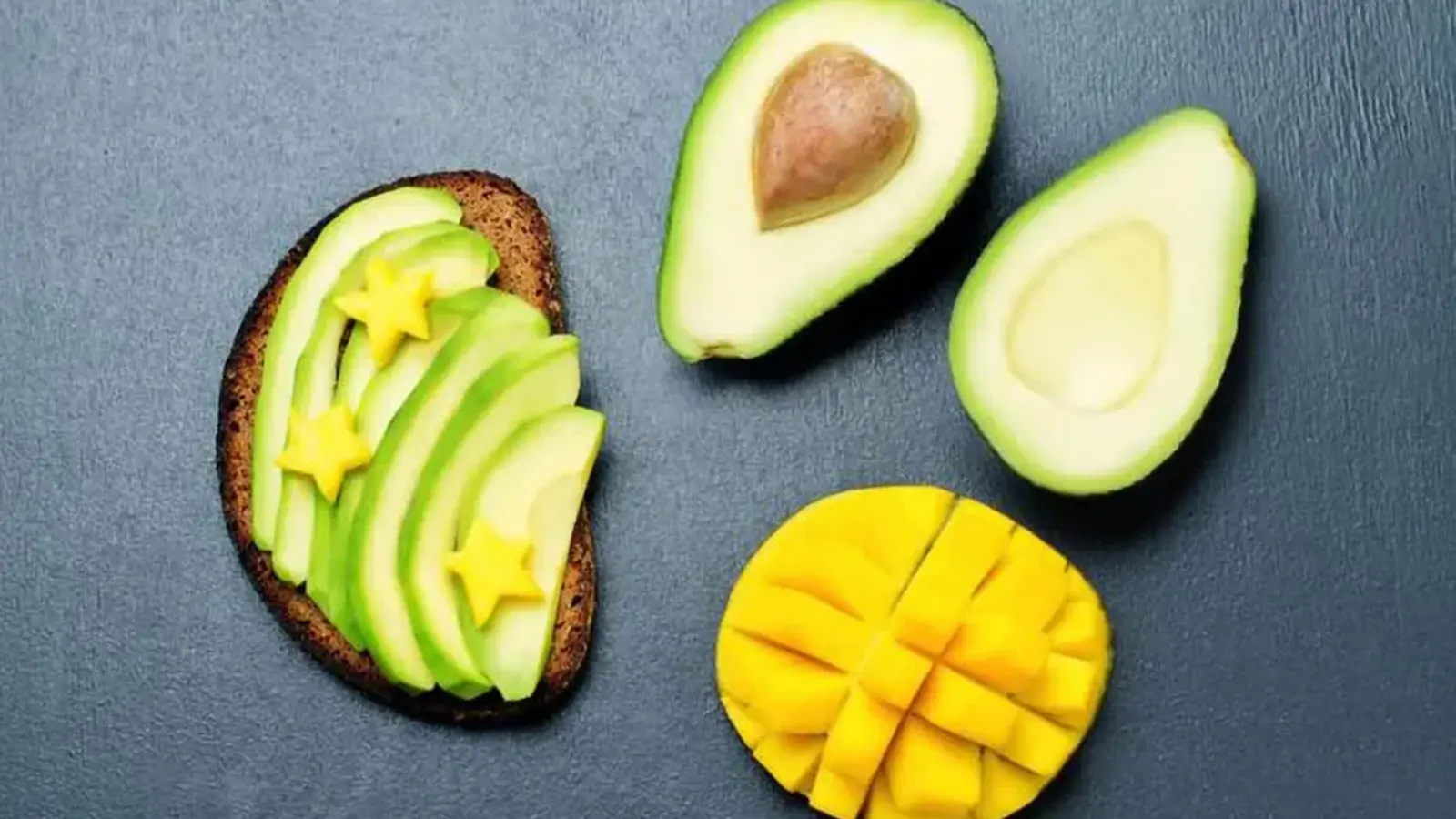
Imagine swapping a processed snack for a fresh cup of mango and an avocado at lunch, and then, eight weeks later, finding that your blood vessels behave more like they did in your youth. That is essentially what a recent controlled feeding trial reported: small dietary changes, measurable vascular improvements.
What the trial tested and why it matters
Researchers at the Illinois Institute of Technology enrolled 82 adults aged 25 to 60 who had prediabetes and were overweight or obese (body mass index 25 to 35). The intervention group ate one medium Hass avocado plus one cup of fresh mango every day for eight weeks. A comparison group followed a diet with the same total calories but replaced the two fruits with other carbohydrate sources.
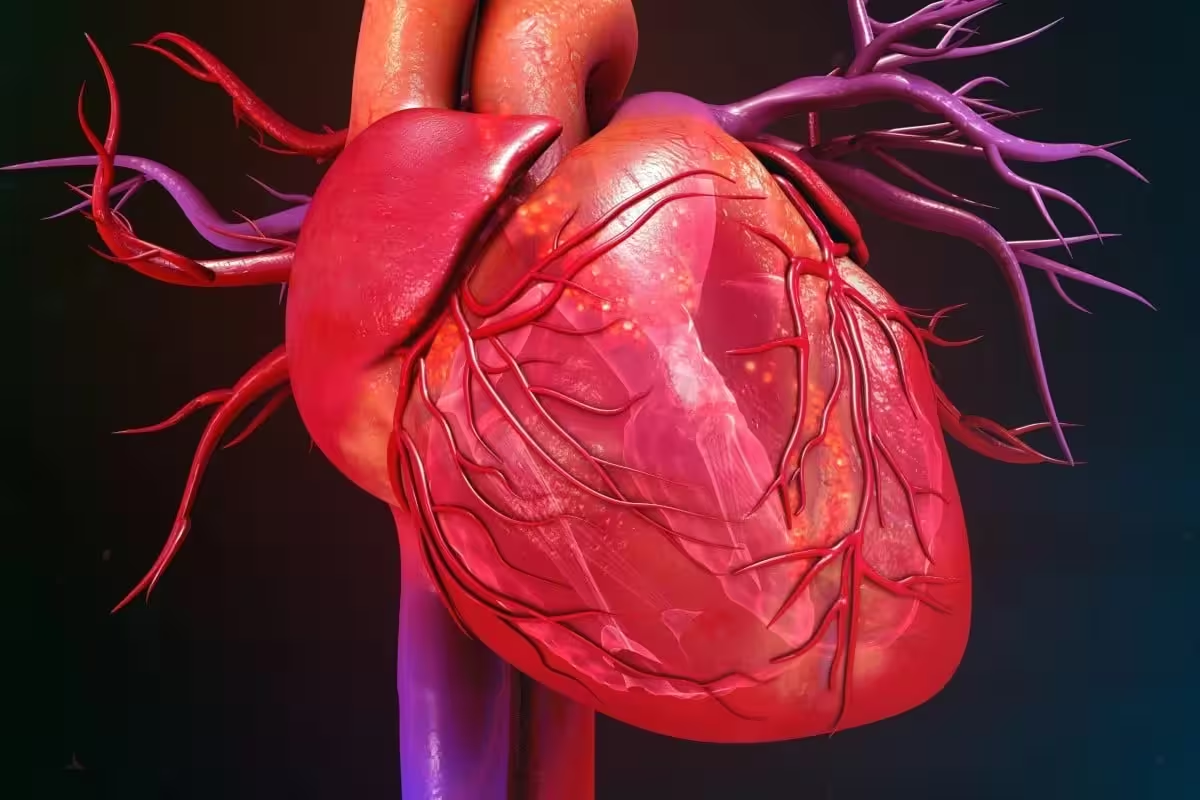
The primary outcome was endothelial function, assessed by flow-mediated dilation, or FMD. This is a noninvasive ultrasound technique that measures how well an artery opens when blood flow rises. FMD is an established marker: worse endothelial function often precedes clinical cardiovascular disease.
Key findings and physiological signals
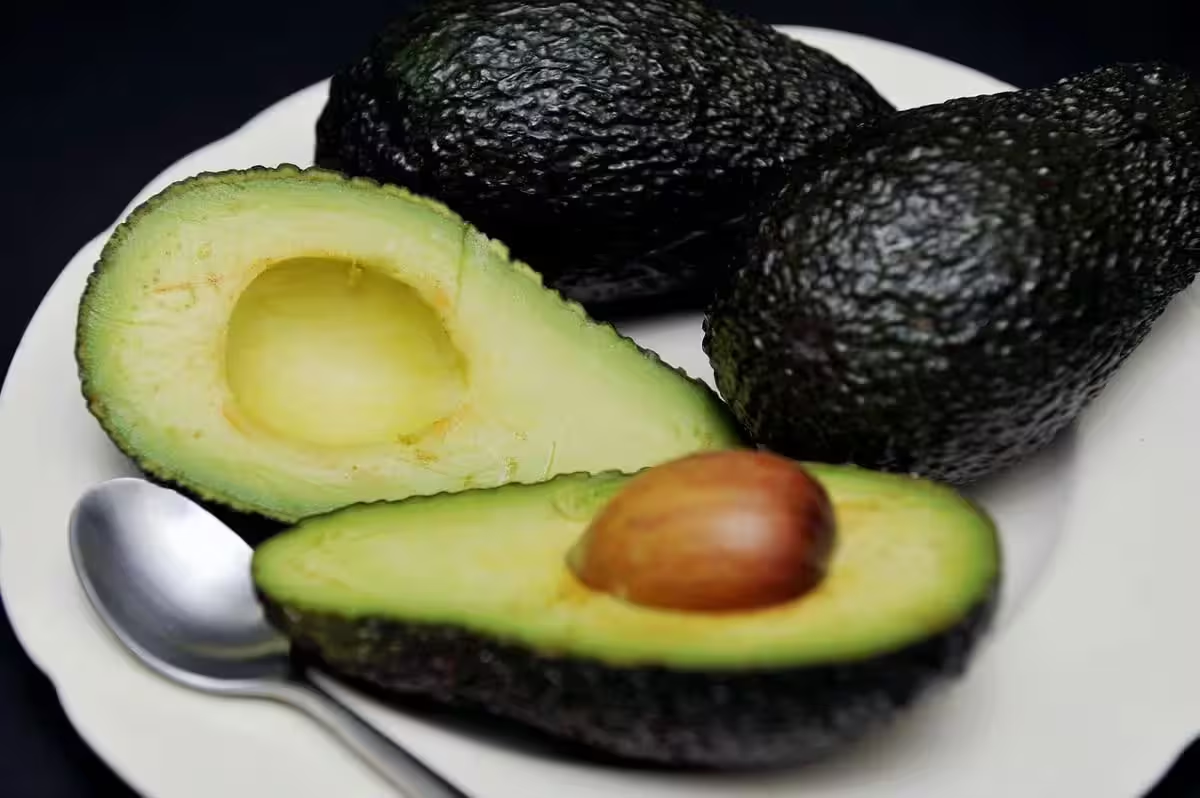
Participants consuming mango and avocado experienced a statistically meaningful rise in FMD to an average of 6.7 percent. The control group, by contrast, showed a decline to 4.6 percent. That gap suggests the fruit combination helped the artery lining respond more effectively to blood flow and pressure.
Blood pressure signals were also notable, especially in men. In the control arm, central blood pressure increased by about 5 millimeters of mercury. Men who ate mango and avocado recorded a reduction of roughly 1.9 millimeters of mercury in central pressure. Diastolic pressure, the resting pressure between heartbeats, improved as well. These are small numbers, but across populations, shifts like these can reduce long-term strain on the heart.
Importantly, participants did not gain weight and overall calorie intake remained unchanged. The avocado-and-mango group consumed more fiber, vitamin C, potassium, and monounsaturated fats, nutrients linked to vascular health. Kidney filtration function, estimated by eGFR, showed modest improvement for the fruit group. However, blood lipids, fasting glucose, and inflammatory markers did not differ meaningfully between groups over the eight weeks.
How might mango and avocado influence vessels?
There are several plausible mechanisms. Mango supplies vitamin C and polyphenols that can scavenge oxidative compounds, lowering endothelial stress. Avocado delivers monounsaturated fats and potassium, nutrients associated with better blood pressure regulation and healthier lipoprotein profiles. Fiber from both fruits can modulate post-meal glucose and support gut metabolites that influence vascular tone.

Think of endothelial cells as gardeners tending a wall of plants; when they have the right nutrients and less oxidative pressure, the wall stays resilient. This trial suggests diet can help those gardeners perform better, even over a short period.
Limitations and context
Caution is necessary. The study lasted only eight weeks. Whether improvements in FMD translate to fewer heart attacks or strokes over years is unknown. The sample was specific: adults with prediabetes and higher BMI, excluding smokers and those with chronic illnesses. Results may not generalize to younger, leaner, or already-healthy populations.
Also unresolved is whether mango and avocado together produce an additive benefit, or if either fruit alone would yield similar effects. The trial controlled calories carefully by providing 75 percent of participants' meals, a strength for internal validity but a limitation for real-world adoption.
Expert Insight
Dr. Maria Alvarez, a cardiovascular nutrition scientist familiar with the research design, commented that the findings are promising but preliminary. She said: 'Short-term improvements in endothelial function are encouraging because they signal change at the cellular level. Still, we need longer studies that follow clinical events to understand public health impact.' Her view reflects a common stance among clinicians: mechanistic change matters, but clinical outcomes matter more.
Practical takeaways
The message for clinicians and health-conscious readers is pragmatic. Swapping processed snacks or refined carbs for whole fruits that supply fiber, vitamin C, potassium, and healthy fats can nudge vascular health in the right direction. For people with prediabetes, these choices come without added calories or weight gain in this controlled setting.
If you try this at home, aim for whole fruit portions similar to the trial: one medium Hass avocado and about one cup of fresh mango. Balance remains essential. Fruits complement other lifestyle measures such as regular physical activity, salt moderation, and evidence-based medical care when needed.
Conclusion

This randomized, controlled, short-term study shows that adding a daily avocado and a cup of mango to an isocaloric diet improved endothelial function and yielded modest blood pressure benefits among adults with prediabetes. The findings add one more piece to the nutrition-and-heart puzzle. They invite larger, longer trials to test whether these vascular changes reduce hard cardiovascular outcomes over time, and whether similar effects appear in broader populations.

“The cosmos has always fascinated me. I write about space missions, astronomy, and the technologies pushing humanity beyond Earth.”

Discussion
Leave a Comment
Comments (1)
wow, swapping chips for mango + avo actually made arteries act younger? kinda mind blown, curious about long term tho, needs bigger study