
Most of us toss peels, cores and rinds without a second thought. Yet a new analysis shows those cast-off bits often pack far more dietary fiber than the flesh we eat. That simple habit could be a fast route to better gut health, lower household waste and a small but meaningful boost to nutrition at scale.
What the researchers did and what they found
Scientists from King's College London and collaborators took a root-to-tip approach to 12 common fruits and vegetables. Rather than measuring only the parts typically eaten, they weighed and analyzed peels, stalks, seeds, cores and other components people usually discard. The results, published in the International Journal of Food Sciences and Nutrition, are striking: for 10 of the 12 items, the parts normally thrown away contained more fiber per gram than the portions people commonly consume.
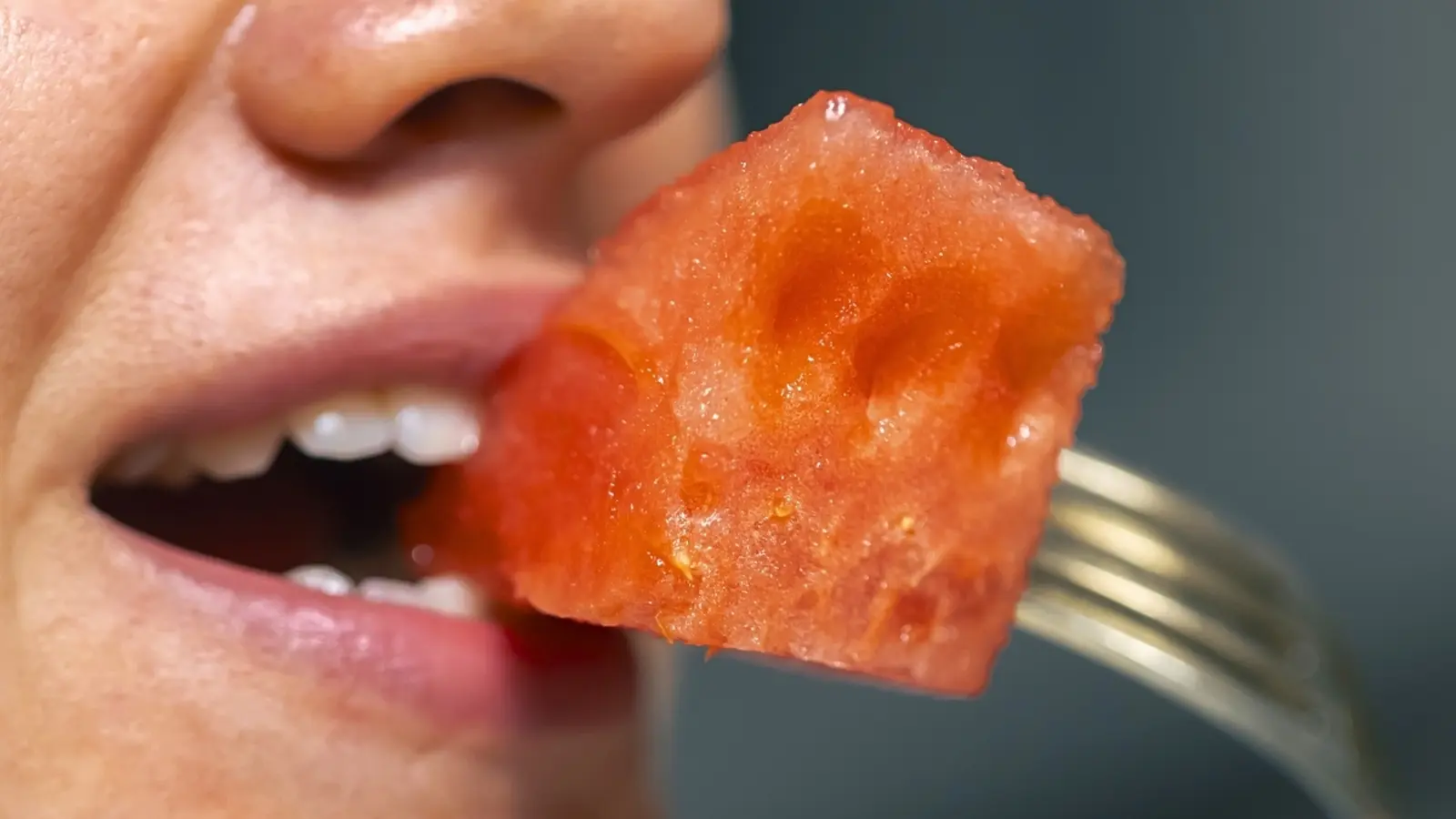
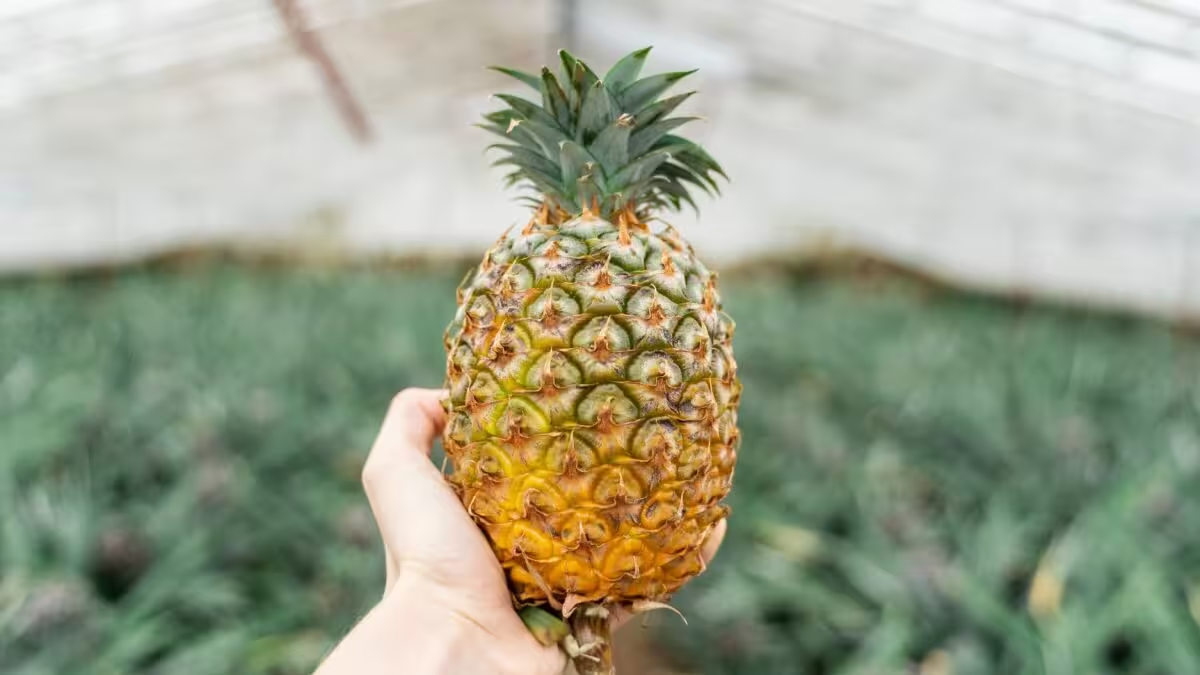
The produce sampled included beetroot, bell pepper, broccoli, butternut squash, cauliflower, celeriac, curly kale, fennel, kiwi, leek, pineapple and watermelon. The combined root-to-tip sections made up roughly 25 to 48 percent of each item’s total weight. In some cases the difference in fiber content was dramatic: pineapple skin and core contained roughly 453 percent more fiber by weight than the flesh; watermelon rind carried about 425 percent more fiber than the juicy interior; and butternut squash skins, seeds and inner membranes had around 362 percent more fiber than the flesh.
That does not mean every discarded part is equally edible or palatable. Broccoli and fennel bucked the trend: their eaten portions were higher in fiber per gram than the elements typically discarded. And some surfaces, such as pineapple skin, can concentrate natural compounds that make them unpleasant or unsafe to eat raw. The takeaway is not to demand improbable diets, but to widen our thinking about which parts of plants can contribute useful fiber.
Practical implications for health and waste reduction
Dietary fiber is linked to a reduced risk of bowel disease, improved blood sugar control and a healthier gut microbiome. Yet surveys show most adults fall well short of recommended daily fiber targets. Small changes can add up. Using parts of produce that are already being bought but then discarded is a low-cost, low-tech way to raise fiber intake.
How could that look on a plate? Turn watermelon rind into pickles or thinly sliced slaws. Roast squash skins and seeds with spices. Blend banana peels or apple skins into smoothies where texture and flavor are masked. Use broccoli stalks in soups and stir-fries instead of discarding them. Culinary techniques and recipes exist to make many of these parts more palatable and safe, and food processors are increasingly experimenting with upcycling peels into flours, fibers and ingredients for baked goods.

There are environmental and economic angles too. Tossing edible, fiber-rich matter increases household food waste and wastes the energy, water and carbon embedded in growing and transporting that food. Reclaiming even a portion of what we now discard can lower waste volumes and stretch food budgets, especially in communities where fresh produce is expensive or scarce.
Expert Insight
"This study reminds us that nutrition is embedded in whole plants, not just in the parts we culturally prefer," says Dr. Elena Morales, a nutritional epidemiologist at the University of Barcelona. "Practical adoption will depend on taste, convenience and safety. But even modest changes — using stalks in soups, integrating peels into processed foods, or educating cooks — could materially increase average fiber intake and improve microbiome diversity."
Focus-group work with consumers in the study highlighted barriers: perceptions of texture, unfamiliarity, and concerns about residues or toxins. Those are legitimate. Food-safety guidance, clear preparation methods and recipes that remove or neutralize bitter or fibrous textures will determine how far root-to-tip thinking spreads beyond nutrition labs and culinary enthusiasts.
Context and next steps for research
Analytical studies like this quantify nutrient distribution, but follow-up work should test dietary interventions: can nudging households to use more of the plant increase fiber intake measurably, change microbiome markers, or reduce waste at scale? Food scientists and manufacturers can also explore ways to incorporate discarded fractions into shelf-stable products safely. Policy makers and public-health communicators may have a role too, by funding demonstration projects or integrating root-to-tip guidance into waste-reduction campaigns.
Finally, quality control matters. Not all peels are created equal; pesticide residues, natural toxins and physical grit can be real hazards. Washing, peeling where necessary, cooking and choosing trusted suppliers remain basic precautions.
Conclusion
We buy whole fruits and vegetables but often consume only parts of them. Reimagining the kitchen as a small-scale circular system — where peels, stalks and seeds are treated as ingredients rather than trash — offers a practical route to more dietary fiber, less waste and modest savings. The science is clear that much of the nutritional value sits in those neglected pieces. What remains is the cultural and culinary work of making them a regular part of our meals.

“The cosmos has always fascinated me. I write about space missions, astronomy, and the technologies pushing humanity beyond Earth.”

Discussion
Leave a Comment
Comments (1)
Wow didn't expect pineapple skin to have that much fiber! gonna try pickling rind, but uh gotta figure safety first… any good recipes?