
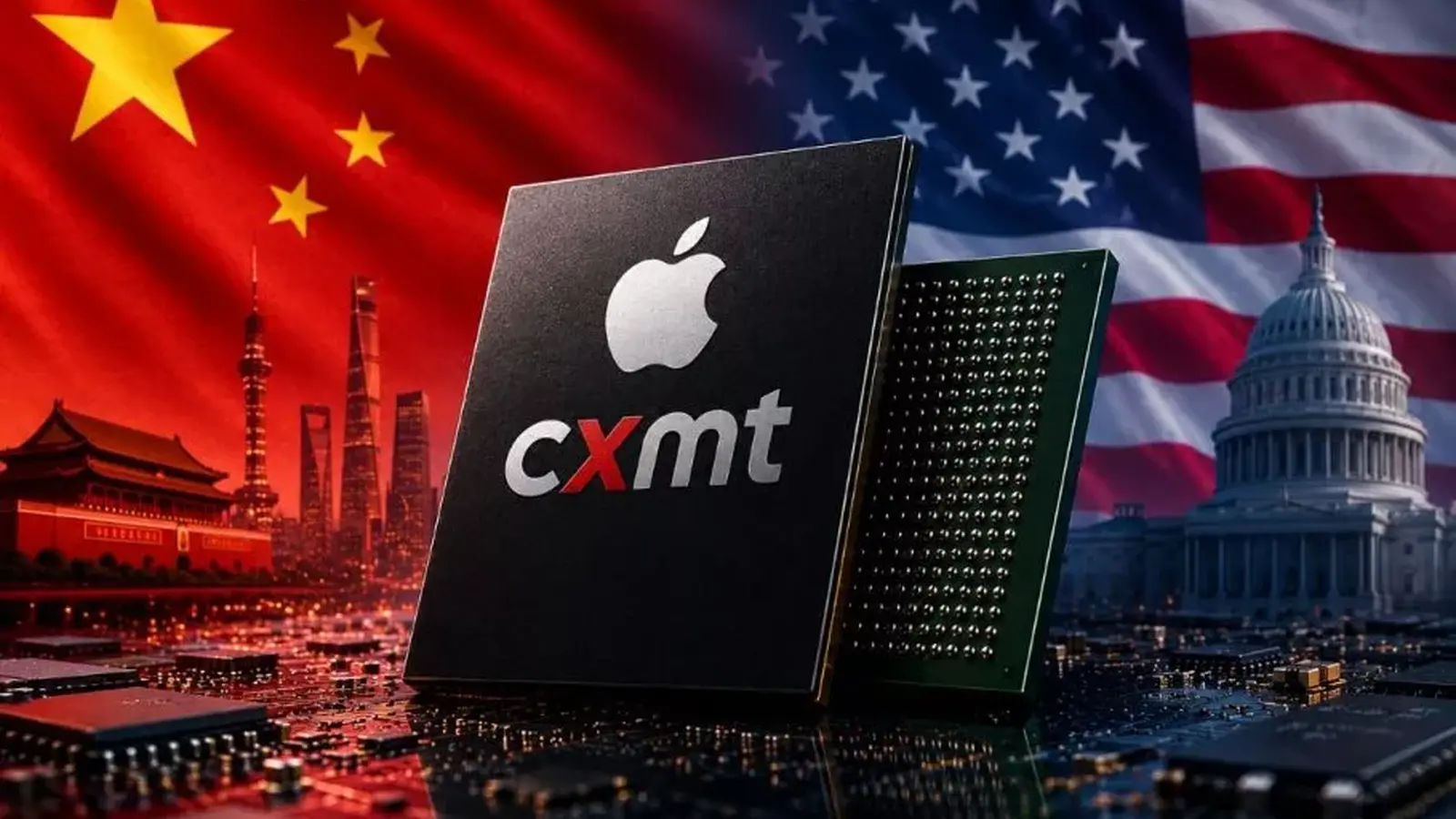
Apple quietly asking for special permission to buy memory from a little-known Chinese maker feels like a plot twist, not a supply-chain memo. But the drama is real. A shortage of memory chips, driven largely by surging demand for AI processors, has forced Apple to raise prices on some products. That in turn prompted reports that Apple has asked the US government to approve purchases from CXMT, a Chinese DRAM supplier.
Why Beijing could step in
CXMT has been thrust into the spotlight after claims it reached competitive levels for HBM3 production, the very memory used by high-end AI accelerators. Even Google is said to be assessing CXMT chips. Yet the question is not technical capability alone. Politics is the current bottleneck.
The Pentagon and parts of the US government have already flagged CXMT as linked to China’s military, and CXMT was listed on the US Entity List. Even if Washington were to grant an exemption, that might not be the end of the story. Beijing has the power to restrict exports. It could decide, at any point, that delivering scarce DRAM outside China is not in the national interest.
There is a domestic logic to such a move. Chinese producers have shifted capacity from LPDDR used in phones toward DDR types to feed a booming home-market demand. This shift has fueled a DRAM shortfall inside China, which local smartphone makers now feel acutely. When chips are in short supply, national priorities tend to win. That means CXMT is likely to favor local customers first, leaving little to ease the global crunch.

Analysts at Korea Investment & Securities looked into the rumor of Apple sourcing DRAM from CXMT and came away skeptical. Even with US exemptions, they say, China could block outbound sales. Capacity constraints matter too. CXMT may not have the spare production to meaningfully lift global supply while still meeting domestic needs.
So what happens next? Several scenarios are plausible. Apple might secure a one-off waiver, but deliveries could be limited and fragile. Or Washington might refuse any exception for geopolitical reasons. Or Beijing could impose an export curtailment that leaves CXMT selling almost exclusively into China. Any of these outcomes would keep upward pressure on memory prices worldwide.
For consumers, the immediate effect is simple: higher costs and slower relief. For industry watchers, the episode is a reminder that modern semiconductor markets are not just about fabs and nodes. They are also arenas for policy, national security considerations, and strategic industrial choices. The memory shortage that started with AI demand has become entangled with diplomacy.
In short, CXMT may have talent and technology, but capacity and geopolitics will likely determine whether it ever becomes a real alternative for Apple and other global buyers. The supply chain can be measured in wafers, but it is often decided in capitals.


“I cover emerging technologies, digital innovation, and the intersection of tech and everyday life. My goal is to make complex trends accessible and inspiring.”

Discussion
Leave a Comment
Comments (2)
Wow didn’t expect memory politics to be this intense… feels like tech wars not just shortages. If that’s real then Apple buyers pay up, ugh
Is this even true? Apple asking to buy CXMT chips sounds wild. But would China really block exports mid deal? Also capacity doubts, smells political, messy tbh