
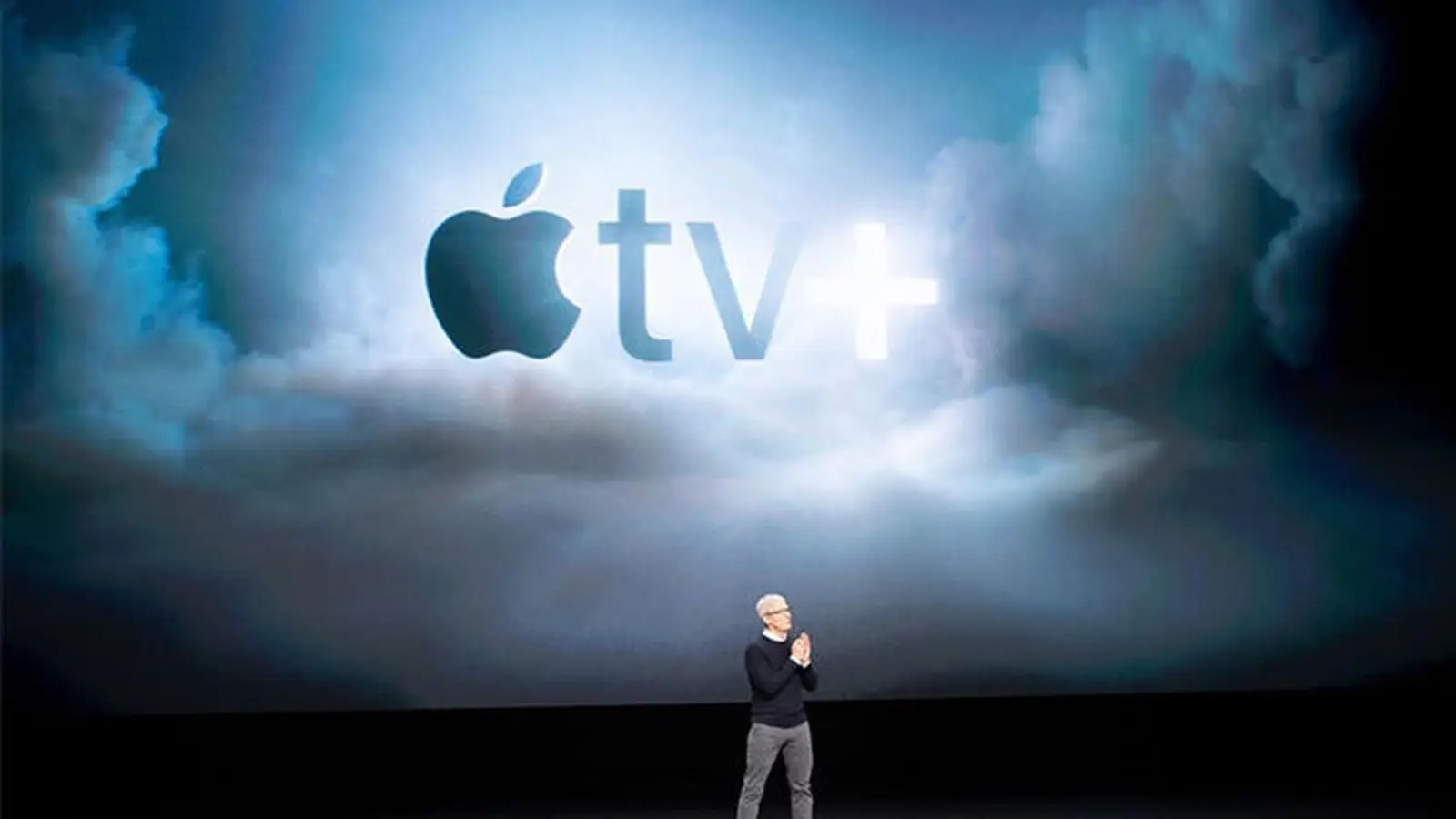
When Eddie Cue accepted a 2026 entertainment award at Cannes, he didn’t deliver a corporate memo. He sketched a simple ambition: make more stories, and make them better. Short sentence. Big promise.
Apple’s push into original cinema and television began in 2019, but the company has learned fast. It can now claim an Academy Award for Best Picture with CODA, global box office success with F1, and Emmy-winning series such as Ted Lasso and The Studio. Those wins read like proof of concept. They also read like an opening act.
Why Apple thinks scale and prestige can coexist
Cue was blunt: “We want to keep getting better and to produce more.” He framed the goal as both creative and strategic. Apple isn’t chasing quantity for its own sake. The aim is to increase volume without diluting craft—more films and series that feel intentional, not transactional.
The F1 feature is a useful case study. Starring Brad Pitt, the film grossed about €578 million worldwide. Now Apple has already greenlit work on a sequel script. That signals confidence in tentpole cinema as a growth engine, but also in the long tail: sequels, spin-offs, and series that extend a film’s life across platforms.
Here’s the part that matters for viewers and industry watchers: Apple will keep a dual distribution model. Some projects head straight to the streaming service. Others get a theatrical run first. Cue argued the two approaches support one another. A cinematic release can elevate a title’s prestige and, counterintuitively, drive more attention back to streaming premieres later.
That balance—festival buzz and living-room reach—is the exact place Apple wants to occupy. It’s not an either/or conversation. It’s an ecosystem.
There’s also a personnel nod tucked into Cue’s remarks. He suggested that John Ternus, touted by some as a future leader at Apple, would back the plan. Whether or not succession chatter proves accurate, the signal is clear: the company sees original content as a long-term pillar, not an experimental side project.
For creators, the message is practical. Apple appears ready to invest in bigger budgets and more frequent production schedules, but with creative oversight that aims to preserve quality. For competitors, it’s a reminder that streaming platforms can still pivot toward theatrical prestige without undermining subscriber-focused strategies.
Expect more announcements. Expect larger-scale marketing. And expect Apple to keep experimenting with how theater releases and streaming windows interact—because the company believes the two models are complementary, not cannibalistic.
Short sentence. Simple truth. The entertainment arms race just got louder.


“I love exploring gadgets, apps, and trends that redefine how we connect, work, and play in a digital world.”

Discussion
Leave a Comment
Comments
No comments yet. Be the first.