
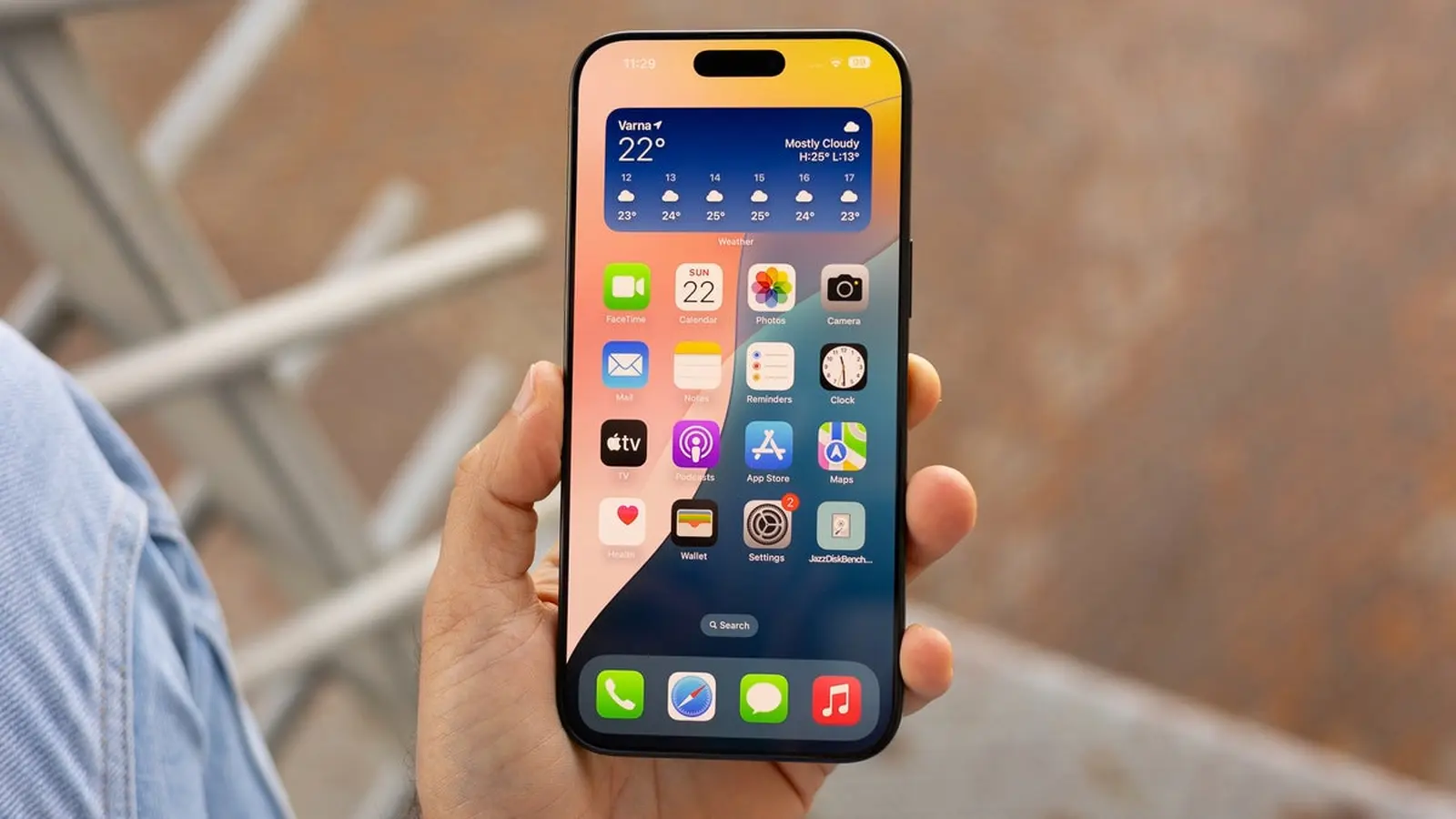
Picture this: you want the newest iPhone, but the price spike from last month still stings. Apple thinks it has a fix. Starting July 28, the company will roll out Apple Upgrade, a device leasing plan built with Klarna that lets you spread payments over months instead of fronting the full amount.
Why this matters more than a payment plan
It looks like a subscription. It feels like a loan. But Apple is pitching Apple Upgrade as a flexible path to keep buying into its ecosystem without the sticker shock. Expect a soft credit check. Expect two-year leases for iPhones and Apple Watch models, and three-year terms for iPads and Macs. You can pay off early. You can upgrade early. At lease end, you choose: return the gadget or keep it.
Not everything is eligible. The Apple Watch SE, the base iPad, the iPhone 16, and the MacBook Neo are excluded from the program. That selective approach suggests Apple is targeting mid-to-high tier devices where monthly payments make the most sense for buyers and for margins.
The existing iPhone Upgrade Program will be retired when Apple Upgrade goes live on July 28.
There is one notable omission from the new offer: AppleCare. Unlike the current iPhone Upgrade Program, Apple Upgrade will not bundle AppleCare into the lease. That shifts warranty decisions back to the buyer, and could affect the total cost of ownership over the lease term.

Why partner with Klarna? Simple: Klarna brings checkout familiarity and installment expertise. For Apple, it’s a way to scale leasing without running the whole finance stack itself. For Klarna, it’s a marquee partner that broadens reach into premium hardware sales.
Some will see this as a response to the price increases Apple implemented about a month ago for most devices. Others will call it a way to smooth revenue and keep upgrade cycles humming. Both reads are valid. Leasing softens the up-front hit for customers, which may blunt the impact of higher retail prices and keep demand more stable.
Questions remain. How will trade-in values factor into monthly costs? Will leasing push more users toward swifter upgrade cycles and more electronic waste, or will buybacks and returns be managed responsibly? Apple’s past programs have evolved on those fronts; expect similar adjustments here.
For buyers weighing options, the math will matter. Leasing can lower monthly outlay. But without AppleCare included, accidental damage or repair bills could raise the effective monthly cost. Crunch the numbers before signing up.
Apple Upgrade is more than a payment option. It is another signal that Apple is trying to keep hardware attractive as global prices change. If you upgrade frequently or dislike big one-time payments, this could be the easiest route to staying current. If you prefer ownership and long device lifespans, do the sums first.


“I cover emerging technologies, digital innovation, and the intersection of tech and everyday life. My goal is to make complex trends accessible and inspiring.”

Discussion
Leave a Comment
Comments (2)
Kinda makes sense tbh Easier upgrades but watch repair costs, crunch the numbers.
Leasing iPhones now? soft credit check, no AppleCare, sounds like a trap or am I missing sth?