
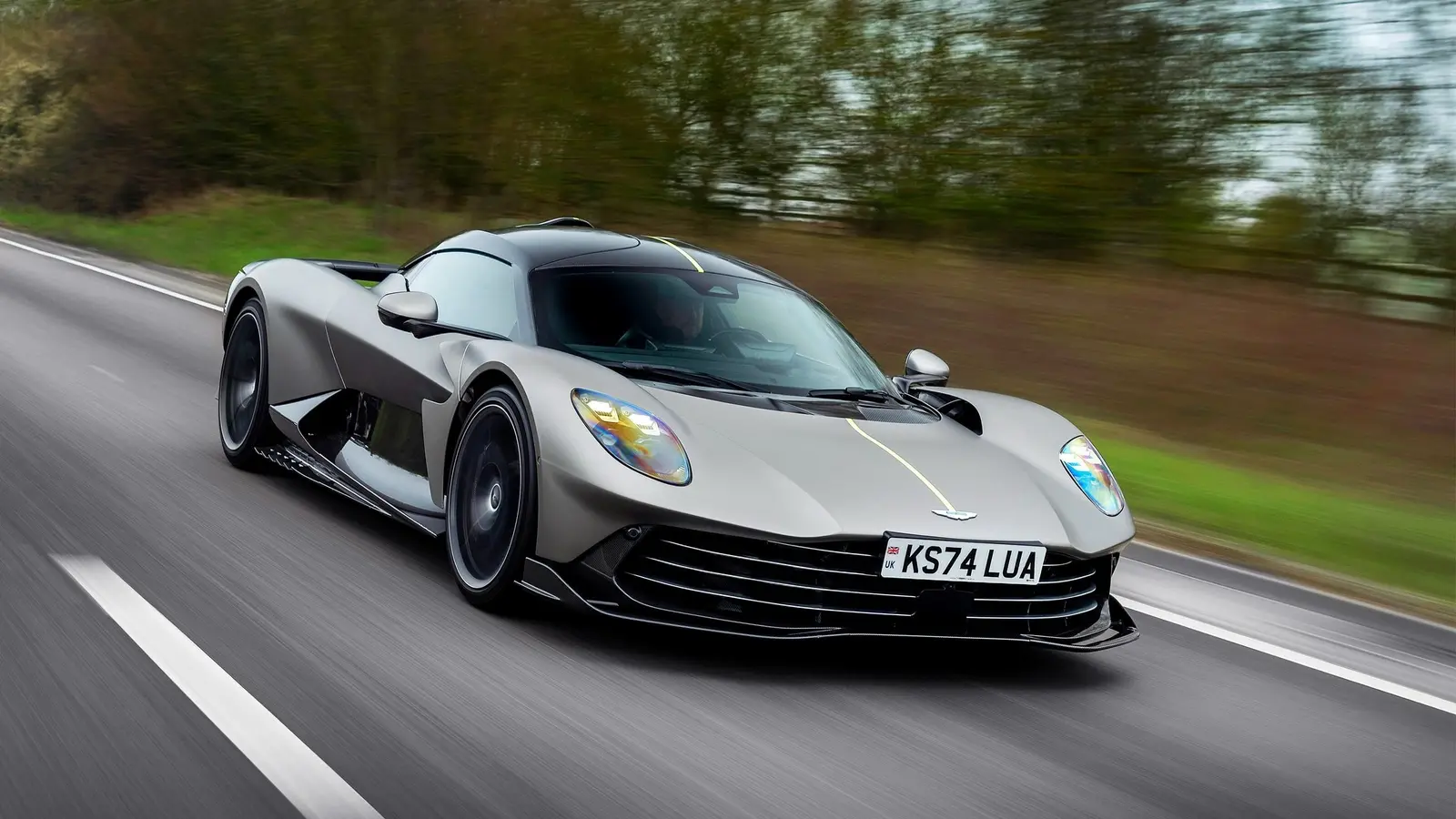
Walk into Gaydon and you can almost hear strategy changing gears. The roar that made Aston Martin famous will stay. But the way those engines are built, bolted and managed is getting a deep, deliberate overhaul.
Keeping the soundtrack, fixing the plumbing
Adrian Hallmark has a plan: blend the visceral thrill of V8s and V12s with smarter, lighter engineering. The company confirmed a clean-sheet, bonded-aluminum modular platform that should start showing up in new Aston Martin models before the decade ends. It’s aluminum-heavy by design, scaled so SUVs and grand tourers can be assembled with many of the same parts. The result? Fewer bespoke bits, lower complexity and better economies across Gaydon and the St Athan factory in Wales where the DBX is built.
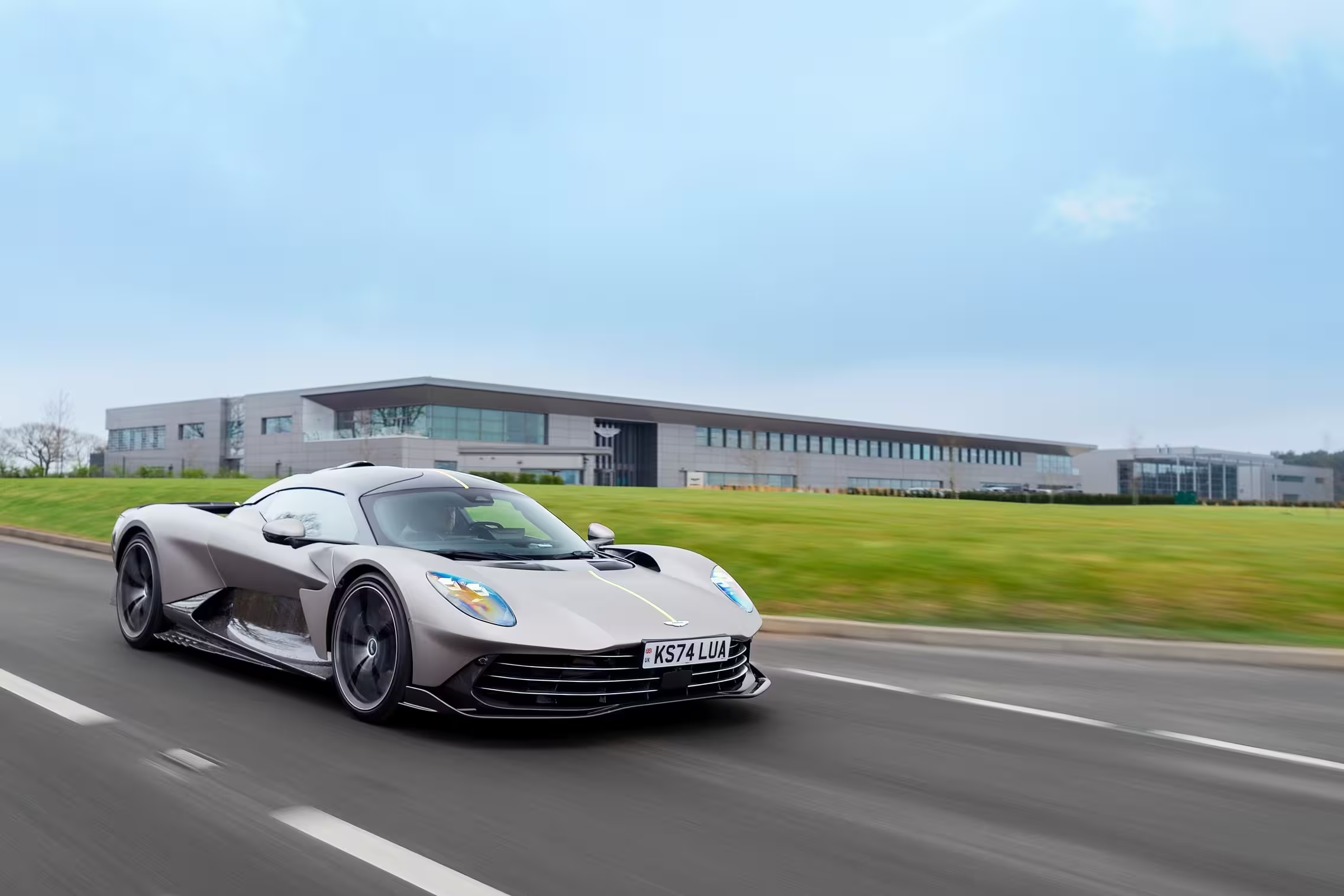
That’s not code for dilution. If anything, it’s a pruning exercise aimed at freeing engineers to tune what truly matters: chassis balance, software calibration and the way a car communicates with a driver. Expect a high degree of shared hardware under the skin, but distinct software personalities that keep each model feeling like its own creature on the road.
So how will Aston Martin square tradition and regulation? By leaning into mild-hybrid technology rather than forcing a sudden jump to full battery propulsion. A 48-volt system will be rolled across the platform—driving turbochargers, assisting HVAC and delivering modest power and efficiency gains. The aim is pragmatic: retain emotional exhaust notes and throttle response while making cars compliant and a touch more efficient.

Think of it as electrification with restraint. The brand wants the soundtrack to remain iconic, not neutered. At the same time, Hallmark has made clear that a full switch to battery-electric vehicles is planned for the 2030s, with electrified internal combustion serving as the bridge.
There’s a customer strategy baked into the engineering, too. Standardizing climate units, seat frames and electrical architectures makes the next generation easier to sell to existing owners. Trade-ups should feel logical rather than coerced: refreshed platforms and key systems give buyers reason to move from older models to new ones without losing the brand identity that attracted them in the first place.
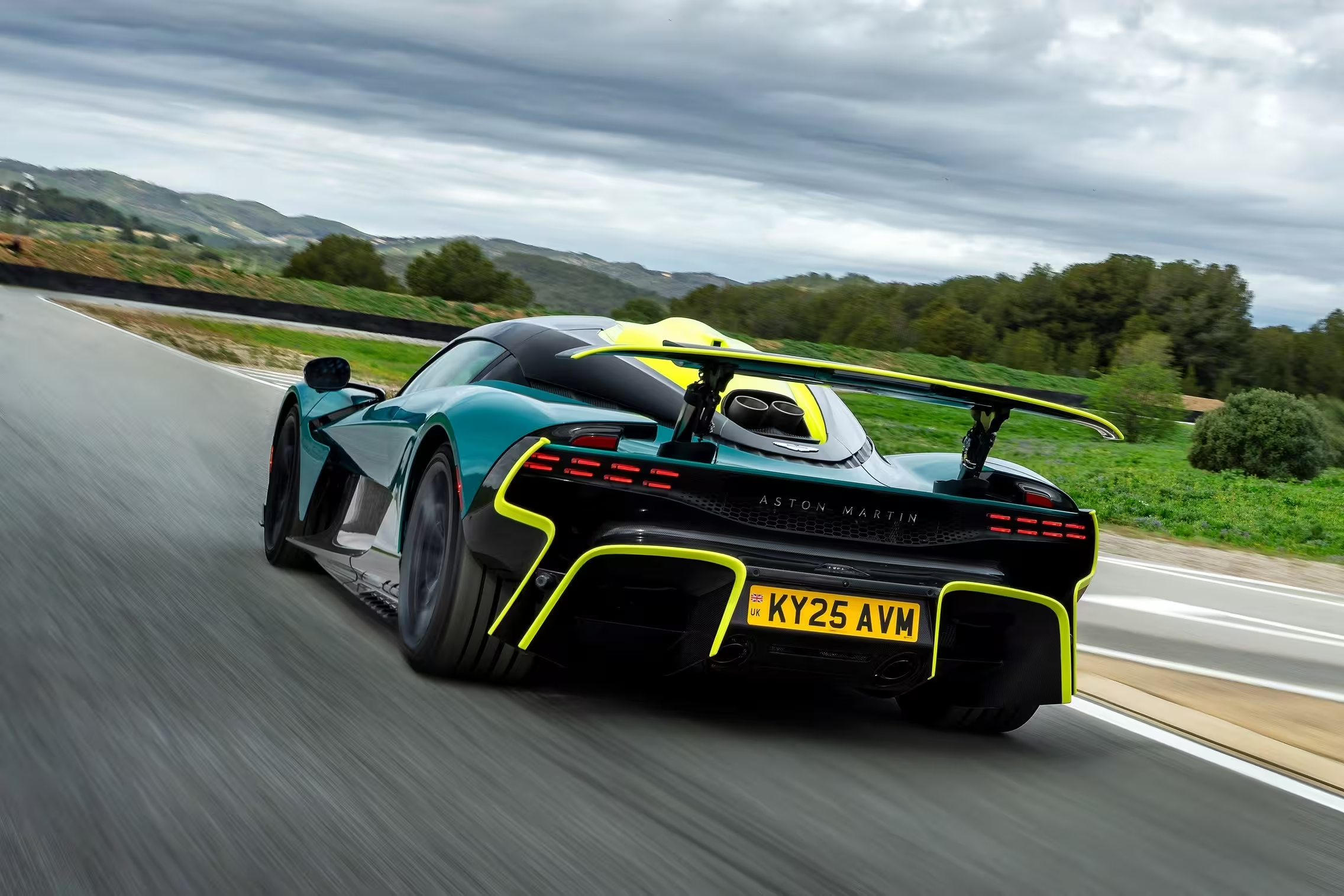
Practically, standardized components will reduce development time and production headaches. Engineers won’t waste effort reinventing ancillary parts and can instead concentrate on driving feel, bespoke suspension tuning and software that differentiates a GT from an SUV.
It’s a calculated bet. Luxury marques often rush to full electrification. Aston Martin is taking a different route: preserve the sensory drama today, while building the manufacturing discipline to support an eventual BEV future. If the platform delivers on flexibility and cost savings, the company can maintain its performance halo and prepare factories and supply chains for the electric era that follows.
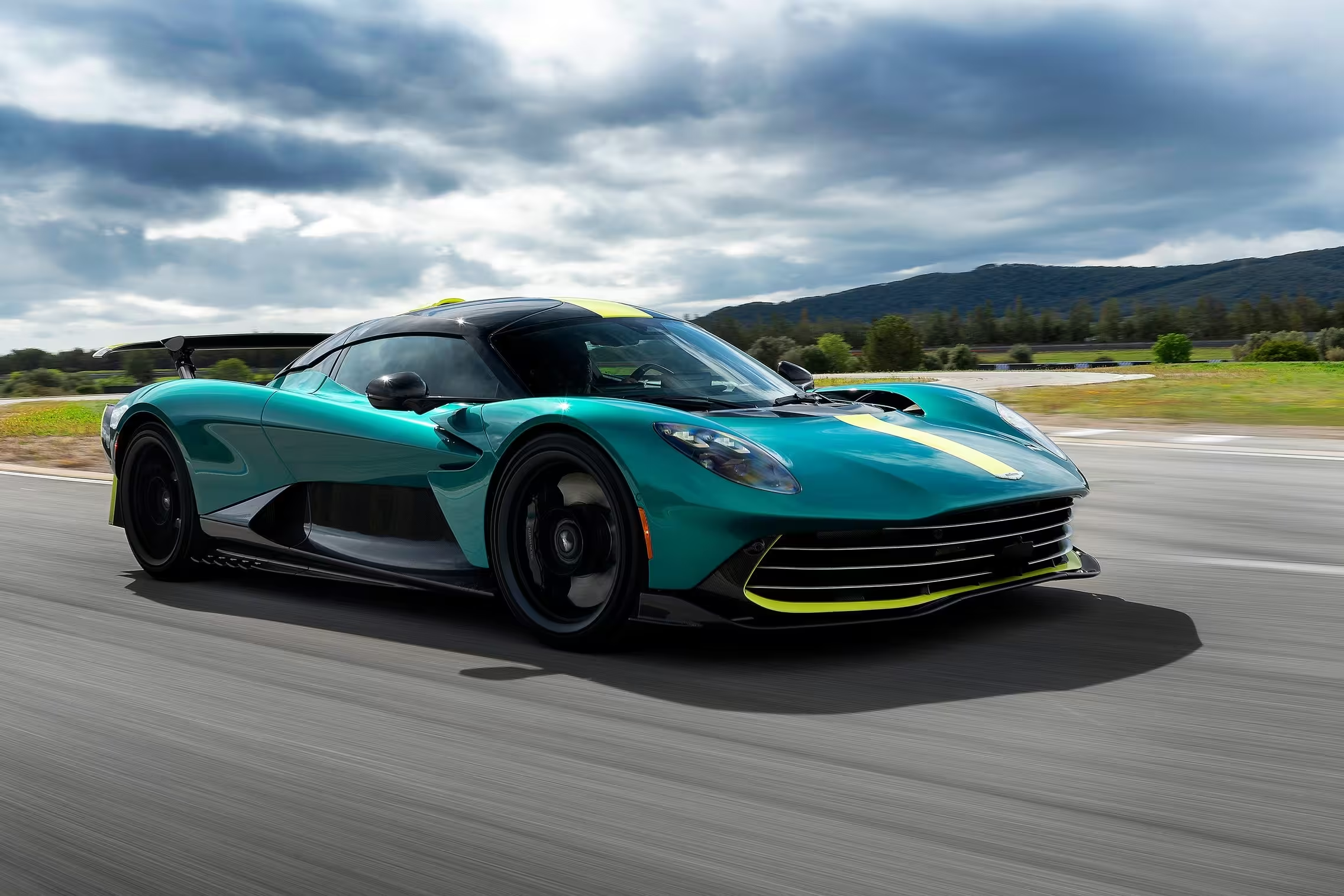
Short version: Aston Martin is modernizing from the bones out. The new modular architecture is the spine; mild-hybrid systems are the muscles that keep the classic Aston feel. And thoughtful standardization is the nervous system that will let the brand evolve without losing what makes it desirable.


“Cars are evolving faster than ever. I cover electric vehicles, smart mobility, and the future of transportation worldwide.”

Discussion
Leave a Comment
Comments (2)
Makes sense tbh. Mild hybrid bridge is smart, keeps the drama. Still, am curious how much weight aluminium adds vs carbon bits. Fingers crossed on driving feel.
Wow, didnt expect Aston to be so pragmatic. Keep the V8 growl, slim parts count. Sounds sensible, but if the soul gets software-only polish ill be annoyed. Hope they nail chassis tuning.