
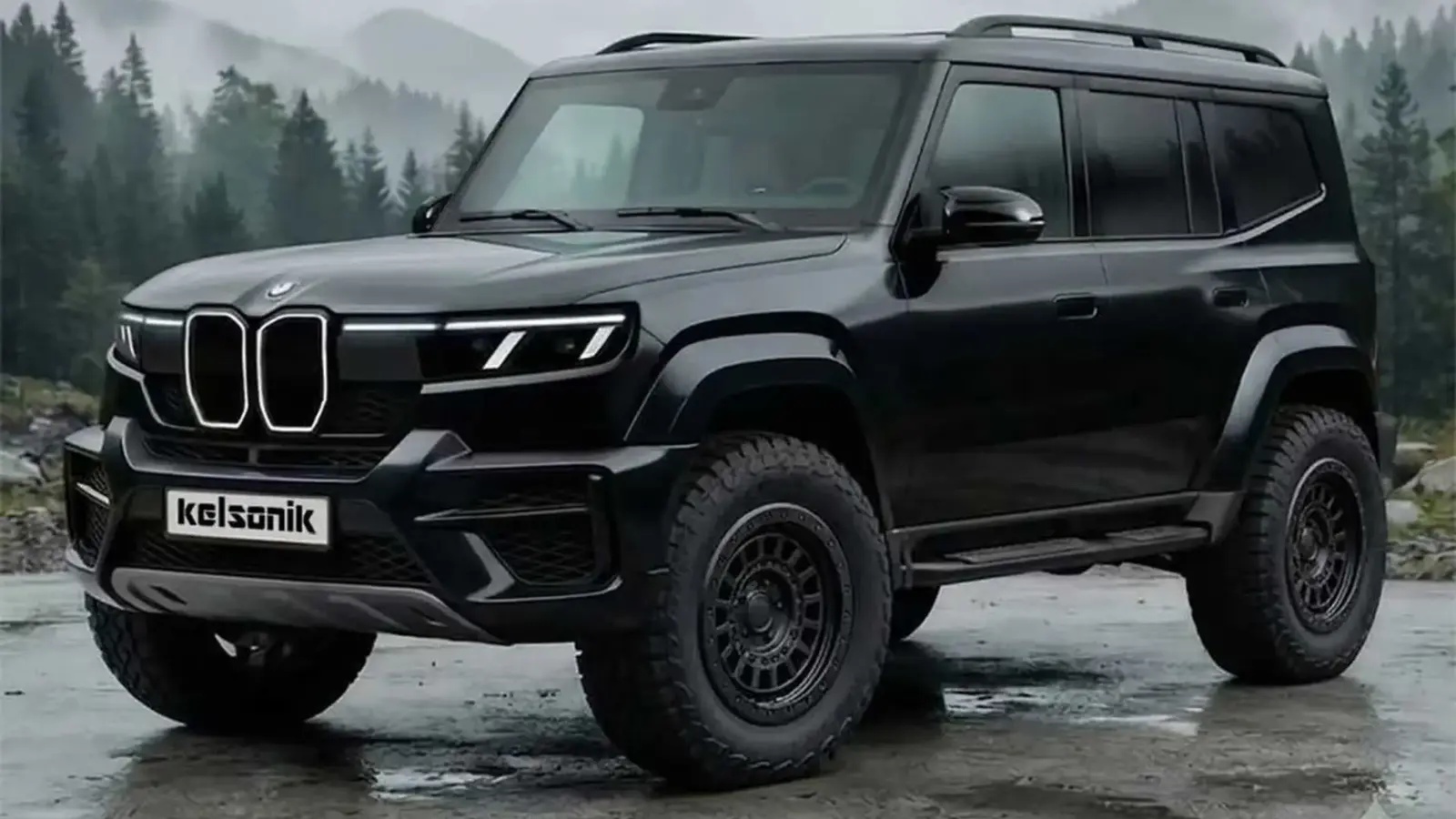
The rumor mill had already sketched out a Bavarian answer to the Mercedes G-Class: brutish lines, serious ground clearance and a badge that would dare to stare down the G-Class. Then silence. Sources close to BMW say the G74 project has been put on ice because the numbers simply did not add up.
Why the project stalled
Was it ambition or hubris? Either way, BMW never publicly confirmed G74. Insiders tell a different story. The plan aimed at a very small, high-cost slice of the market. Building a bespoke luxury off-roader is not like stretching an existing model. It consumes engineering hours, specialized tooling and an enormous marketing bet. For a niche buyer base, the return on investment looked thin.
BMW already offers the XM, a pricey, flagship-leaning model that sits near the G-Class in price but not in character. The XM is a performance luxury statement. The G-Class is a purpose-built off-road icon. Two cars, two philosophies. That difference matters when you are deciding whether to pour hundreds of millions into a new chassis and drivetrain package for a handful of markets.

Another factor: internal housekeeping. Munich is trimming its range and simplifying operations. The era of oddball, low-volume models is winding down. The 3 Series Gran Turismo and 6 Series Gran Turismo are gone. Executives do not want to chase another boutique segment against the G-Class and Range Rover where margins may be uncertain.
Still, the door is not shut. BMW can cancel or revive a project up to 18 months before production begins. The original target for the G74 was 2029, which means resurrection is possible if corporate priorities shift or demand unexpectedly resurges.
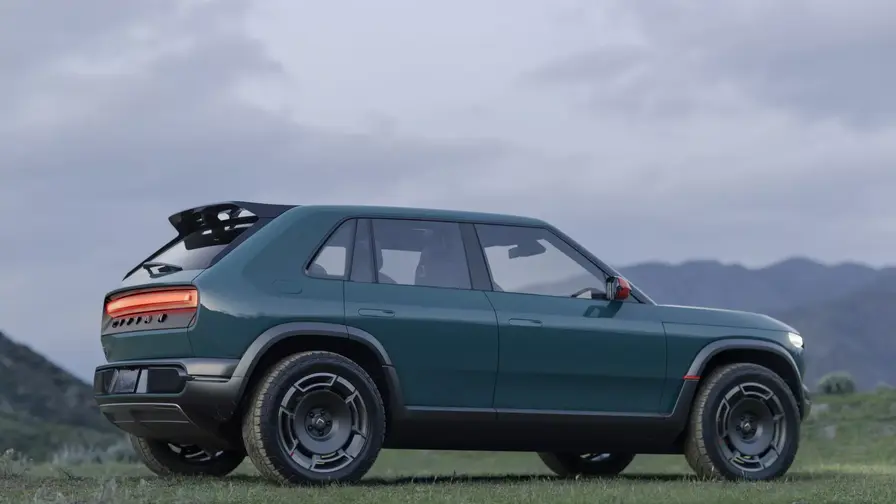
How the idea evolved reveals the thinking behind it. The initial spark came from benchmarking work on the Rivian R1T electric pickup. Engineers were impressed. An early concept was electric and based on BMW's Neo Class vision, and a full-scale design model was even produced. Whether that model ever became a running prototype remains unclear.

As battery vehicle demand softened in some markets, the program was migrated to the CLAR platform, the same flexible architecture under the new X5. That swap would have allowed BMW to offer plug-in hybrid and full electric variants, plus serious off-road equipment, without inventing an entirely new underbody. Versatility was the goal, but apparently versatility could not erase the economics.
So what now? For readers and potential buyers, this means the likelihood of a BMW-built G-Class rival has receded for the moment. For BMW, the choice reflects a broader strategy: focus on core, scalable models and avoid expensive detours into very small niches. For the market, the G-Class retains one of the rarer roles in luxury SUVs: near-monopoly of character and desirability in the hardcore off-road luxury segment.
Bottom line: G74 is paused, not extinct. If Munich decides the math changes, the project could be back on the table before 2029.

“I cover automotive innovation, electric vehicles, and the future of mobility — where technology meets sustainability.”

Discussion
Leave a Comment
Comments
No comments yet. Be the first.