
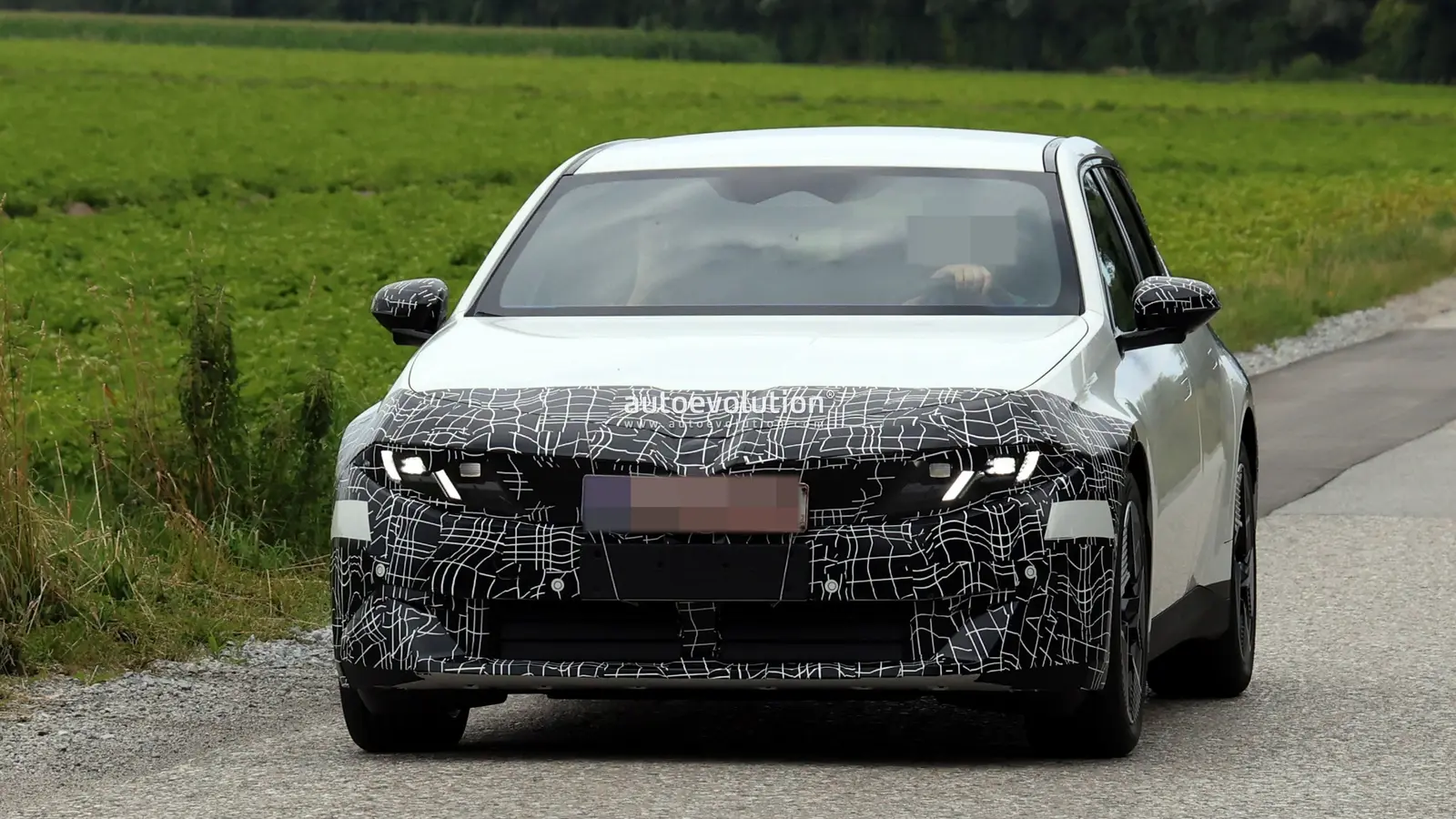
A disguised estate rolled past a photographer this July and made one thing obvious: BMW intends to turn the compact i3 into a genuinely practical wagon without changing the parts that define it.
Spy shots and what they reveal
The white prototype seen in recent spy images carries the same quirky vinyl camouflage BMW used on earlier i3 test mules. Trainers and hobbyist renderers already sketched the Touring months ago. Now the real car confirms those sketches in flesh and metal. Up front the bumper, slim kidney grille and headlamp arrangement appear identical to the i3 sedan up to the B-pillars. From there the roofline stretches out, forming a longer profile and reshaped rear three-quarter panels.

Look closely and you can also spot larger rear side windows and a tailgate rather than the sedan’s trunk lid. The rear windscreen looks like it opens independently from the tailgate, a practical detail that station wagons from BMW have offered before and that many buyers appreciate when loading awkward items. Inside, the cabin will likely mirror the sedan closely: the same minimalist dash, pillar-to-pillar lower display, free-standing central screen, four-spoke steering wheel and ambient lighting setup.
Powertrain, battery and real-world range
Under the sheetmetal BMW seems set to offer the Touring in xDrive 50 form, matching the sedan’s headline specs. Expect a 108.7 kWh battery feeding a dual-motor system that produces around 463 horsepower and roughly 645 newton-metres of torque. Those figures give the sedan a zero to 100 kilometres per hour sprint in about 4.7 seconds and a WLTP-rated range of roughly 423 kilometres.

The Touring will likely trade a sliver of acceleration and range for extra cargo capacity and longer roof. That is a typical engineering compromise. More body, more glass and the different weight distribution push efficiency down slightly. Still, battery chemistry, thermal management and regenerative braking strategies will be the bigger determinants of everyday range than the wagon body alone.
For readers less familiar with the terms: kWh measures how much energy the battery stores. WLTP is a standardized test used in Europe to estimate range, but real-world figures vary with driving style, temperature and load. Aerodynamics also matter. A longer roofline can help or hurt depending on how it interacts with airflow over the rear.

Why the Touring matters
Compact electric sedans are efficient. Wagons add function. Put them together and you get a vehicle that answers a common question among EV buyers: can I have both range and cargo flexibility? The i3 Touring could appeal to families and outdoor enthusiasts who want a smaller footprint than an SUV but more practicality than a typical sedan.
It also gives BMW a direct rival to premium electric estates and crossovers that blur the line between utility and sportiness. If BMW keeps the sedan’s interior architecture intact, aftermarket and accessory ecosystems will pick up quickly, speeding up adoption among customers who want sensible electric mobility without a steep learning curve.

Expert Insight
Dr. Lena Hofstad, an automotive systems engineer and range-optimization specialist, commented: "When manufacturers retain a vehicle’s core architecture and add a wagon roof, they gain cargo volume with minimal development cost. The trick is calibrating thermal management and motor control to offset the added mass. If BMW executes that balance, the Touring will be a credible alternative for buyers who need utility but want performance and sophisticated software ecosystems."
Conclusion
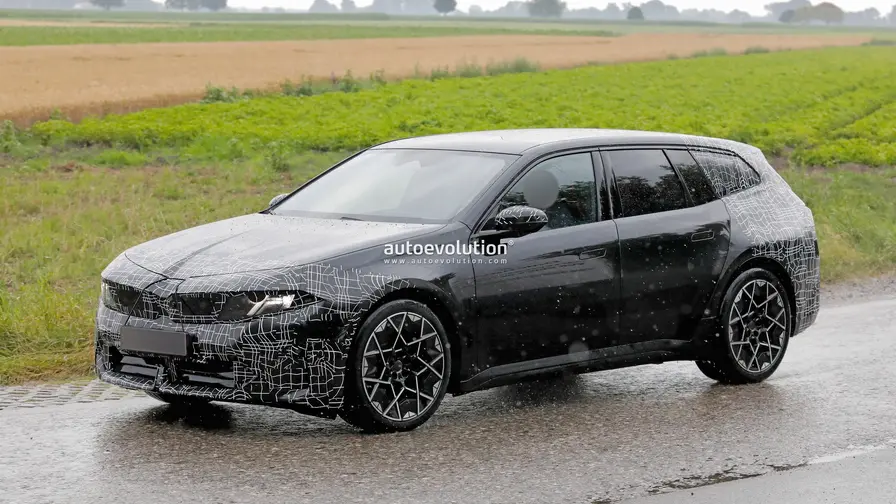
BMW’s i3 Touring looks less like a radical new car and more like a thoughtful extension of the i3 concept: same front end, same interior DNA, longer roof and a tailgate that boosts usability. Expect a 2027 debut and a model that nudges the compact electric segment toward greater practicality rather than pure novelty. For buyers the question will be simple: do you want a compact EV that hauls more? BMW seems ready to say yes.

“Cars are evolving faster than ever. I cover electric vehicles, smart mobility, and the future of transportation worldwide.”

Discussion
Leave a Comment
Comments (2)
Meh, Touring makes sense but is BMW gonna keep the same battery pack sag? WLTP 423 sounds optimistic, in cold weather that will drop fast, right?
Wow didn't expect BMW to make the i3 a proper wagon. Practical, cute, but i worry about real range with all that extra glass and weight.