
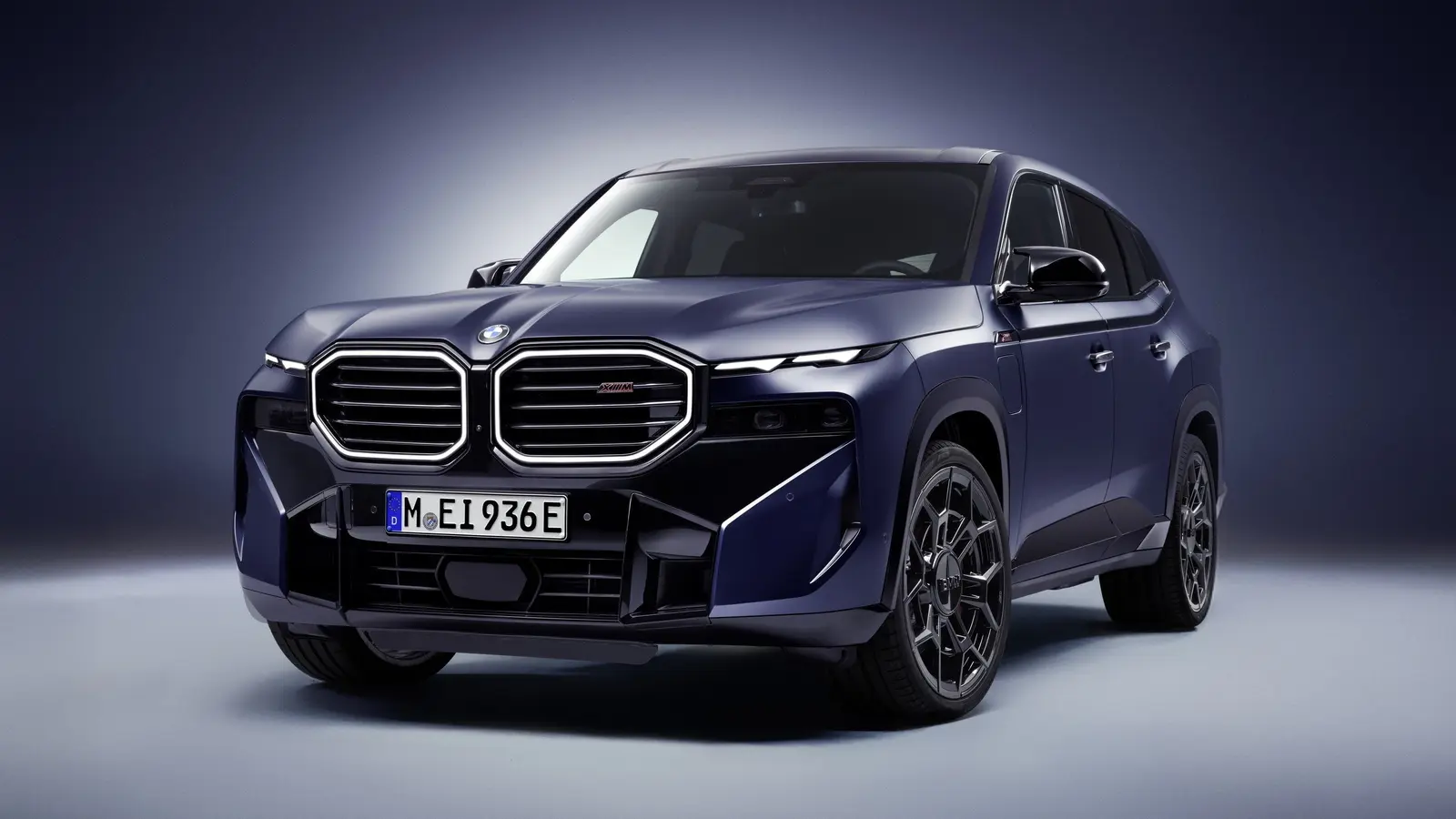
Picture a hulking BMW with a V8 heart and a polarizing face, rolling off the line in Spartanburg and dividing enthusiasts from day one. That car is the XM, and today it sits squarely in the crosshairs of BMW’s ruthless cost review.
Why a halo model suddenly looks expendable
Executives are pruning. Jobs are being cut. Niche models are being re-evaluated. Those are blunt facts from people inside the company, which helps explain why a vehicle like the XM is under pressure. It exists as an M Division standalone, expensive to produce and, critics say, awkward to sell. Sales in China—always a bellwether for premium brands—haven’t been strong. Put those pieces together and the business case starts to wobble.

XM by the numbers
Think big. The XM stretches just over 5.11 meters long with a wheelbase of 3.105 meters, tipping the scales at roughly 2,750 kilograms. Under the bonnet sits a 4.4-liter TwinPower Turbo V8 assisted by an electric motor. Output officially reads 738 brake horsepower and 1,000 newton meters of torque, routed through BMW’s xDrive all-wheel-drive system and an eight-speed ZF gearbox. Sprint to 97 kph (0 to 60 mph) is rated at about 3.6 seconds, with a top speed limited to 250 kph.
Price matters too. In the United States the XM’s sticker sits around the equivalent of €148,400, while the X5 M and X6 M undercut it by some margin at roughly €121,800 and €126,600 respectively. That pricing gap forces a hard question: why buy an oversized, high-cost halo SUV when similarly rapid alternatives cost less and, to many eyes, look better?

Styling is subjective. But in the showroom and online forums the XM has been a lightning rod. For some it’s a bold experiment; for others it’s an awkward compromise—too heavy, too pricey, too niche. And in lean times, awkwardness becomes a liability.
Other models on thin ice
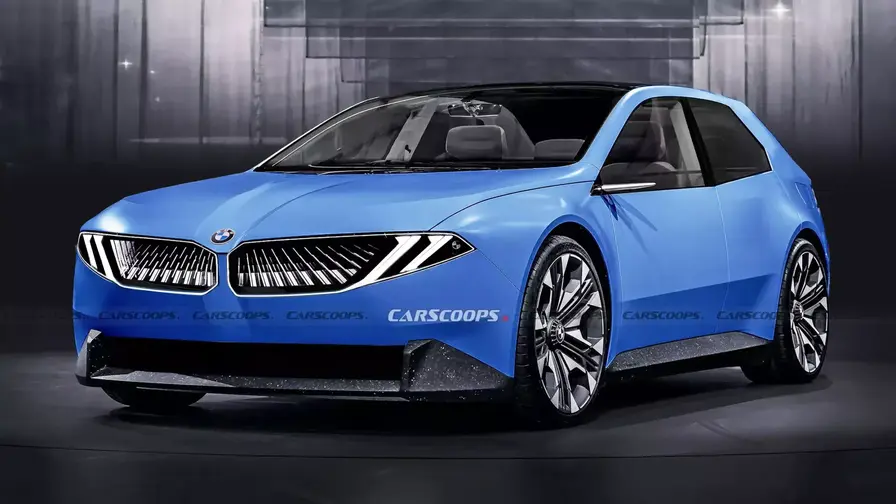
BMW’s cuts don’t stop at the XM. The i4 electric sedan, introduced in 2021, may not be renewed as the company pivots into the Neue Klasse era. The new i3 Sedan occupies much of the same electric-sedan territory with more modern architecture, making two overlapping models redundant. Strategy and platform efficiency are blunt tools right now.
The 8 Series is also reportedly under review. There was industry chatter about shifting the next-generation 8er to Alpina, but internal sources say that plan has lost traction. The 8’s graceful lines and strong driver appeal would make its retirement painful for enthusiasts, yet the economics of carrying a low-volume grand tourer into a new platform cycle are complicated.

So what are we really looking at? A company choosing where to invest in electrification, where to simplify its portfolio, and where to cut models that no longer fit the profit or platform story. BMW’s brand cachet was built on a mix of mainstream winners and a handful of halo cars. In a squeeze, halos are the first to be judged.
Will the XM, i4, and 8 Series disappear? Possibly. Timing is unclear. No official shutdown date is public. But the strategic logic is easy enough to read: reduce complexity, focus on scalable platforms, and prioritize vehicles that sell in volume across major markets.
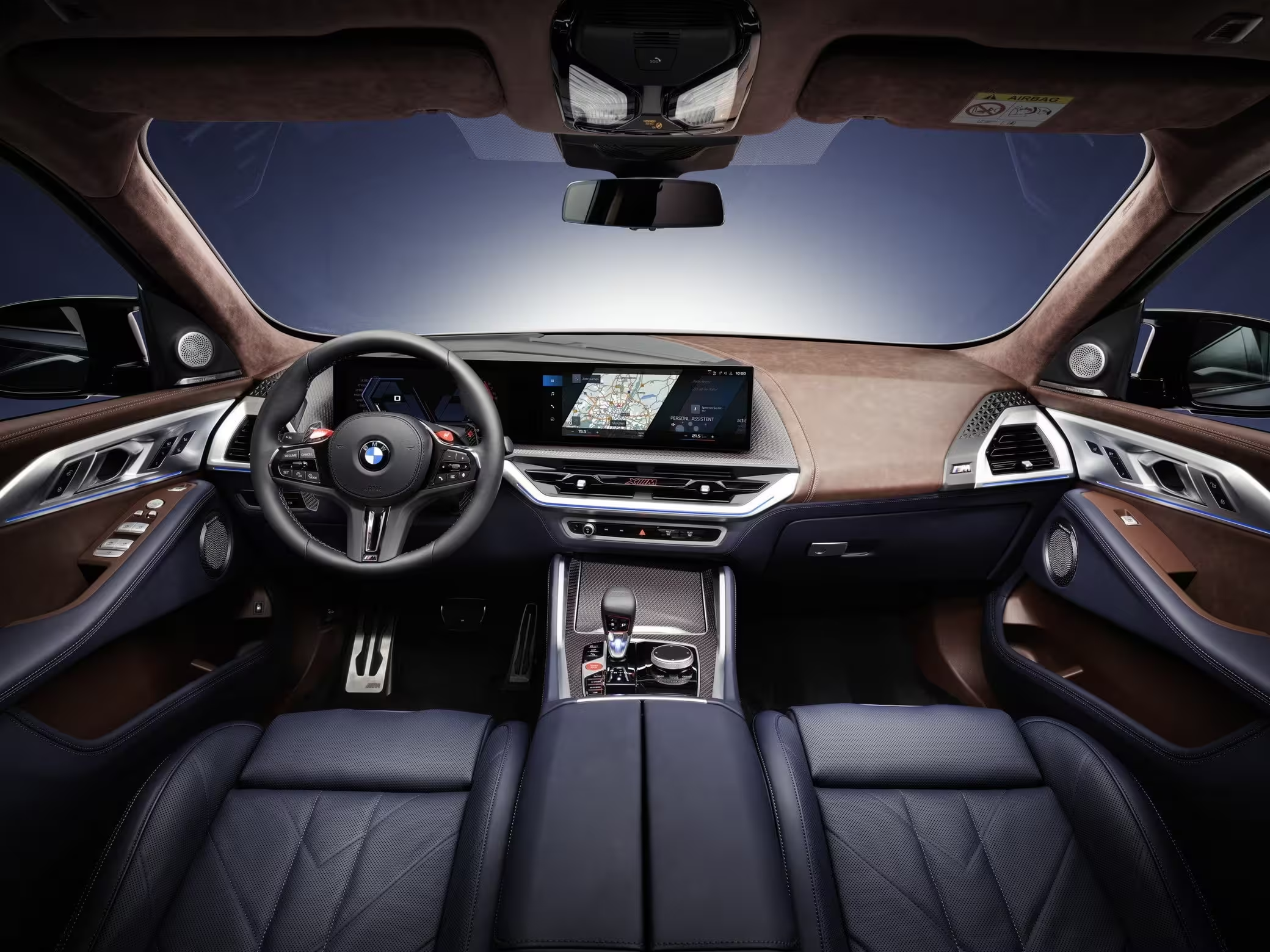
If you love the 8 Series for its looks and balance, you’ll be worried. If you think the XM never quite earned its price tag, you might shrug. What matters is this—BMW is at a crossroads. Choices made now will reshape the brand’s next decade.
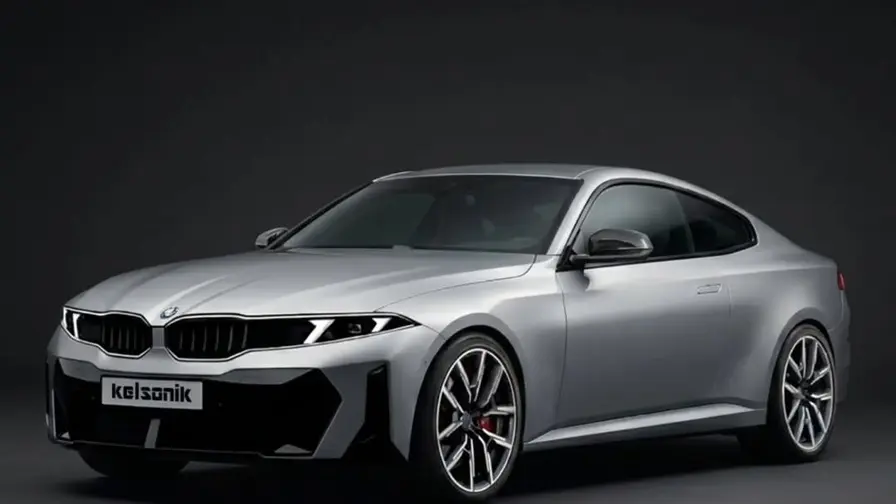
What would you miss? The raw sound and size of the XM, the clever packaging of the i4, or the 8er’s long, low silhouette? Drop a thought and tell us which model you’d mourn.

“Cars are evolving faster than ever. I cover electric vehicles, smart mobility, and the future of transportation worldwide.”

Discussion
Leave a Comment
Comments
No comments yet. Be the first.