
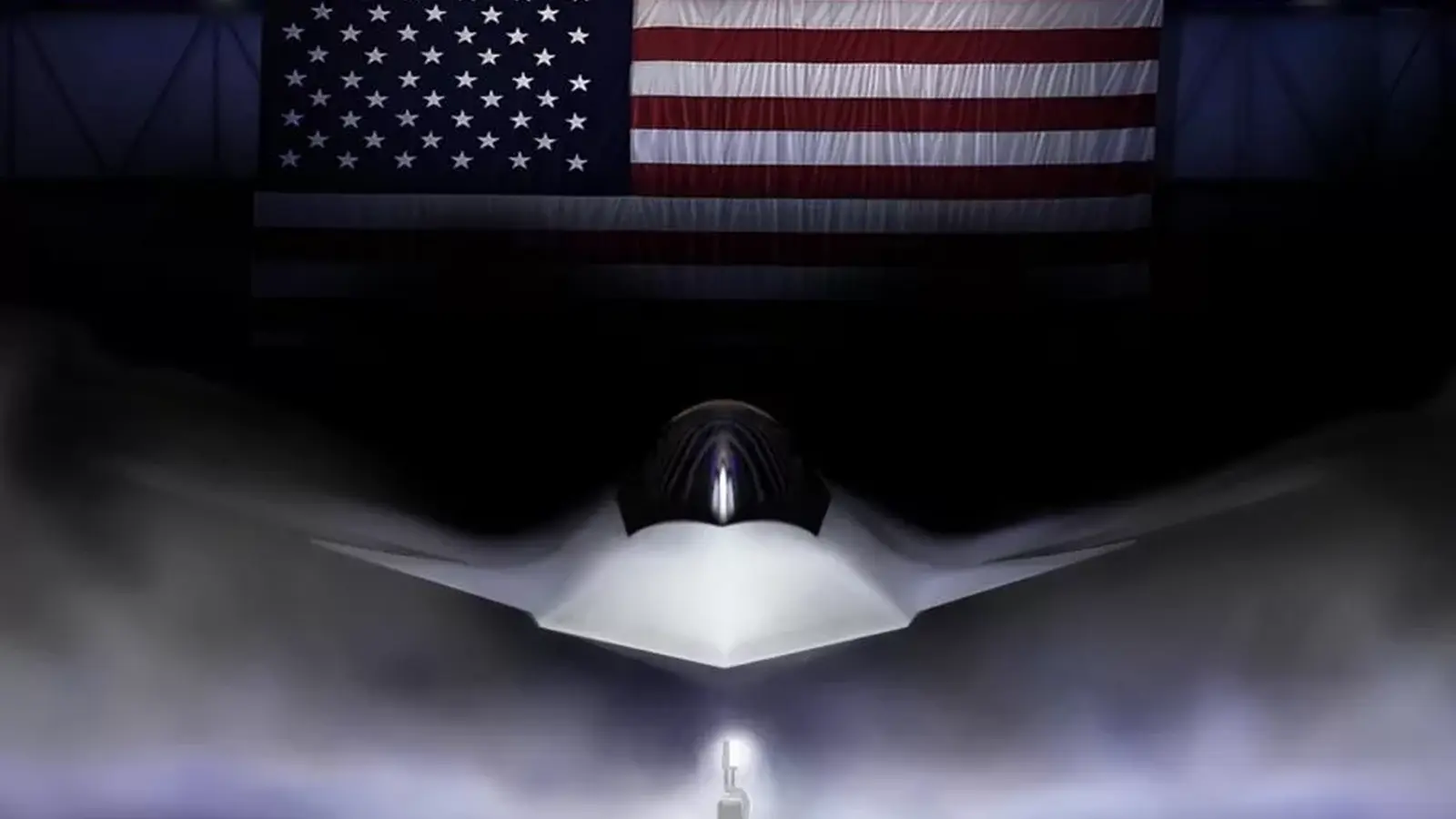
The smell of fresh composite and jet fuel is already in the hangar. Engineers are huddled around CAD screens, timelines pinned to whiteboards, and a prototype frame is taking shape. Boeing has quietly moved from design sketches to metal and machines on the F-47, the aircraft set to become the centerpiece of the U.S. Next Generation Air Dominance effort.
What the F-47 actually is, and why it matters
This is not a faster F-22. It is a different breed of combat aircraft: a crewed command node built to lead a digital swarm. Instead of acting alone, the F-47 will orchestrate a network that includes autonomous wingmen, space assets, airborne sensors, and hardened communications—essentially a flying brain that pushes decision-making and weapon effects across the battlespace.
Boeing has begun assembling prototypes so engineers can validate the airframe, propulsion packaging, stealth shaping, software stability, and weapons integration. The goal is blunt and specific: a first flight in 2028. That schedule, military officials say, remains on track.
Replacing the F-22, which entered service in 2005 and still ranks among the world’s most capable fighters, the F-47 focuses less on one-on-one dogfights and more on distributed lethality. Think of it as a conductor rather than a soloist.
Autonomous collaborative aircraft, often called collaborative combat aircraft or loyal wingmen, are a cornerstone of the concept. These unmanned platforms are designed to fly alongside a manned F-47 and can take on missions ranging from reconnaissance and electronic attack to decoy operations and kinetic strikes, all under the pilot’s direction. The human-machine team concept cuts risk in dense, contested environments and expands options without throwing pilots into untenable danger.

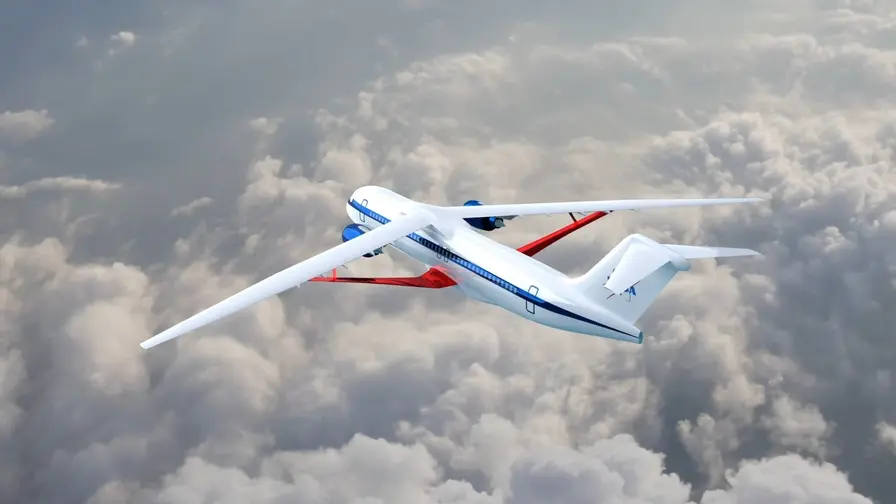
Range and endurance were clearly prioritized. Planners looked at the Indo-Pacific theater where bases are far apart and logistics are stretched. The result: an aircraft with longer reach than today’s fighters, able to carry more fuel and modern weapons farther from friendly airfields.
One of the headline technologies is adaptive cycle engines that can alter internal airflow depending on mission demand. Need a burst of thrust for takeoff or an aerial engagement? The engines deliver. Cruising for long transit legs? The cycle shifts to reduce fuel burn and dramatically extend range.
Artificial intelligence is woven into the ship’s nervous system. AI will sift sensor data, prioritize threats, and coordinate tactics with unmanned assets. How that decision aid looks in the cockpit, and how much autonomy commanders will allow, remains tightly controlled. Many performance numbers—top speed, combat radius, radar capabilities, and weapons loads—are still classified. Even so, Gen. Dale White, director of major weapons systems for the Air Force, has stated the program will see flight during the current administration.
Practical engineering now occupies center stage. Integrating a complex airframe with power-dense engines and massive onboard computing is a new kind of jigsaw puzzle. Every interface matters: cooling for processors, electromagnetic compatibility for sensors, and the swallow of space for fuel versus weapons versus avionics. Early prototypes will be laboratory platforms in the sky, used to refine aerodynamics, signature management, and system harmony.
The wider picture is strategic. Nations planning operations across vast oceanic and littoral expanses force designers to prioritize persistence, distributed sensing, and resilient networks. The F-47 is an answer to that challenge: a platform meant to extend reach, coordinate distributed forces, and complicate an opponent’s targeting problem.
Questions remain. How many prototypes will be built? What rules will govern AI in lethal decision loops? How will logistics and sustainment be handled for such a complex system in forward theaters? For now, the visible facts are simple and striking: Boeing is building prototypes, integration work is underway, and a first flight is targeted for 2028.
Expect more glimpses in the coming months. The prototype phase is where ideas either survive the heat or wither. For now, the F-47 looks less like a lone fighter and more like the future spine of networked air combat.

“I cover automotive innovation, electric vehicles, and the future of mobility — where technology meets sustainability.”

Discussion
Leave a Comment
Comments
No comments yet. Be the first.