
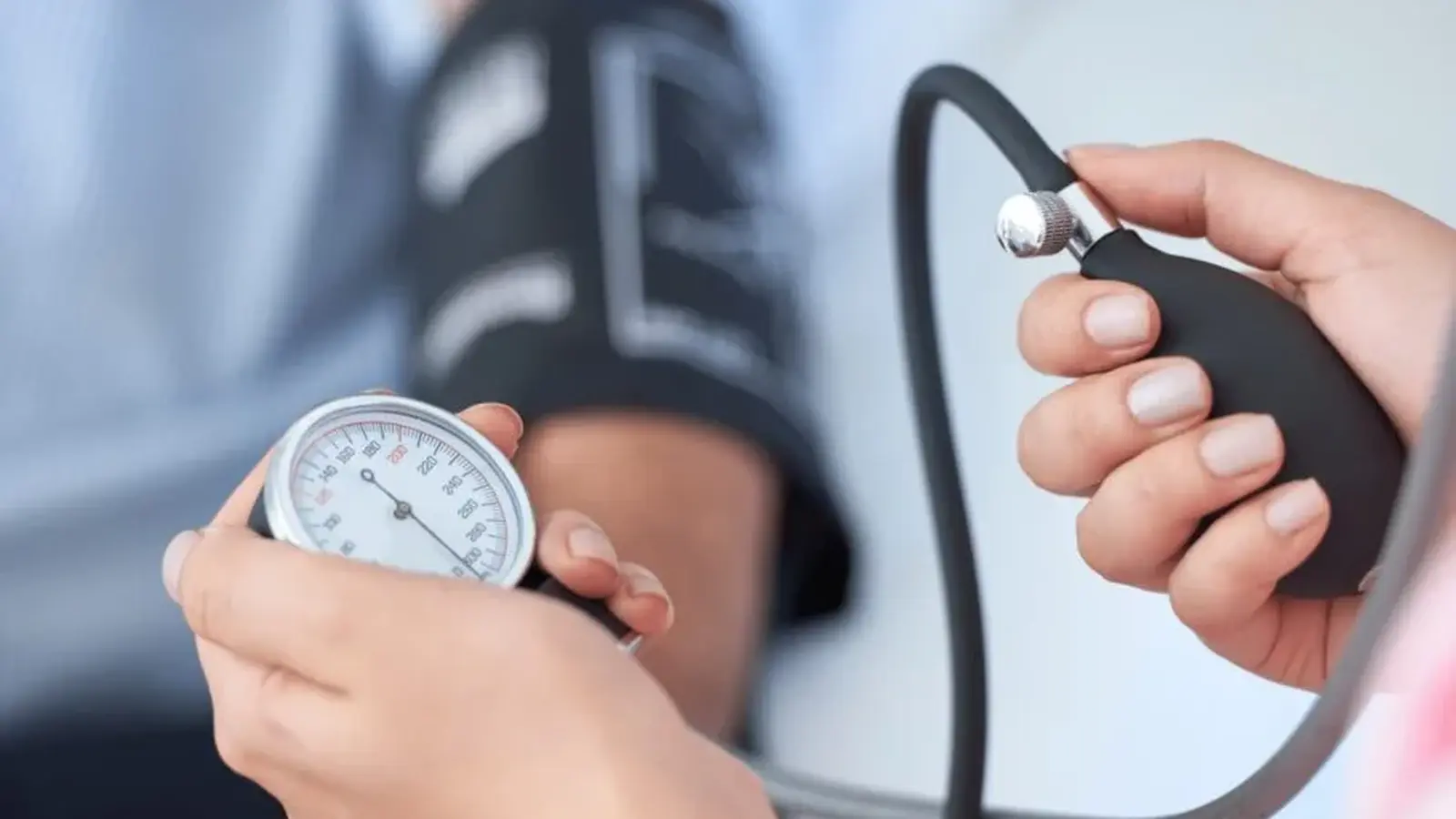
They look well. They go to work, run errands, and live ordinary lives. Yet for roughly one in three adults in the United Kingdom, undetected high blood pressure is quietly accumulating risk.
Researchers at the University of Oxford analyzed health records from about 1.4 million people across the UK and found that 37 percent of adults meet the World Health Organization definition of hypertension: a systolic reading of 140 mmHg or higher, or a diastolic reading of 90 mmHg or higher. The numbers shift dramatically with age. Just 15 percent of people aged 18 to 39 have high blood pressure, while the proportion rises to 71 percent among those aged 80 and older. After adjusting for age, the study reported that 42 percent of men and 29 percent of women are affected.
Where the system is losing ground
Perhaps the most alarming finding is awareness. Nearly three out of five people who met the study's criteria for hypertension had not been told by a clinician that they had the condition and were not taking blood pressure medication. That is 59 percent of people with elevated readings who remain unaware. Even among those already on treatment, control is far from assured. About half of participants taking at least one antihypertensive drug still recorded readings at or above 140/90 mmHg, the threshold used in the study.
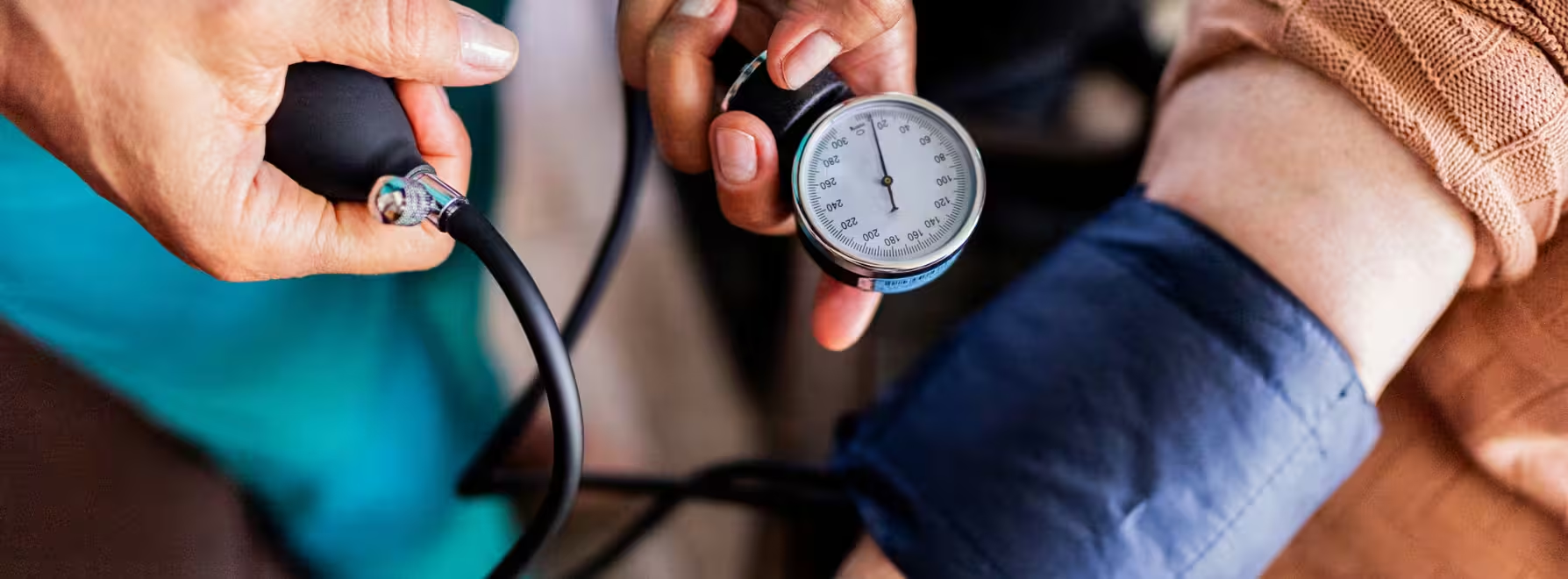
The Oxford team describes high blood pressure as a silent killer for good reason. It is the single most important modifiable risk factor for cardiovascular disease and is linked to roughly half of heart attacks and strokes in the UK. Millions are living with unmanaged cardiovascular risk, and each missed diagnosis represents a lost opportunity for prevention.
'Existing clinical guidance is clear, but implementation is uneven,' the authors write. 'Our findings suggest that identification and management strategies need urgent reassessment to close the gap between what guidelines recommend and what happens in practice.' The message is blunt: detection without effective follow-up does not reduce harm.
So what can change? Simple measures matter. Routine checks in primary care, opportunistic screening in community settings, and wider use of validated home blood pressure monitors can pick up people who slip through clinic-based screening. For those on medication, proactive titration and combination therapy—guided by repeated measurements rather than a single clinic reading—improve the chances of reaching target blood pressure.
Lifestyle interventions remain foundational: sodium reduction, regular physical activity, moderation of alcohol intake, and weight management lower blood pressure across populations. But public health action and system-level changes are also needed. That means clearer pathways for diagnosis, better follow-up after an elevated reading, and incentives for achieving control rates that reflect modern evidence.
The study, published in BMJ Public Health, uses a massive dataset to spotlight an avoidable health burden. It underlines a simple but urgent fact: detection matters, and so does what happens after detection. If health services fail to act, the risk stays alive—and so do the consequences.

“The cosmos has always fascinated me. I write about space missions, astronomy, and the technologies pushing humanity beyond Earth.”

Discussion
Leave a Comment
Comments (2)
Is that 71% over 80 really correct? Seems high, maybe from single clinic readings. Need more on methodology, sample bias...
Wow, didn't expect that... 59% unaware? that's terrifying. If GPs arent checking, people need home monitors. Also, why is follow up so bad??