
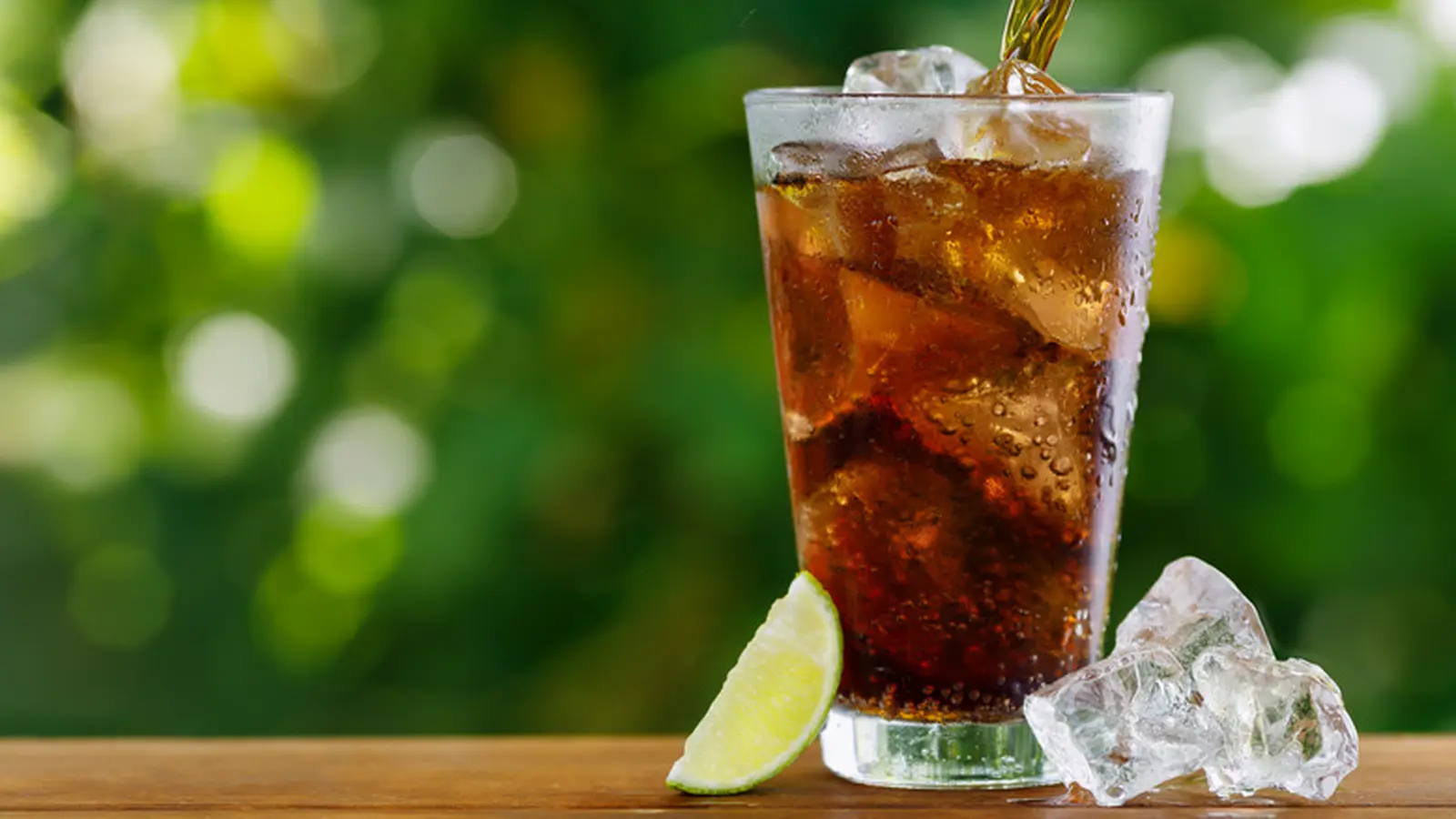
Open the fridge. Two options glare back: a bottle of plain water and a can promising sweetness with almost no calories. Which helps you keep weight off longer? For years, that simple swap has been argued over in kitchens, clinics, and policy debates. Now a long-running randomized trial gives one of the clearest answers yet.
What the researchers actually tested
In a pragmatic, two-year experiment, University of Liverpool investigators asked whether choosing commercially available diet beverages instead of water affects weight maintenance. Nearly 500 adults with overweight or obesity were randomly assigned to drink either water or a diet drink every day while they participated in a structured behavioral weight-management program. The trial ran for 104 weeks, giving researchers a window on both the supported phase of the program and a later year when participants managed their habits without ongoing assistance.
Key design points
- 493 participants enrolled and stayed in the trial long enough to provide meaningful follow-up.
- Diet beverages used common non-nutritive sweeteners: aspartame, acesulfame potassium, and sucralose.
- Sweetener intake remained well within the safety thresholds set by the European Food Safety Authority.
- All participants received the same behavioral support, so differences would reflect the beverage choice rather than differences in counseling.
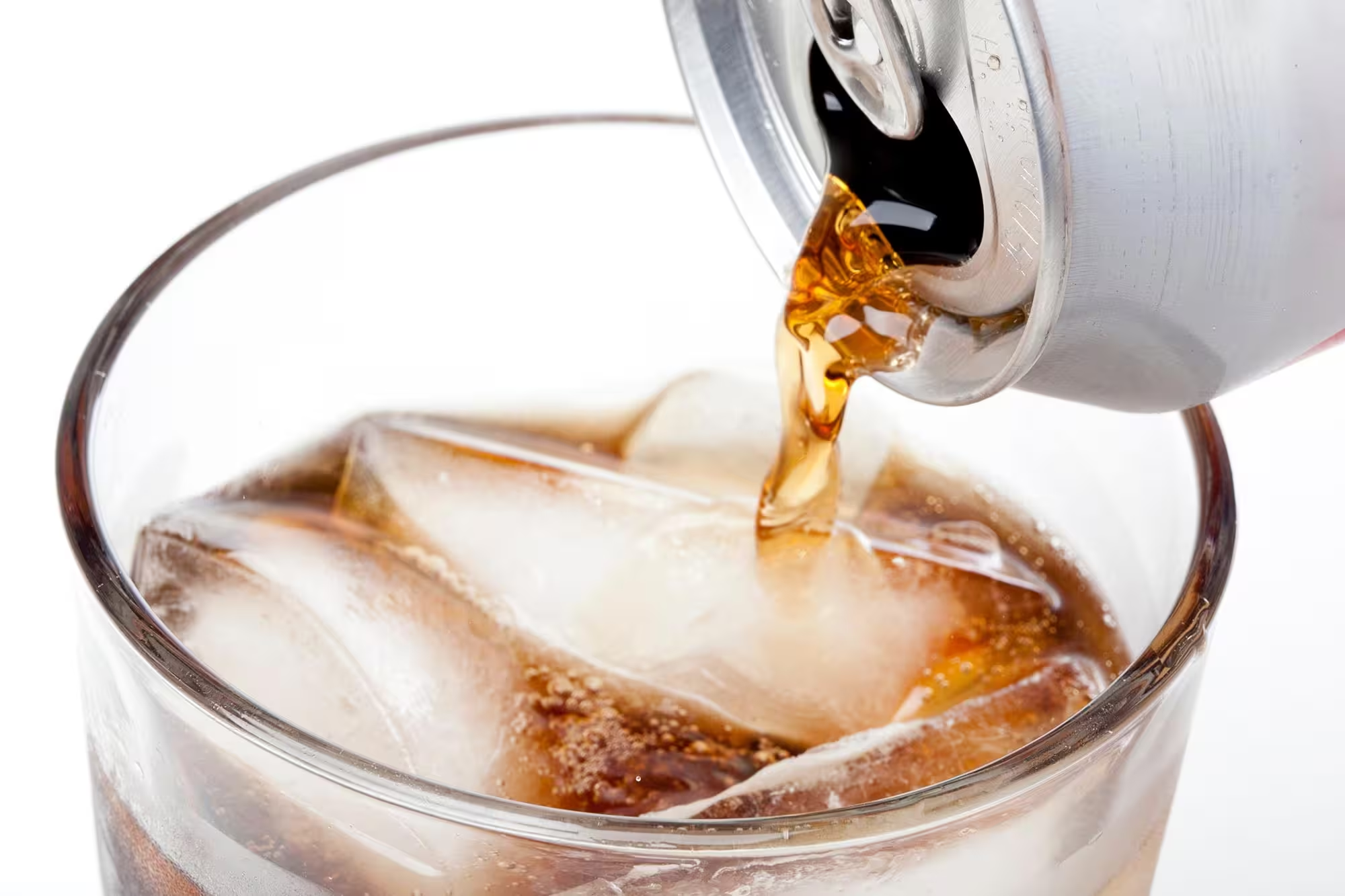
Randomization and long follow-up matter. Observational studies can hint at associations, but they cannot untangle cause and effect. This trial tested the substitution idea head-on: replace sugary soda with diet drinks, and see whether those artificial sweeteners sabotage appetite control or metabolic health over time.
What the trial found — and what it didn’t
After two years both groups had lost weight and kept most of it off. On average, the diet beverage group lost 4.8 kilograms, while the water group lost 3.7 kilograms. Those differences were small and not statistically significant. Waist and hip circumferences fell in both arms. Measures of body composition and several metabolic indicators improved across the board. Blood pressure and cholesterol showed no clinically meaningful gaps between groups.
Consumption of added sugar dropped for everyone, and reductions were slightly larger among participants assigned to diet beverages. Importantly, researchers found no evidence in this trial that low- or no-calorie sweeteners disrupted appetite control or produced metabolic harm when used as part of a wider behavioral program. The study’s authors emphasize that the drinks were one element within a supported weight-loss strategy, not the sole cause of change.
The trial extends earlier SWITCH findings published in the International Journal of Obesity and reports the long-term outcomes in the British Journal of Nutrition. The American Beverage Association provided funding, but the research team maintained independent control over analysis and reporting.
Why this matters for public guidance
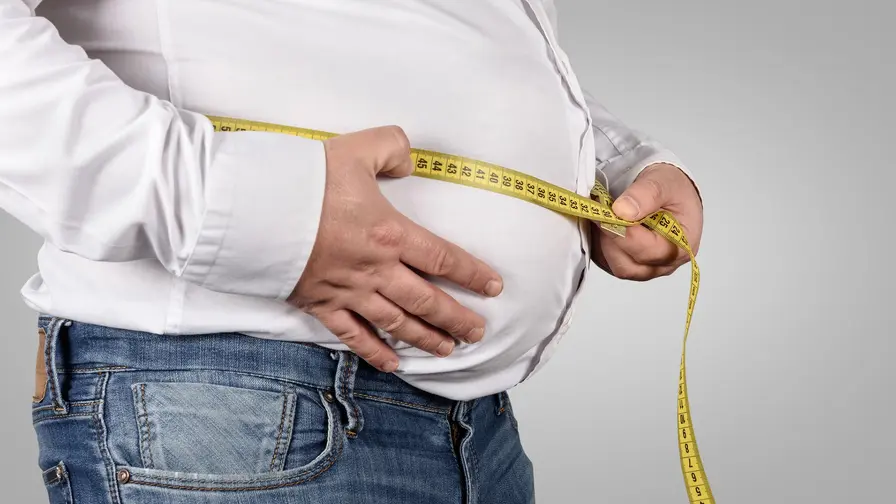
Public health bodies have been cautious. The World Health Organization has previously advised against non-sugar sweeteners for weight control, citing inconsistent observational evidence. Randomized trials offer firmer footing. By assigning beverage exposure and tracking outcomes for two years, this study fills a gap that shorter or non-randomized studies could not.
For clinicians and people trying to manage weight, the practical takeaway is straightforward: when combined with behavioral support, switching sugar-sweetened beverages to non-nutritive sweetened options appears to perform as well as choosing water over the same period. That does not mean diet drinks are a magic bullet. They are a tool—useful for some individuals and contexts, less so for others.
Expert Insight
"Long-term adherence is the real test," says Dr. Elena Morris, a registered dietitian and weight-management researcher unaffiliated with the trial. "If a low-calorie sweetened drink helps someone reduce sugar intake and stick with a healthier pattern, then it has value. But the beverage swap must sit inside a broader behavior plan—otherwise gains fade."
Her comment echoes the trial’s central theme: context matters. The drinks were embedded in counseling and habit-change work that likely amplified their benefit.
Conclusion
This two-year randomized trial suggests that, when paired with behavioral weight-management support, commercially available diet beverages deliver weight-loss maintenance comparable to water. The results challenge the idea that non-nutritive sweeteners inherently disrupt appetite or metabolic health over a prolonged interval. Policymakers and guideline authors will weigh this stronger experimental evidence alongside other studies, but for individuals and clinicians the finding offers a pragmatic option: replacing sugary drinks with low-calorie alternatives can be an effective part of a sustained weight-management strategy.
Crucial takeaway: in a long-term, controlled setting, choosing diet drinks over water did not worsen outcomes and matched water for maintaining weight loss.

“The cosmos has always fascinated me. I write about space missions, astronomy, and the technologies pushing humanity beyond Earth.”

Discussion
Leave a Comment
Comments
No comments yet. Be the first.