
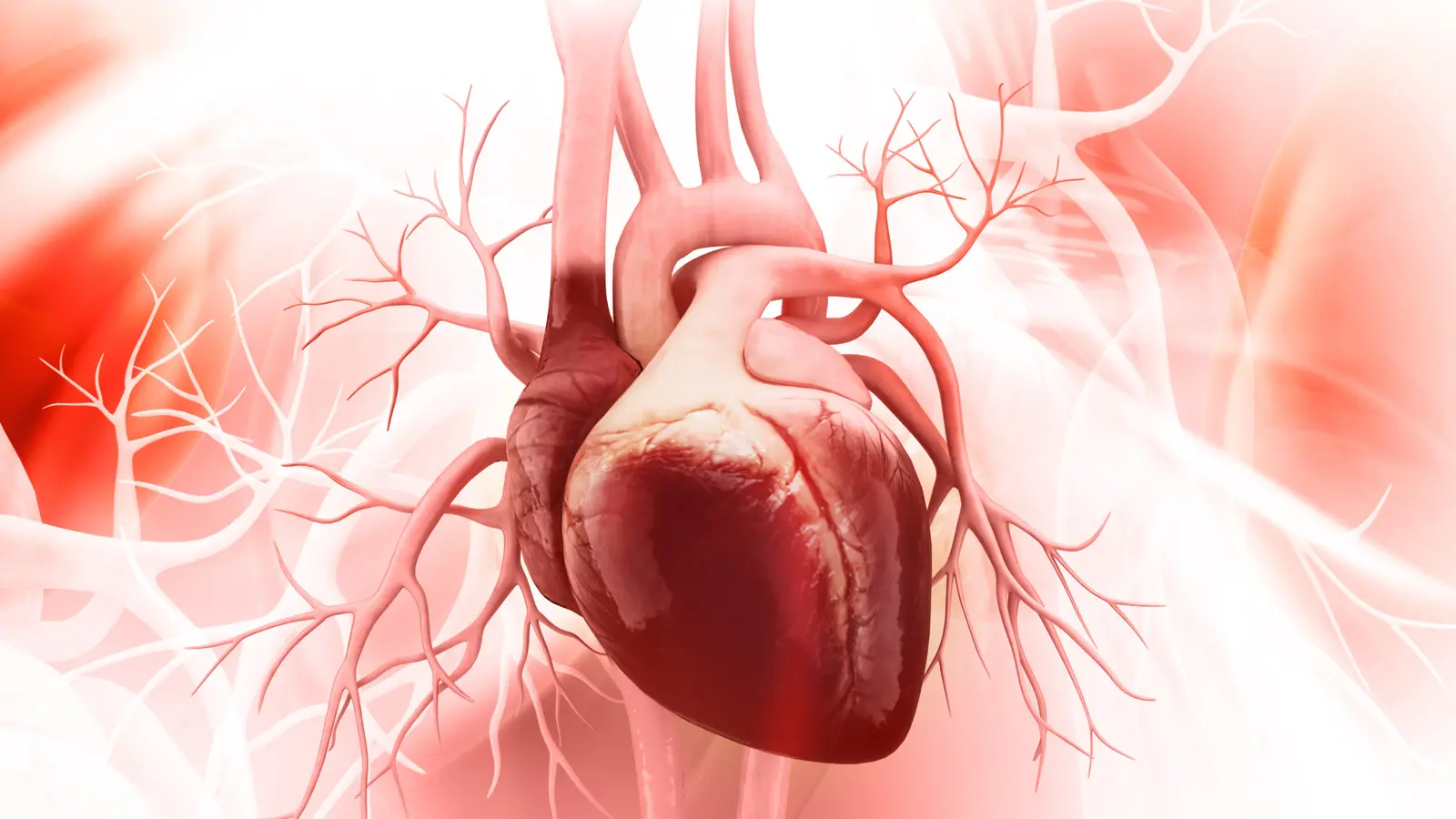
A grocery cart can tell a story. Two shoppers both leave with five different fruits and vegetables. One will likely lower their heart disease risk more than the other. That difference comes down to tiny plant molecules called flavanols, and a new multinational analysis suggests most people are simply not getting enough of them.
A large international study suggests that the benefits of fruit and vegetable consumption may depend not only on quantity but also on the specific foods people choose.
Why choice matters as much as quantity
Health advice has long been simple and memorable: aim for five portions of fruit and vegetables each day. It works as a public message. But science often lives in the details. Flavanols are natural compounds found in many plants that appear to support blood vessel health, influence blood pressure, and reduce inflammation. Emerging evidence links higher flavanol intake to lower cardiovascular mortality. The catch is that not all produce delivers the same dose.
Researchers from the University of Reading, Harvard Medical School, the University of California, Davis, and industry partner Mars, Inc. combined dietary questionnaires and biomarker analyses from more than 30,000 participants across the United Kingdom and the United States. Biomarkers are biochemical footprints in blood or urine that reflect what a person actually consumed and absorbed, offering a more objective snapshot than recall-based surveys alone.
The headline finding was stark. Fewer than one in five people had biomarker levels corresponding to flavanol intakes associated with the cardiovascular benefits reported in earlier clinical trials. In other words, many people meet the five-a-day target but still fall short of flavanol levels that research suggests are protective.

Which foods deliver the biggest flavanol payoff
Not all fruits and vegetables contribute equally to flavanol intake. The study highlights a handful of items that punch well above their weight. A single small serving of these foods can add substantially to your daily flavanol total.
- Plums, 500 g (17.6 oz, roughly one punnet): approximately 450 mg of flavanols
- Cranberries, 250 g (8.8 oz, roughly one punnet): approximately 300 mg of flavanols
- Blackberries, 200 g (7.1 oz, roughly one punnet): approximately 250 mg of flavanols
- Green tea, one 250 ml cup (8.5 fl oz): approximately 200 mg of flavanols
- Broad beans or fava beans, 80 g (2.8 oz, a small handful): approximately 140 mg of flavanols
- Cherries, 400 g (14.1 oz, roughly one punnet): approximately 130 mg of flavanols
- Apples with skin, 200 g (7.1 oz, one medium apple): approximately 110 mg of flavanols
- Strawberries, 200 g (7.1 oz, roughly one punnet): approximately 90 mg of flavanols
- Blueberries, 150 g (5.3 oz, roughly one punnet): approximately 80 mg of flavanols
- Pinto beans, 40 g (1.4 oz, two tablespoons dry): approximately 70 mg of flavanols
Earlier clinical trials, including the large COSMOS trial, used a daily flavanol dose around 500 mg and found measurable reductions in deaths from cardiovascular disease. This latest population analysis suggests that typical dietary patterns fall short of that benchmark, even when people report eating a healthy number of fruit and vegetable portions.

How researchers measured the flavanol gap
Relying only on food frequency questionnaires can misrepresent actual intake. People forget portions and underestimate sauces, snacks, or beverages. To reduce that noise, the teams measured specific metabolites tied to flavanol consumption. These biomarkers reveal the bioavailable amount of flavanols circulating after digestion and absorption, which matters for biological effect.
Lead author Javier Ottaviani explained that the presence of flavanol metabolites in blood is a clearer signal of potential benefit than a checklist of foods. He noted that a handful of berries, an apple with skin, or a cup of green tea alongside meals could significantly shift a person’s flavanol profile and move them closer to levels shown to be heart-protective.
Professor Gunter Kuhnle of the University of Reading commented that the five-a-day message remains sound, but it could be sharpened. Different plant foods supply distinct suites of bioactive compounds beyond vitamins and minerals. Targeted advice could help people achieve specific health goals more reliably.
Expert Insight
Dr Eleanor Hayes, a nutrition scientist not involved in the study, said: "This work helps bridge clinical results and everyday eating. It shows that for certain outcomes, like reducing cardiovascular risk, the composition of your plate matters as much as the count. Small changes, such as swapping a plain snack for a cup of green tea or choosing berries more often, are practical steps anyone can take."
What this means for public guidance and future research
Public health campaigns trade nuance for clarity. 'Five-a-day' is memorable. Still, when new evidence accumulates about the role of flavanols and other phytochemicals, guidance can evolve to include examples of high-flavanol choices that are affordable and accessible. Future research will need to explore whether tailored recommendations can be implemented at scale without confusing the core message.
There are also practical questions for food science. Can food processing preserve flavanols? Do combinations of foods enhance absorption? And how do individual differences in gut microbiota affect the conversion of plant compounds into the metabolites that actually reach the bloodstream? These are active areas of inquiry.
Conclusion

Eating more fruits and vegetables remains a pillar of healthy diets. But if the goal is to tap the heart-protective properties of flavanols, quantity alone is not enough. Choosing certain fruits, legumes, and drinks like green tea can substantially raise flavanol intake. For clinicians, communicators, and consumers, the next step is translating these biochemical insights into simple, sustainable choices at the supermarket and at the table.

“The cosmos has always fascinated me. I write about space missions, astronomy, and the technologies pushing humanity beyond Earth.”

Discussion
Leave a Comment
Comments (3)
Practical question: who can afford plums, cranberries and fresh berries every day? good science, but policy needs to consider cost, access. still, smart nudge.
is this even true? biomarkers are neat, but Mars being a partner makes me skeptical. also 500 mg/day of flavanols seem hard to hit in real life...
wow, tea and berries > pills? never expected green tea to be that powerful... suddenly my snack drawer feels judged lol