
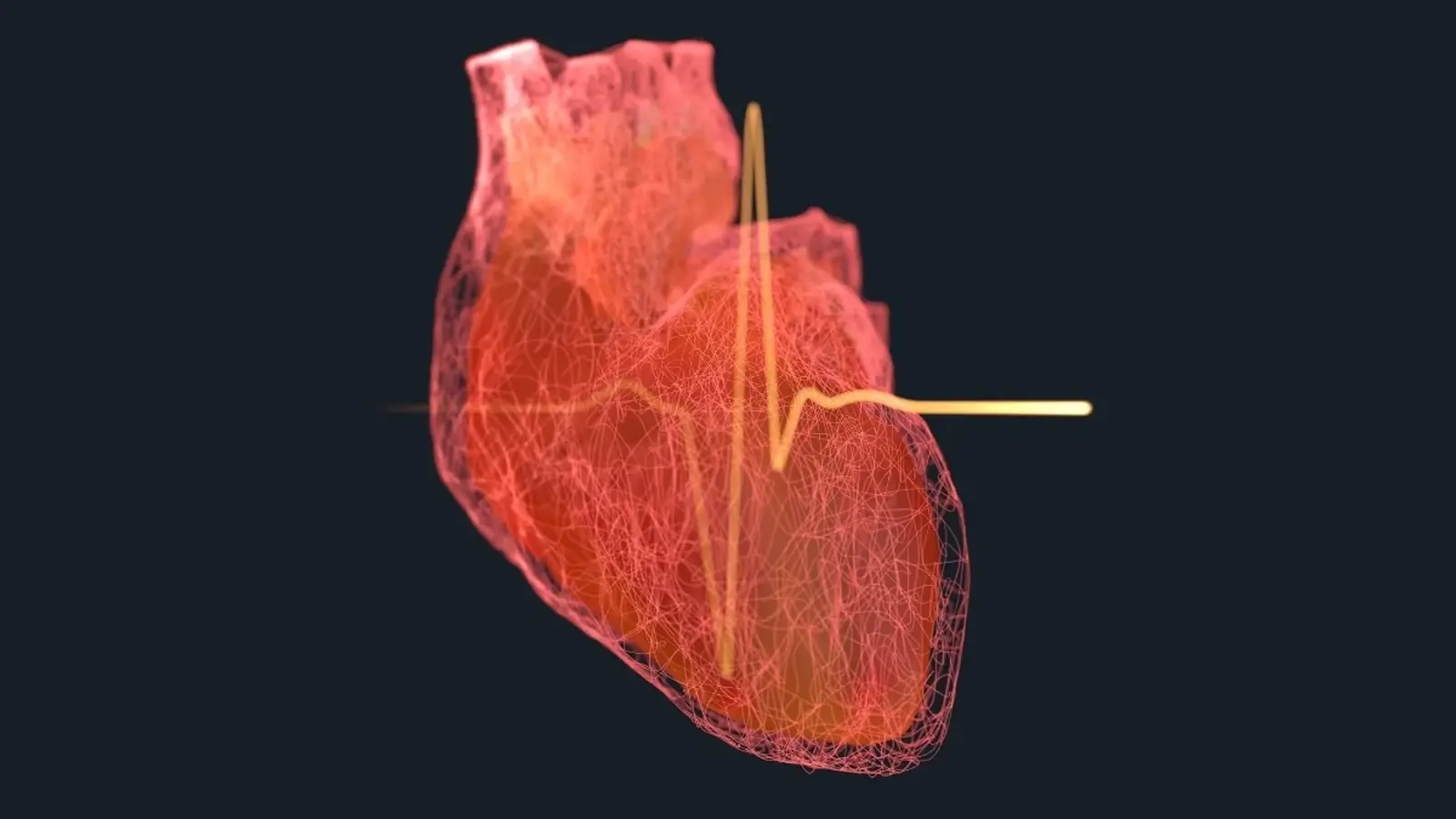
Most serious cardiovascular events do not arrive out of nowhere. They usually follow a trail of familiar health problems — and a large new analysis suggests that trail is nearly universal.
A clear pattern in millions of medical records
Researchers who pooled health data from more than 9 million adults across South Korea and the United States found that four modifiable risk factors preceded almost every major heart attack, stroke, or heart-failure event observed during long-term follow-up. The factors are high blood pressure, elevated cholesterol, raised blood sugar, and tobacco use, whether current or past.
Put together, those conditions were present before 99 percent of the cardiovascular events recorded in the study, which appeared in the Journal of the American College of Cardiology in 2025. Even among women under 60 — a group with relatively low absolute risk — more than 95 percent of serious cardiac events were linked to at least one of these risk factors.

High blood pressure stood out. Across both countries, more than 93 percent of people who went on to have a heart attack, stroke, or heart failure had been diagnosed with hypertension beforehand. That makes blood-pressure control a critical lever for prevention on a population scale.
Philip Greenland, a cardiologist at Northwestern University and a senior author on the paper, argues that these findings force a recalibration. The emphasis, he says, should be on getting better at managing the risk factors we can change, rather than hunting for exotic or untreatable causes.

A graphic depicting the study findings.
When a heart attack isn’t caused by clogged arteries

Not all heart attacks share the same underlying mechanism. For decades, atherothrombosis — a blocked coronary artery caused by plaque and a clot — was treated as the default explanation. But careful clinical reviews are revealing a more complex picture, especially for younger patients and women.
A separate study from the Mayo Clinic reviewed nearly 1,500 heart attacks in people aged 65 or younger and found that atherothrombosis accounted for three-quarters of male events but less than half of female events. Many women’s heart attacks were driven by other processes, including spontaneous coronary artery dissection (SCAD), embolism, and what clinicians call supply-demand mismatch secondary myocardial infarctions, or SSDMs. SSDMs happen when the heart’s oxygen needs exceed supply — for example during severe anemia, infection, or other physiologic stress — without a primary blocked artery.
Those distinctions matter. Treating a heart attack caused by a tear in the artery wall with the same strategy used for a blocked artery can be ineffective or harmful. As cardiologist Claire Raphael put it, understanding the root cause changes both immediate treatment and long-term prevention.
What this means for prevention and clinical care
The studies together point to two parallel priorities. First, aggressive detection and control of hypertension, high cholesterol, elevated blood sugar, and tobacco exposure remain the highest-yield public-health interventions. Small gains across those areas translate into large reductions in events.
Second, clinicians should refine diagnostic sweeps after an event. Imaging, careful record review, and attention to sex-based differences can reveal non-atherothrombotic causes that need tailored care. That approach may reduce recurrent events and avoid therapies that do more harm than good.
There is also a methodological lesson for researchers. Some earlier reports suggesting an increase in ‘unexplained’ cardiac events may have missed subtler or subclinical risk-factor exposure, or failed to detect non-obstructive causes. Better, more granular diagnostics and longer follow-up can close that gap.
Expert Insight
"The headline is deceptively simple: most major cardiac events follow the same four footprints," says Dr. Elena Rossi, a cardiologist and clinical researcher. "But the nuance is crucial. For population health, tighten blood-pressure and metabolic control. For individual care, ask why this particular heart attack happened, and tailor treatment accordingly. That two-track strategy will save lives."
Conclusion
The data are sobering and clarifying at once. On a societal level, the path to fewer heart attacks and strokes runs straight through blood-pressure clinics, smoking cessation programs, lipid clinics, and diabetes prevention. On the bedside level, better diagnostics and an eye for sex-specific causes will sharpen treatment and reduce harm. Both efforts are essential if we want fewer surprises and more recoveries when cardiovascular disease strikes.

“My work centers on sustainability, energy, and environmental science — examining how innovation can lead to a greener future.”

Discussion
Leave a Comment
Comments (2)
i treated a 52yo woman with 'heart attack' but no blockage, turned out to be SCAD. docs need to look deeper, one size fits not all
99% sounds wild, are they counting past smokers as same risk? seems like nuance lost, or am I missing something. blood pressure focus makes sense tho