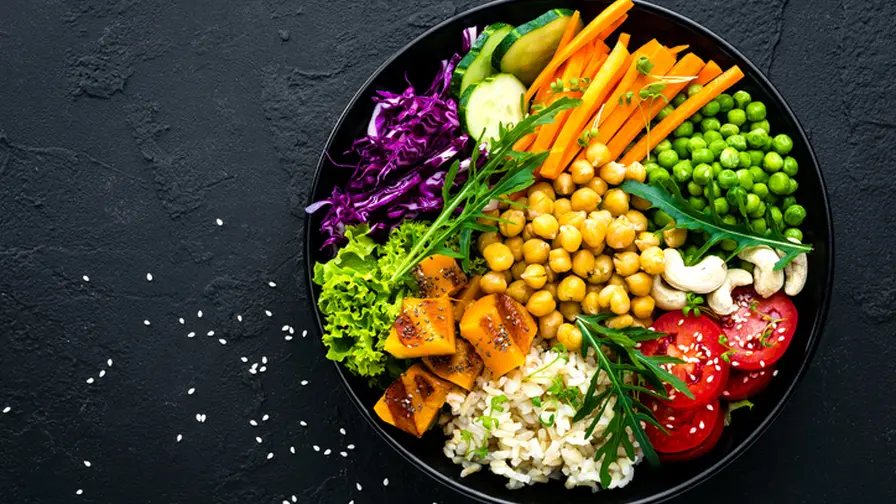
Read MoreOliver Hayes2026-05-282Better Plant-Based Diets Could Cut Alzheimer's RiskA large Neurology study links higher-quality plant-based diets with lower risk of Alzheimer’s and related dementias, while diets high in refined plant foods and sugars may raise risk. Practical swaps discussed.
Read MoreOliver Hayes2026-05-283How Everyday Hobbies Can Reduce Your Dementia Risk NowEveryday hobbies that combine mental challenge, movement and social contact can lower dementia risk. Learn which activities matter, why variety helps, and practical questions to choose sustainable hobbies.
Read MoreOliver Hayes2026-05-272How Sleep's Nightly Cleanup May Link Many DementiasResearchers propose that sleep quality and rhythmic brain chemistry may power a glymphatic cleaning system that links stress, heart disease, depression and aging to higher dementia risk. Improving sleep could be a practical prevention route.
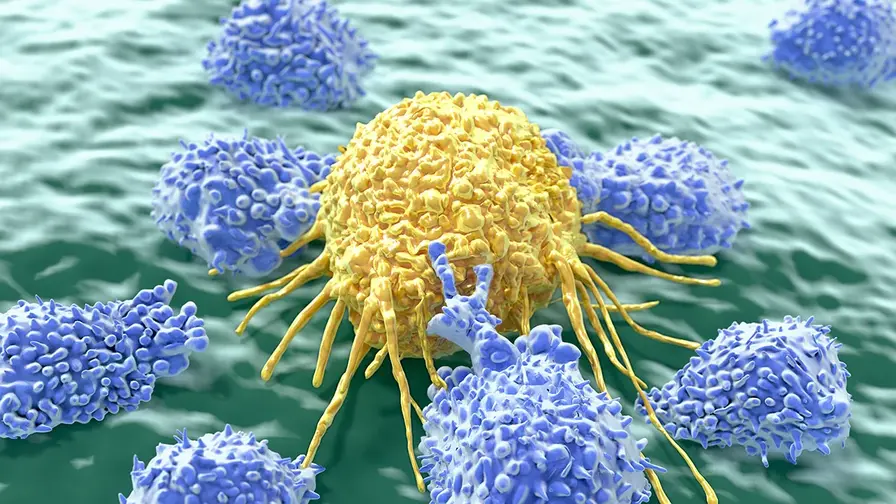
Read MoreOliver Hayes2026-05-272When Riboflavin Shields Tumors and How We Fight BackNew research shows vitamin B2 (riboflavin) fuels a protein that shields cancer cells from ferroptosis. A riboflavin mimic, roseoflavin, may expose that weakness and inform targeted therapies.
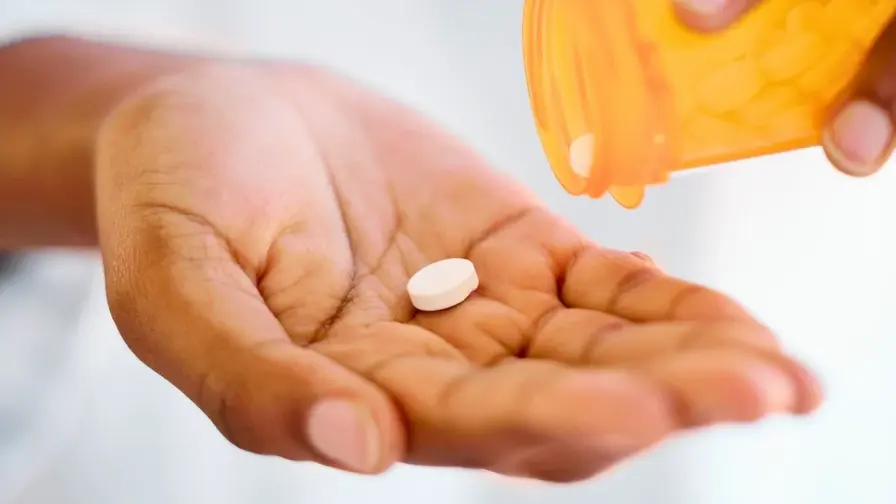
Read MoreOliver Hayes2026-05-262Common Diabetes Drug Linked to Exceptional LongevityA 2025 cohort analysis found that postmenopausal women with type 2 diabetes who began metformin had a lower risk of dying before age 90 than those who started sulfonylureas, prompting further study of metformin as a geroprotective agent.
Read MoreNora Schmidt2026-05-262Why Omega-3 Supplements Can Lower Aggression by 28%A meta-analysis of 29 randomized trials suggests omega-3 fatty acids can reduce aggressive behavior by up to 28 percent. This article explains the evidence, mechanisms, limitations, and practical implications.
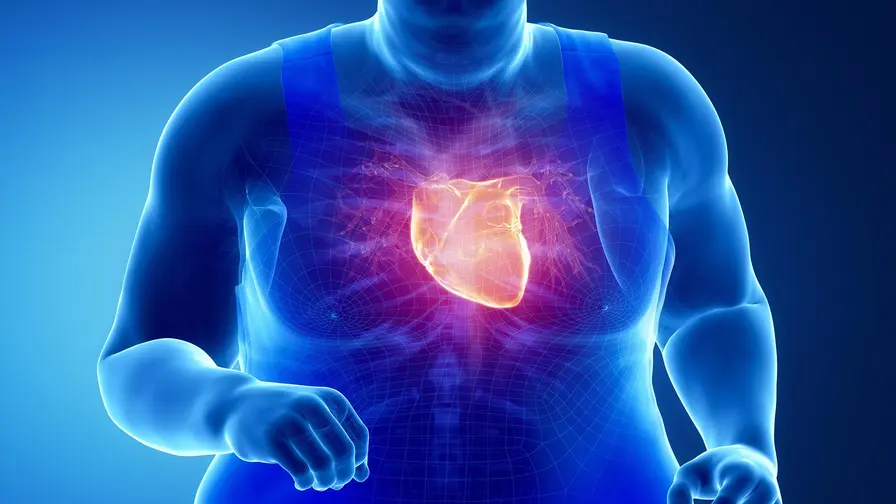
Read MoreNora Schmidt2026-05-262Adults May Need Four Times the Exercise for Heart HealthA large UK Biobank analysis suggests adults may need roughly 560-610 minutes of moderate to vigorous activity weekly - about four times current minimum advice - to cut cardiovascular risk substantially. Fitness level changes the required dose.
Read MoreNora Schmidt2026-03-033Viagra and Two Other Surprises in Alzheimer’s ResearchA Delphi-style expert review highlights sildenafil (Viagra), Zostavax, and riluzole as leading repurposed candidates for Alzheimer’s prevention—promising, but still awaiting robust clinical trials.
Read MoreOliver Hayes2026-02-282Molecular Blood Clock Predicts Alzheimer's Years AheadA new blood-based 'molecular clock' using p‑tau217 narrows Alzheimer's symptom onset to a 3–4 year window, aiding trials and research; currently useful at group level with future potential for individual prognosis.
Read MoreNora Schmidt2026-02-272A 1.2 Million-Child Study Reframes Vegan Infant GrowthA population-level analysis of 1.2 million Israeli infants finds that with proper planning and access to care, vegan and vegetarian diets can support normal growth through age two, narrowing early weight differences.
Read MoreNora Schmidt2026-02-272How a Single Genetic Switch Shapes Macrophages and OrgansResearchers identify MafB as a conserved genetic regulator that directs macrophage maturation and organ protection, linking cell identity to iron recycling, lung and kidney health, and potential therapies.
Read MoreNora Schmidt2026-02-272Shingles Vaccine May Slow Biological Aging in SeniorsNew research finds that the shingles (zoster) vaccine may slow biological aging in older adults by reducing chronic inflammation and epigenetic changes, with benefits lasting four years or more.
Read MoreOliver Hayes2026-02-272Forever Chemicals Linked to Faster Biological Aging in MenA reanalysis of NHANES blood samples links two PFAS compounds, PFNA and PFOSA, to faster epigenetic aging in men aged 50–64. The study raises questions about PFAS alternatives, sex-specific vulnerability, and regulatory gaps.
Read MoreOliver Hayes2026-02-27Vaccinating Children Against Typhoid: A Global LifelineTyphoid conjugate vaccines can prevent large shares of childhood infections and deaths. With WHO prequalification and early national rollouts, vaccination is a key tool to curb antibiotic-resistant typhoid and protect children worldwide.
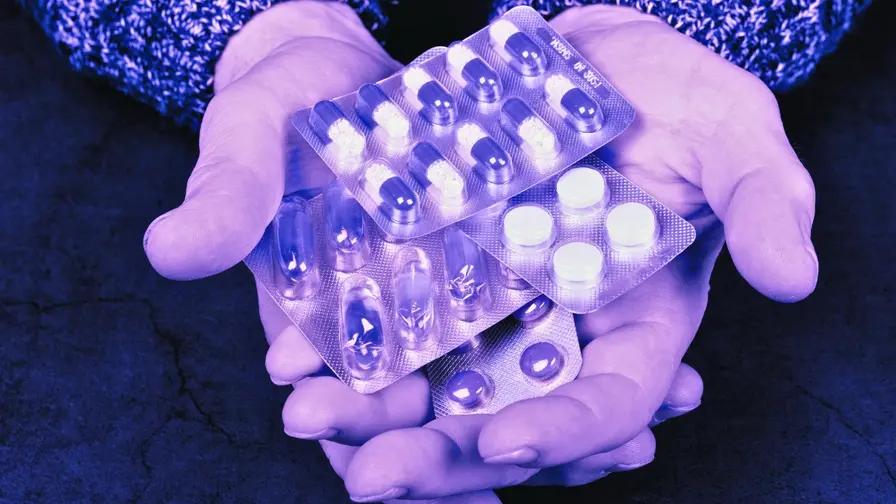
Read MoreNora Schmidt2026-02-262Five Common OTC Medicines That Can Carry Hidden RisksMost over-the-counter medicines are safe when used correctly, but several common remedies—including codeine, decongestants, sedating antihistamines, DXM cough syrups and stimulant laxatives—carry risks of dependence, rebound effects, or misuse.
Read MoreOliver Hayes2026-02-262Aloe's Beta Sitosterol: A New Lead Against Alzheimer'sComputer simulations identify beta sitosterol, a compound in Aloe vera, as a potential inhibitor of enzymes linked to Alzheimer's. The study is a computational lead that now needs lab and clinical testing.
Read MoreOliver Hayes2026-02-262Why Peak Mental Sharpness Adds 40 Minutes a DayNew research shows that day-to-day fluctuations in mental sharpness can add the equivalent of about 40 minutes of productive time to a typical day, with implications for sleep, workload management, and workplace flexibility.
Read MoreNora Schmidt2026-02-262How a Few Drinks Fragment Your Brain's Network and WhyMRI scans show that moderate alcohol intake fragments brain-wide communication, boosting local clustering while reducing global integration. These network shifts correlate with subjective intoxication and help explain common impairments.
Read MoreOliver Hayes2026-02-252Why Some Brains Stay Awake: Circadian Drift and InsomniaNew research links chronic insomnia to delayed circadian rhythms that keep the brain in daytime mode at night. Controlled lab data suggest timing-based therapies — light, routines, mindfulness — could help.
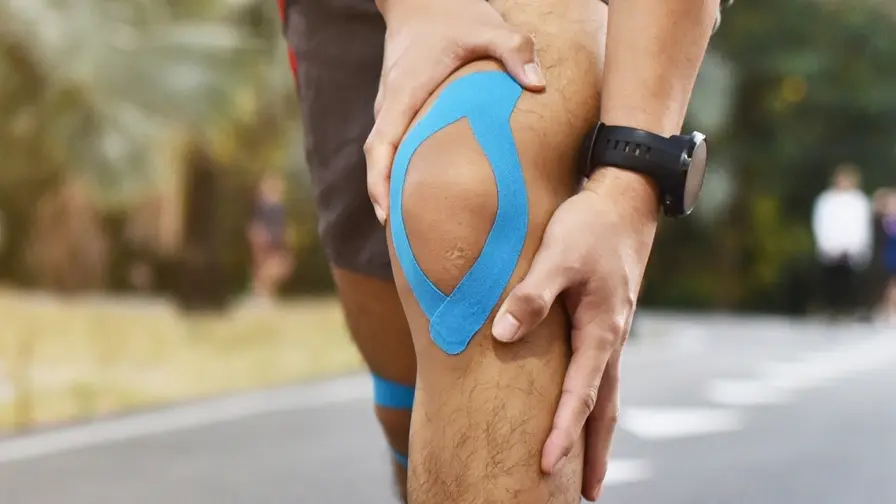
Read MoreOliver Hayes2026-02-243Does Exercise Really Help Osteoarthritis? New ReviewA detailed analysis of a new umbrella review on exercise for osteoarthritis, its findings and limitations, and practical guidance for patients — plus how digital health and blockchain may shape future research.