
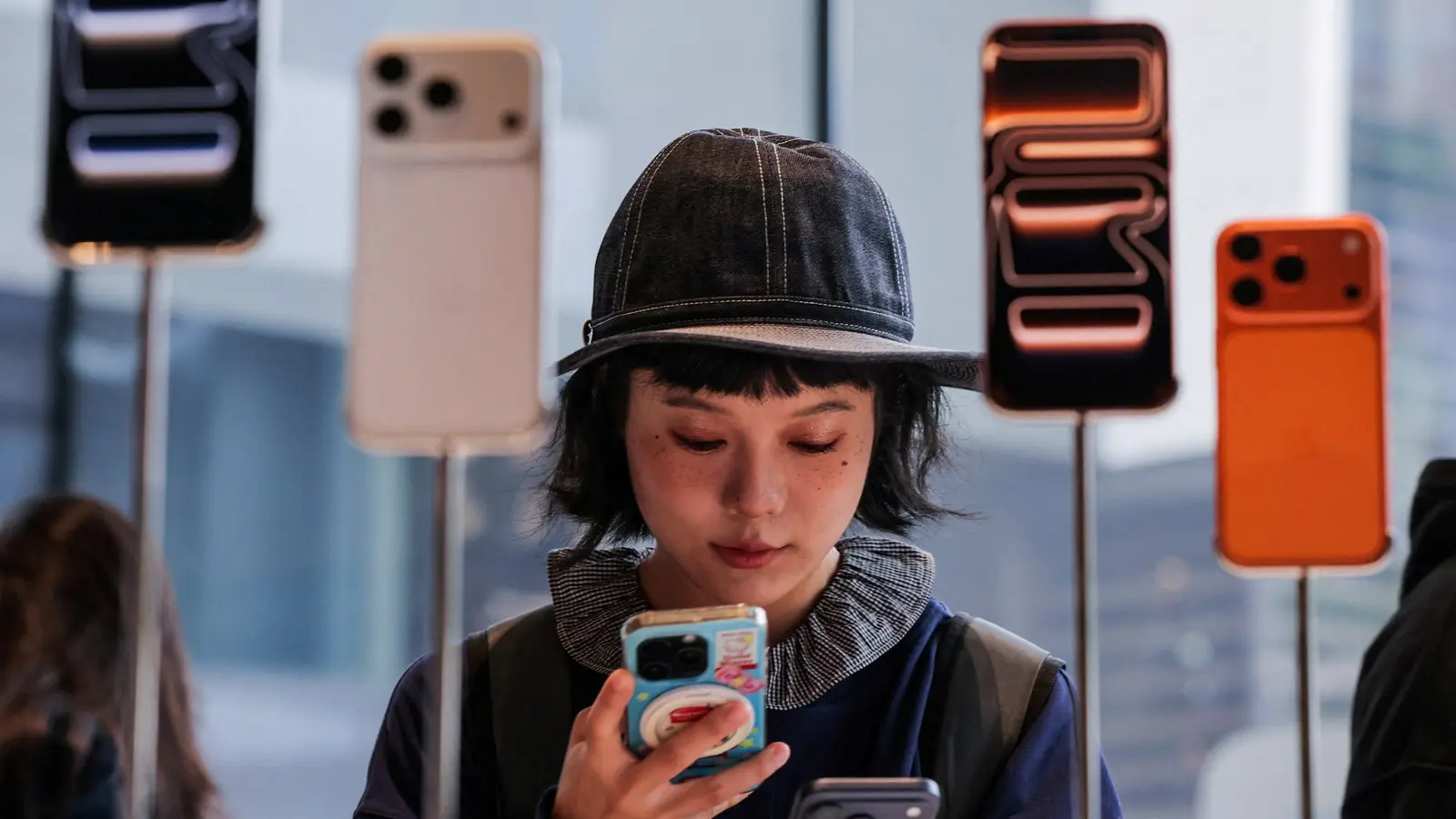
In cramped urban storefronts from Beijing to Shenzhen, a quiet reshuffle is playing out: queues for flagship models have lengthened while bargain bins gather dust.
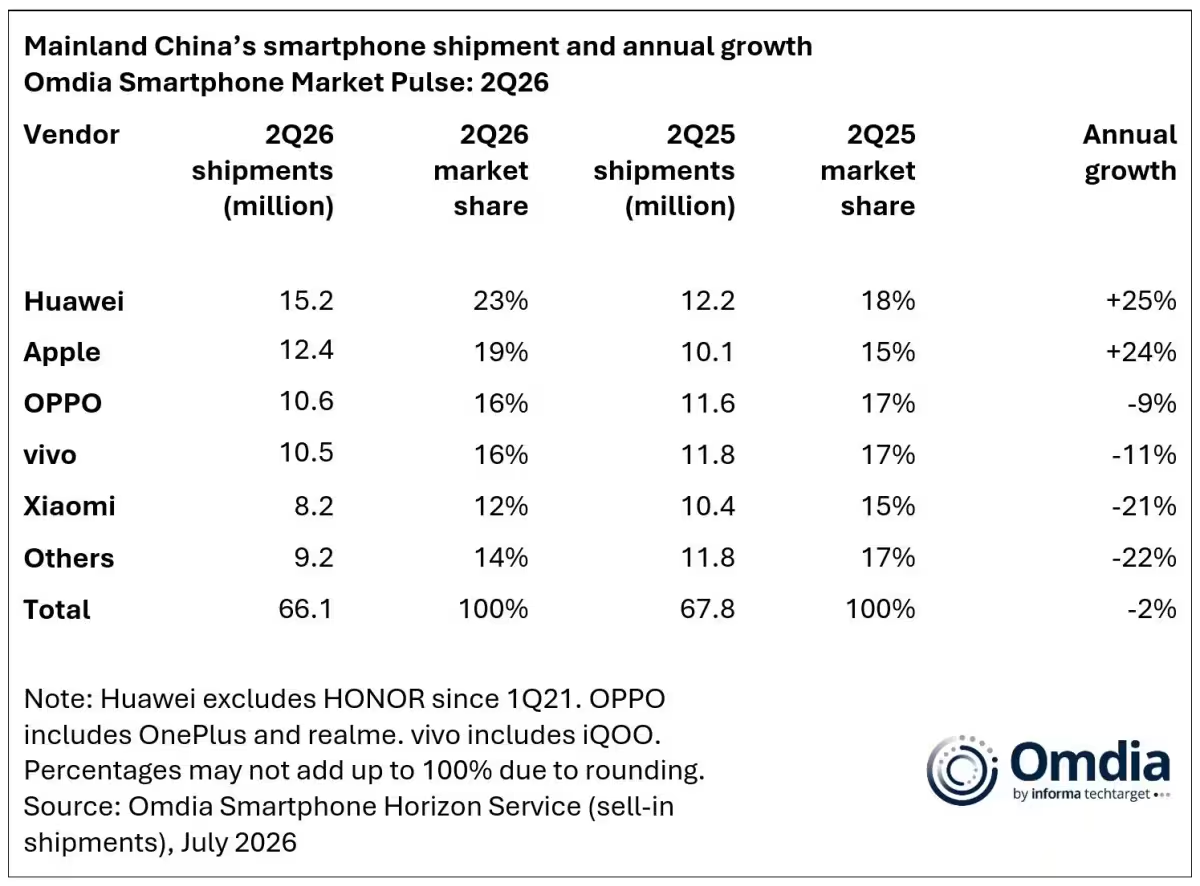
China’s smartphone shipments dipped 2 percent in the April–June quarter, totaling 66.1 million devices. Yet not every vendor felt the squeeze. Huawei and Apple moved in the opposite direction, expanding both volume and share as competitors trimmed back.
Winners, by the numbers
Huawei led the pack with a record 15.2 million handsets, grabbing roughly 23 percent of the mainland market—up from 12.2 million and an 18 percent share a year earlier. Apple followed with 12.4 million iPhones, about 19 percent of shipments, climbing from 10.1 million and 15 percent in the same period last year.

Third and fourth were almost neck and neck: Oppo shipped 10.6 million units for a 16 percent share, down 9 percent year-on-year, while vivo posted 10.5 million and the same 16 percent share, down 11 percent. Xiaomi slipped further back, delivering 8.2 million devices and holding 12 percent of the market, a steep 21 percent decline versus the prior year.
The broader global market fell faster, easing about 4 percent in the same quarter, which puts China’s pullback into a slightly better frame. Still, pressure is real: memory shortages and rising component costs are widening the gap between premium and budget offerings.
How they pulled ahead
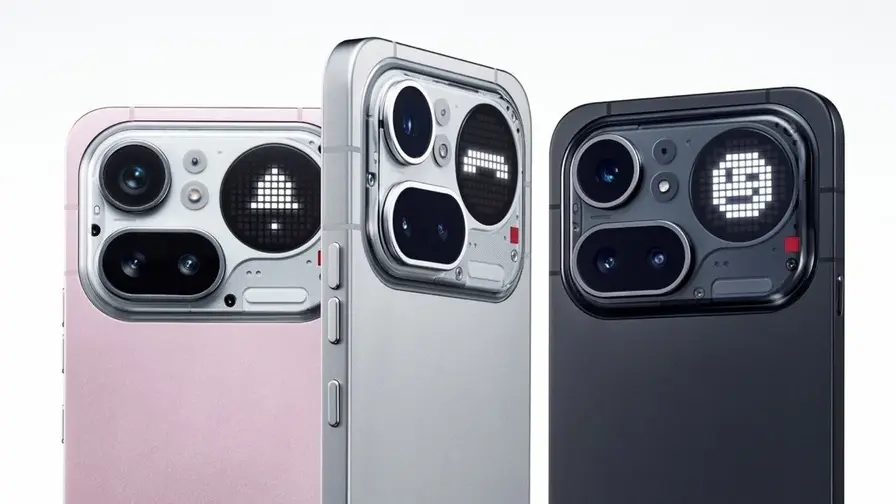
Think of it as a tale of two strategies. Huawei doubled down on premium relevance and supply chain control. Recent launches such as the Pura X Max and the Enjoy 90 Pro Max resonated with local buyers. Strong in-house R&D and deeper ties to domestic suppliers helped Huawei steady prices and keep production running despite cost volatility.
Apple played a different hand: it leaned on brand loyalty and the decision not to raise prices in the face of inflationary pressure. The result was steady demand in the higher end of the market, where buyers are less price-sensitive and more upgrade-oriented.
Smaller players are reacting. Many brands are pruning their portfolios, cutting unprofitable SKUs and pushing mid-range models that balance margins with consumer appeal. The overall message: adapt fast or cede ground.

Market polarization is intensifying, and value is shifting toward brands that can control costs or command premium pricing.
Is this temporary? Omdia’s forecast suggests it may persist. The analyst house expects China’s smartphone market to contract about 6 percent for the full year versus 2025, a milder decline than the global outlook but a sign that consumer upgrade cycles are cooling. Buyers are expected to be more cautious about replacing devices, prioritizing durability and value over impulse refreshes.
For industry watchers, the lesson is straightforward: resilience now means different things for different firms. For some, it’s about owning the supply chain and moving upmarket. For others, it’s streamlining offerings and chasing efficiency. Either way, the reshuffle in China is reshaping how global vendors think about scale, cost and local relevance.

“I love exploring gadgets, apps, and trends that redefine how we connect, work, and play in a digital world.”

Discussion
Leave a Comment
Comments (2)
Is this even true? Xiaomi down 21%.. feels dramatic. Are buyers really holding phones longer or is it just supply/price noise?
wow this is wild, Huawei + Apple gobbling share while bargain bins sit empty. supply control and brand loyalty paying off, but will it last? kinda amazed