
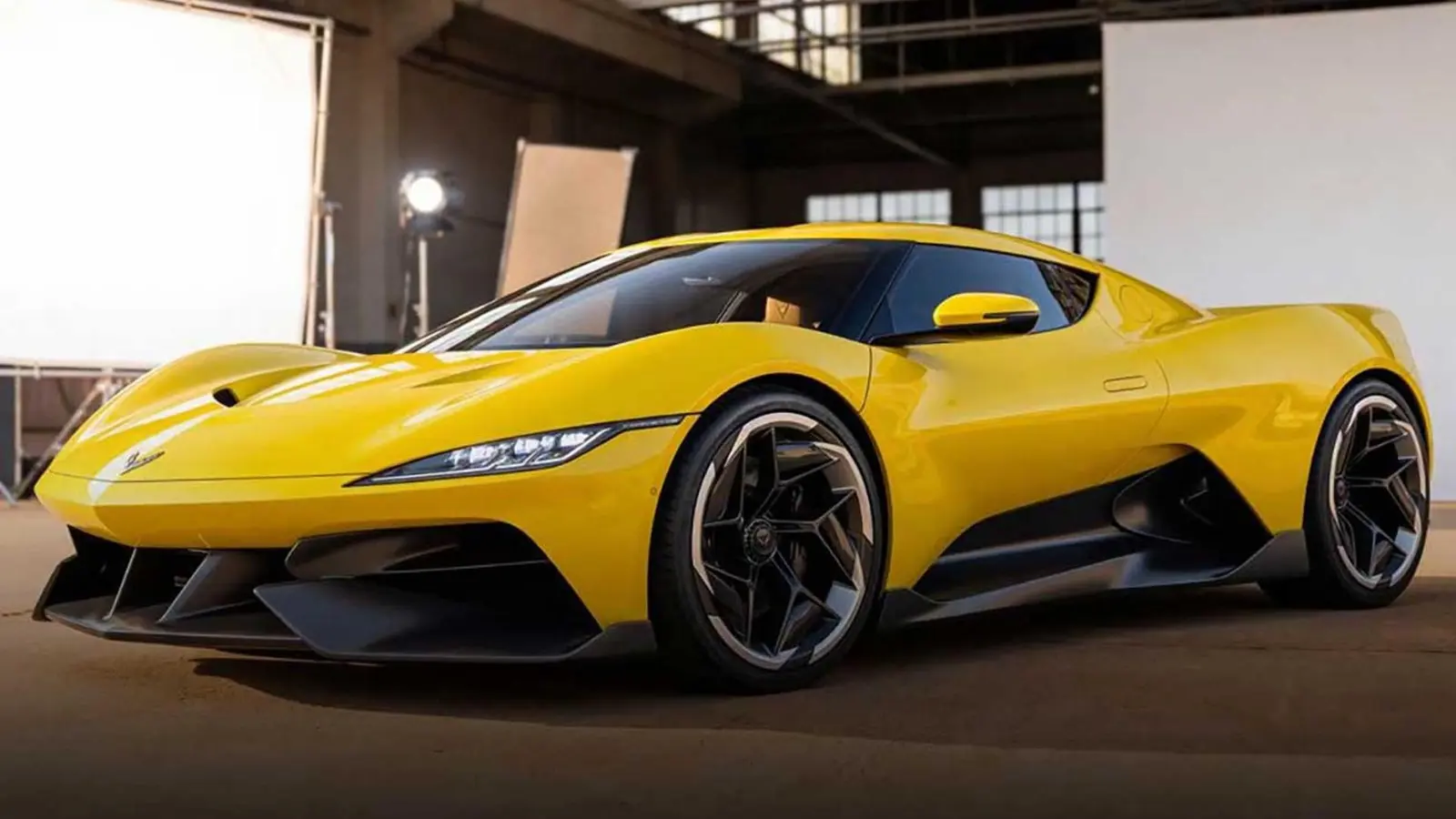
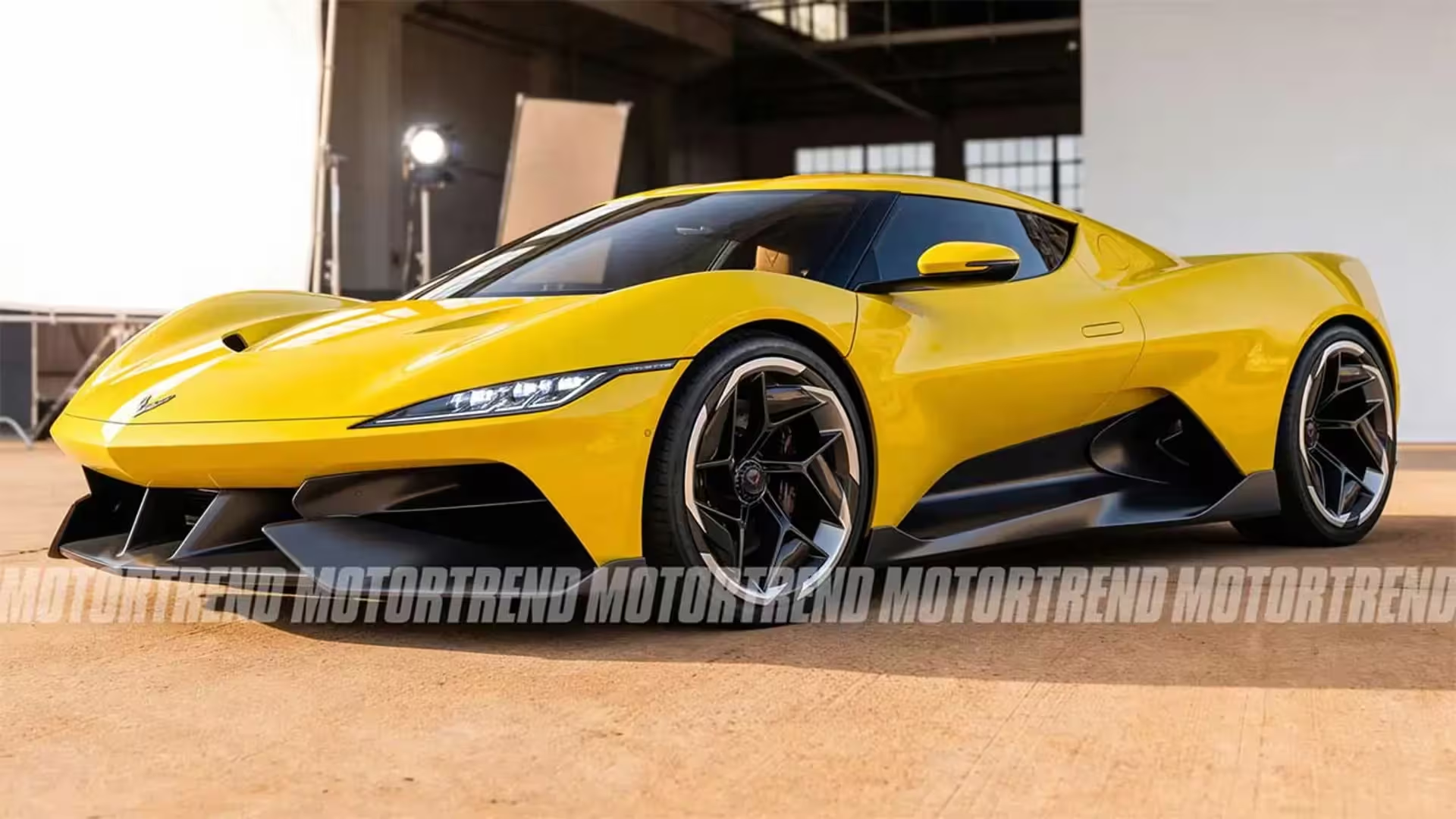
Close your eyes and picture a Corvette that finally looks like it belongs in a museum and on the racetrack at the same time. That’s the promise hanging over the C9: sharper lines, softer curves, and a character shaped by lessons learned the hard way.
What the C9 will change — and what it won’t
The ninth-generation Corvette, landing as a 2030 model in summer 2029, is Chevrolet’s second true mid-engine Corvette and a clear reaction to criticism aimed at the C8’s proportions and claustrophobic cockpit. Designers have been studying the CX concept closely. Expect smoother shapes, fuller wheel arches and a nod to the old “coke-bottle” curves of front-engine Corvettes, but without undoing the performance gains achieved by moving the engine behind the cabin.

Why does that matter? Because Corvette has long been GM’s playground for cutting-edge performance tech. Magnetic dampers, advanced traction control and hybrid experiments all trace back to this lineage. The C8 proved the engineers’ chops, from a bespoke flat-plane crank V8 to hybrid variants. The C9 looks like the next step: evolutionary, not revolutionary.
Under the skin, the C9 is expected to ride on a reworked, lighter version of the C8 platform. That gives engineers room to refine balance and packaging without starting from zero. Early signs point to the new 6.7-liter LT6 V8 — already seen in the 2027 Grand Sport — as the backbone of the lineup. It delivers roughly 535 horsepower and 705 newton-meters of torque today, and insiders think Camaro-sized bumps in output are likely for C9 variants.
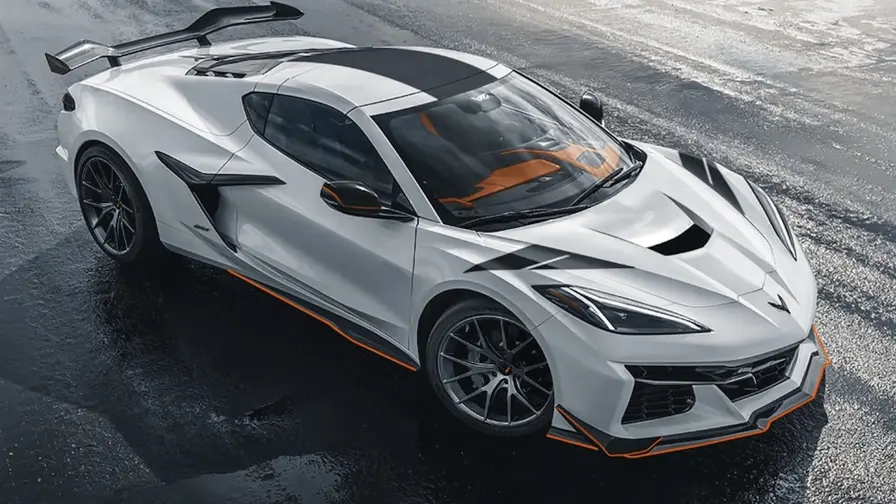
Don’t be surprised to see hybrid tech play a bigger role. The brand has been experimenting with electric drive on higher-spec models, and C9 could add stronger hybrid systems rather than simply tacking an electric motor onto the rear. Rumors suggest flagship versions will gain two electric motors on the front axle, replacing the single front motor used in recent hybrid prototypes. The result: improved launch traction, sharper dynamics and a clearer path toward higher-performance electrified Corvettes.
Performance humility? Not a chance. Corvette’s job has always been to push GM forward. The C9 will likely carry the usual family split — a base Stingray, higher-performance Grand Sport, and even hotter Z06 and ZR1 variants — but with hybrid assistance tuned for real-world speed, not just marketing headlines.
Price expectations are straightforward. The base Stingray is estimated to start around €73,600, while the most extreme, fully loaded models could push beyond €202,400. That positions the C9 squarely against premium mid-engine competitors while still undercutting many European supercars on price-to-performance value.

So why tune in? Because the C9 feels like a corrective: a car that keeps what worked about the C8 — the mid-engine performance — but gives it a face, a cockpit and a character more people can love. And if history is any guide, the technologies proven here will ripple across GM’s portfolio in years to come.
Not everyone wants a softer silhouette or some electric assistance. Purists will argue for raw V8 drama. The engineers seem to be listening. Expect heartbeats heard loud and clear, even as the Corvette steps into a greener, sharper future.

“I cover automotive innovation, electric vehicles, and the future of mobility — where technology meets sustainability.”

Discussion
Leave a Comment
Comments
No comments yet. Be the first.