
Step into a logistics yard this spring and you might notice fewer pallets of phones moving into warehouses. Quiet docks. Slower restocks. The numbers confirm the scene: Counterpoint Research pegs European smartphone shipments for April to June at about 35 million units, roughly 10 percent below the same quarter last year and the weakest showing since 2023.
It is not one single cause. Inflation has thinned wallets across the continent. Geopolitical pressure around Iran has pushed up risk and sourcing costs. Component prices have crept higher, nudging manufacturers to reassess volumes. Put those forces together and demand slips where consumers are most price sensitive.
When the top brands absorb the shock
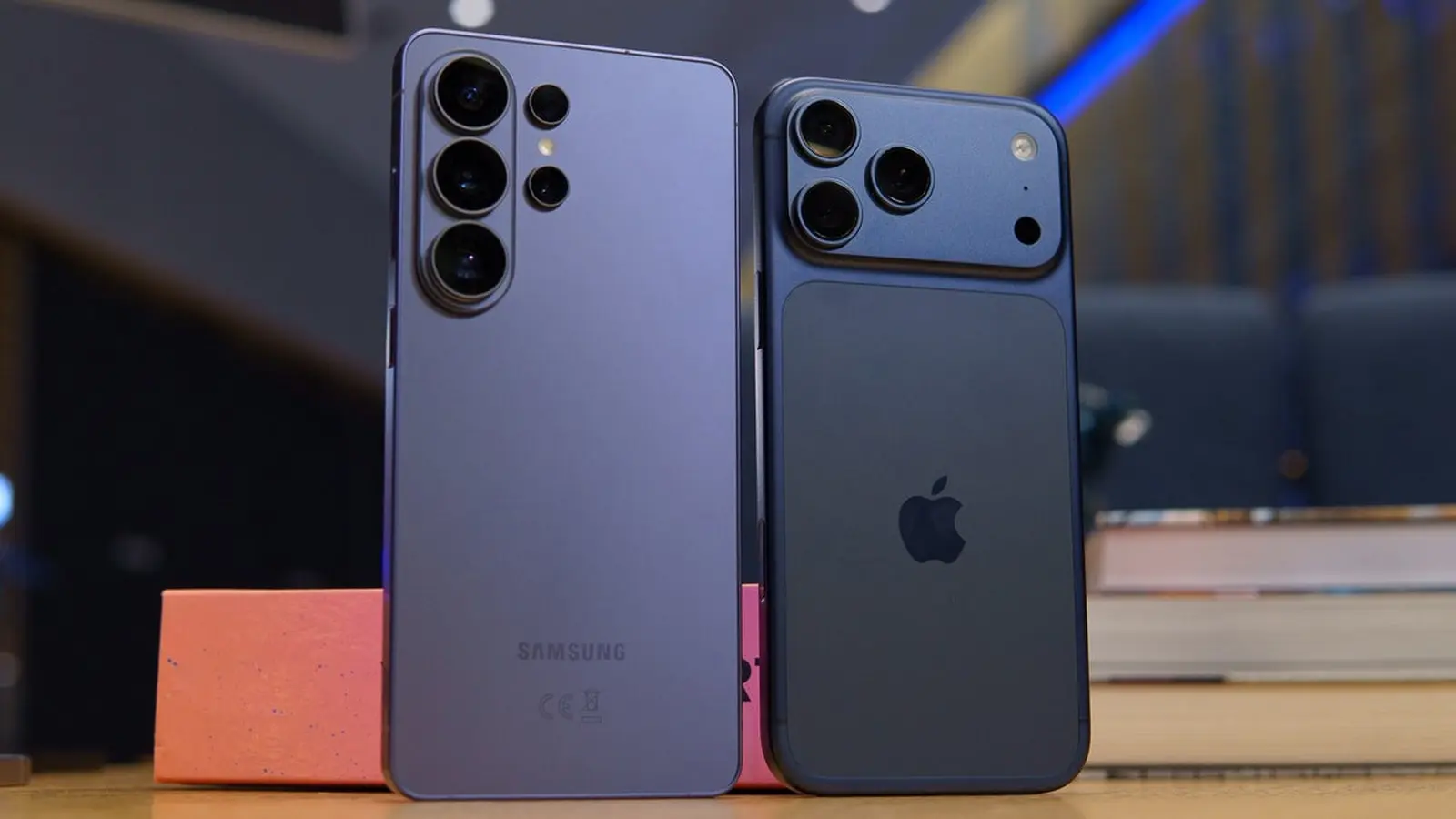
Apple and Samsung accounted for the lion's share of shipments, each responsible for about 34 percent of the market. Xiaomi held the next slot with roughly 15 percent. Oppo, counting OnePlus and Realme, and Honor rounded out the list with smaller slices, near 4 percent and 3 percent respectively. That concentration tells a story: premium and near‑premium tiers are steadying parts of the market even as the budget segment stumbles.

Regional splits matter. Western Europe showed resilience, thanks to a stronger performance by Apple and marginal gains from Samsung. Eastern Europe, by contrast, felt the pinch harder as demand for low‑cost phones cooled and inventories were adjusted down.
Analysts at Counterpoint warn that the soft patch may continue. Inventories are thinning in many channels, which sounds good, until you realize it comes after manufacturers trimmed orders. Lower stocking often precedes further shipment declines when demand hasn't recovered.
So what happens next? Expect a blend of smaller releases, sharper promotions on older models, and keener attention to inventory management. Brands with deep ecosystems and carrier partnerships will weather the slowdown better than those that compete purely on price. And if component costs keep rising, some margins will be squeezed hard.
Europe's smartphone market is recalibrating. The immediate picture is muted, but the tug of innovation and brand power will shape which companies come out stronger when consumers begin to spend again.

“I love exploring gadgets, apps, and trends that redefine how we connect, work, and play in a digital world.”

Discussion
Leave a Comment
Comments
No comments yet. Be the first.