
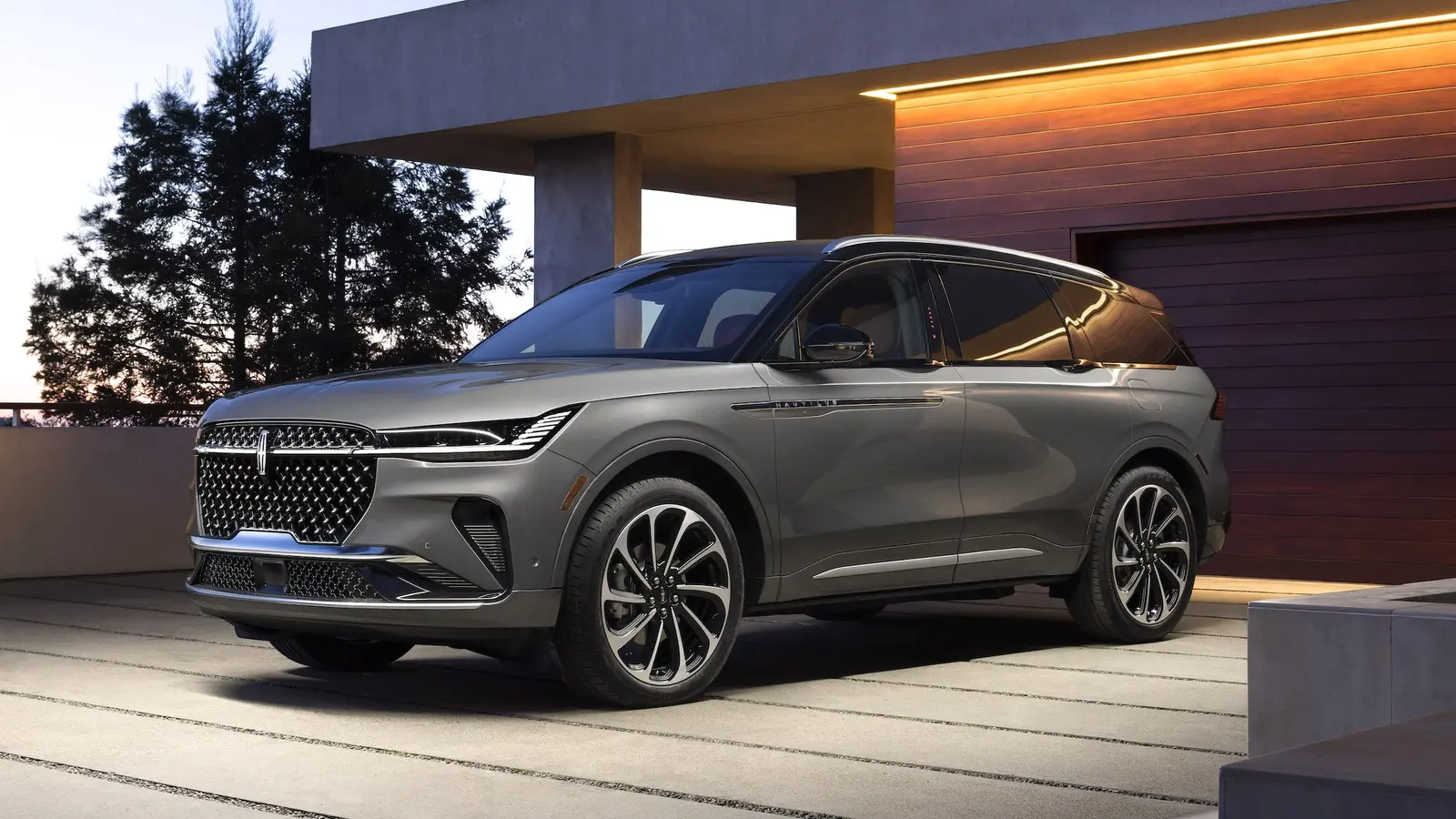
Walk into any Lincoln dealership and you can sense the tectonic shift under the hood of the industry. Ford says it will stop importing the Lincoln Nautilus from China after 2030 and bring production back stateside. It's a maneuver shaped as much by geopolitics as by balance sheets.
Why the move matters
Tariffs are the blunt instrument here. The Nautilus currently faces a 52.5% US tariff when imported from China. That number alone forces a rethink. Add new restrictions around Chinese-made vehicle technology and hardware, and the calculus changes quickly. Ford's choice is not just about cost. It is about control, compliance, and protecting access to the lucrative US luxury market.

CEO Jim Farley called the decision difficult but necessary, and the timing was set once Washington's tariff policy became clear. Yet the announcement raises fresh questions. A new-generation Nautilus is expected to arrive in 2028. Will Ford import that refreshed model from China until the 2030 cutoff? Or will the company sell an older China-built Nautilus alongside a US-made successor, leveraging price gaps? Ford hasn't said.
Where will the US-made Nautilus be built? Ford assembles the Navigator in Louisville, Kentucky, and the Aviator in Chicago. A new Tennessee plant begins production in 2029 but so far only a Ford pickup is confirmed for that facility. The company left the final site choice open, which means dealers, workers, and local governments are all watching closely.

There are echoes across the industry. General Motors will move Buick Envision production to the US starting in 2028. Other brands have faced hurdles under the Connected Vehicle Rule: Polestar exited the US after failing to secure a permit, while Volvo secured authorization and remains in the market. Ford, for its part, secured a waiver from the Commerce Department so the Nautilus no longer requires special authorization to sell in the US today.

That waiver reflects a nuance often missed in headlines. Ford says the car's software is developed in the United States but installed on the line in China, which is why government approval was required. The company still sold roughly 34,000 Nautilus models in the US in 2025, showing steady demand even amid regulatory churn.

So what changes on the ground? Expect a period of overlap, experimentation, and likely price and trim juggling as Ford balances inventory and compliance. The automaker could keep selling China-built Nautilus units for a while, ramp up US assembly for the successor model, or deploy a hybrid strategy. Each option alters logistics, supplier contracts, and workforce planning.

At a higher level this is about resilience. Ford frames the move as strengthening the US manufacturing base. For consumers, it could mean more domestically built Lincolns and fewer worries about future restrictions. For the industry, it is another data point in a larger reshoring trend reshaping global auto supply chains.

“I cover automotive innovation, electric vehicles, and the future of mobility — where technology meets sustainability.”

Discussion
Leave a Comment
Comments (2)
wait, so 2028 Nautilus imported til 2030? sounds like selling old and new together, risky. who gets built where tho? curious and skeptical
Wow, reshoring Lincoln? cool move for jobs and supply chain, but 2030 is ages away. Dealers stuck w/ old stock? we'll see