
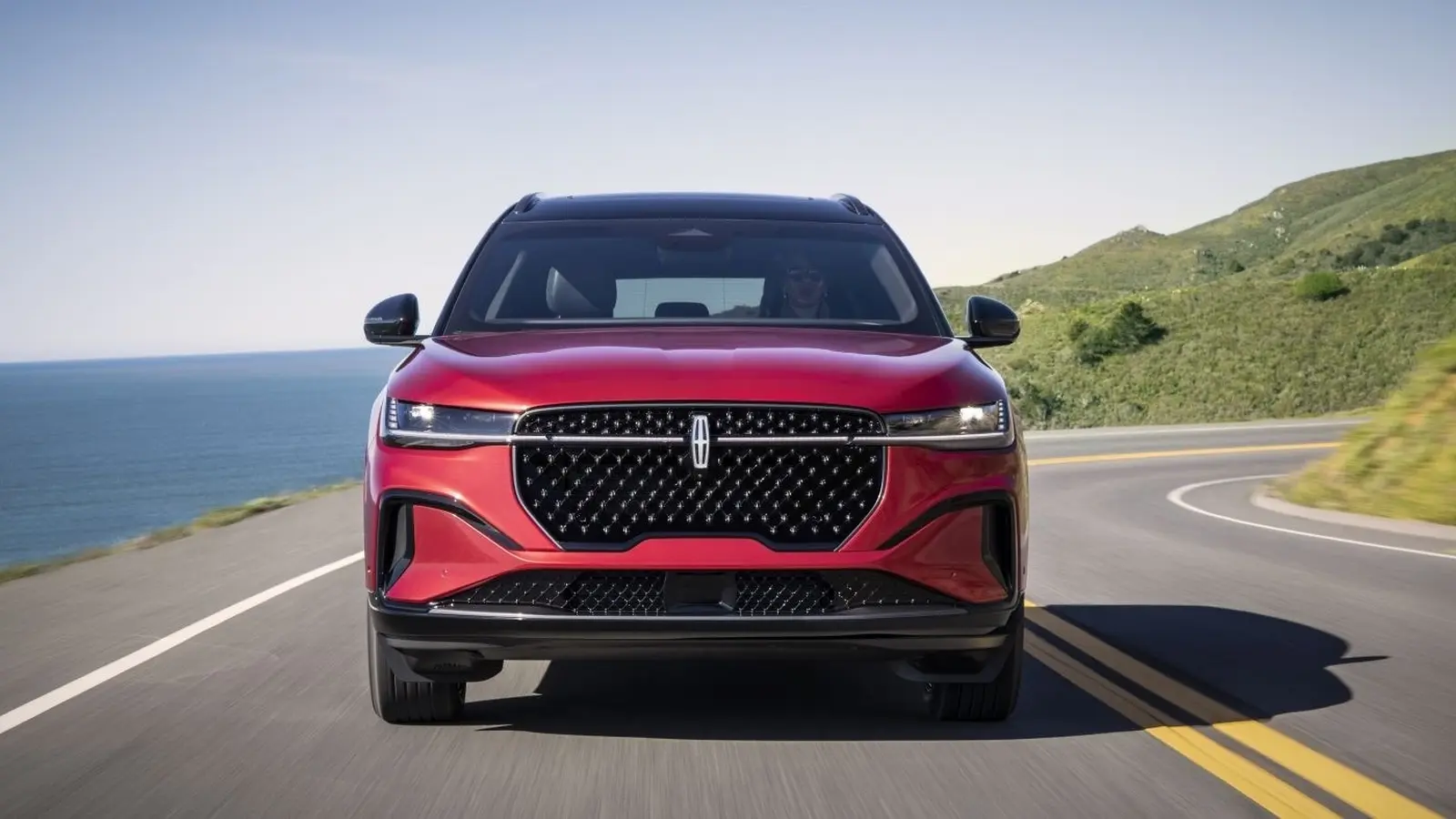
Picture a Lincoln that costs closer to an entry-level pickup than a traditional luxury crossover. It sounds odd. But when Ford's new electric architecture is involved, the idea starts to make sense.
Built alongside the Fathom
Lincoln has been conspicuously absent from the electric conversation. Years of halted projects and shifting priorities left the marque without a single zero-emission model. That drought may finally end with a compact electric crossover riding on the same platform as Ford's forthcoming Fathom pickup.

Why Louisville? The Kentucky assembly plant is being retooled with an investment of about €1.8 billion to build the Fathom and other future EVs. The logic is straightforward: share hardware, cut costs, speed development. The Fathom will use Ford's Universal Electric Vehicle architecture, developed by an internal advanced projects team led by Alan Clarke. A Lincoln with the same bones could move from concept to production far faster and cheaper than starting from scratch.
Lincoln tried a different route in 2020, briefly partnering to use Rivian's skateboard platform before that plan was scrapped. An electric flagship idea gave way to an Aviator electric variant, and Oakville's conversion plans were abandoned in favor of heavier truck production. The result was more delay and frustration for Lincoln shoppers waiting for a genuine EV.
Price and positioning
There’s talk inside the company that a small Lincoln crossover made on the Fathom line would slot near Ford’s most affordable electric model. With the Fathom starting at roughly €27,500, a Lincoln sibling could become the brand’s most accessible EV yet. Today Lincoln’s lowest-priced model in the U.S. range is the Nautilus, which starts around €50,000 after the Corsair Grand Touring and other hybrids were discontinued.

That price gap is telling. Build economies of scale, and Lincoln can wrap luxury trim and its signature quietness around proven Ford EV hardware without the astronomical costs that killed earlier plans. It also aligns with Lincoln’s move away from importing China-built vehicles for the U.S. market and toward domestic production.

Ford isn't stopping there. Alongside the compact Lincoln project, the company is developing a Bronco-based Lincoln SUV to blend off-road capability with upscale finishes, and refreshed Navigator and Aviator models are on the slate. The strategy feels like hedging: appeal to core buyers with rugged luxury while finally offering a mainstream, electrified Lincoln for those who want a quieter, greener commute.

There are still open questions. How will Lincoln differentiate its version from the Fathom? What will the driving experience say about the brand's identity? We may not have all the answers yet, but the pieces are aligning. Expect more concrete details as the Fathom program ramps toward a 2027 debut and Louisville's new lines come online in the coming years.
It’s a pivot, and a pragmatic one. Lincoln may be late to the EV table, but this approach could deliver the brand’s first honest electric model — one that’s both attainable and unmistakably Lincoln.
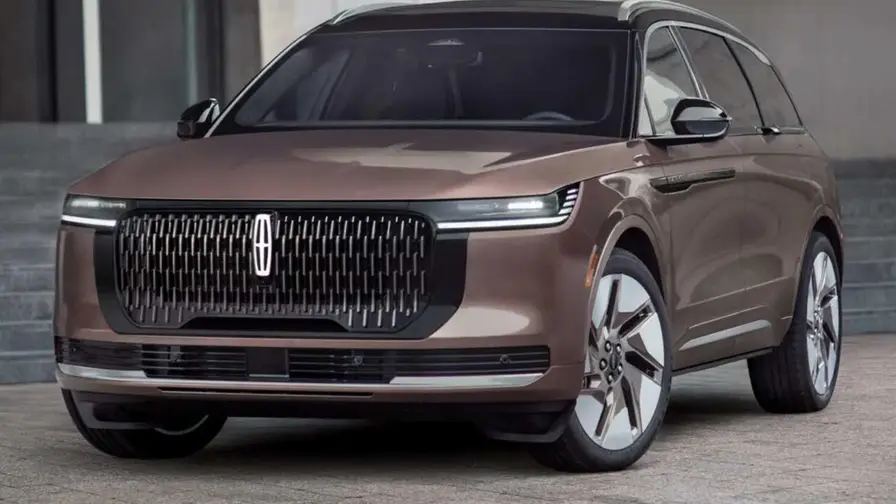

“Cars are evolving faster than ever. I cover electric vehicles, smart mobility, and the future of transportation worldwide.”

Discussion
Leave a Comment
Comments
No comments yet. Be the first.