
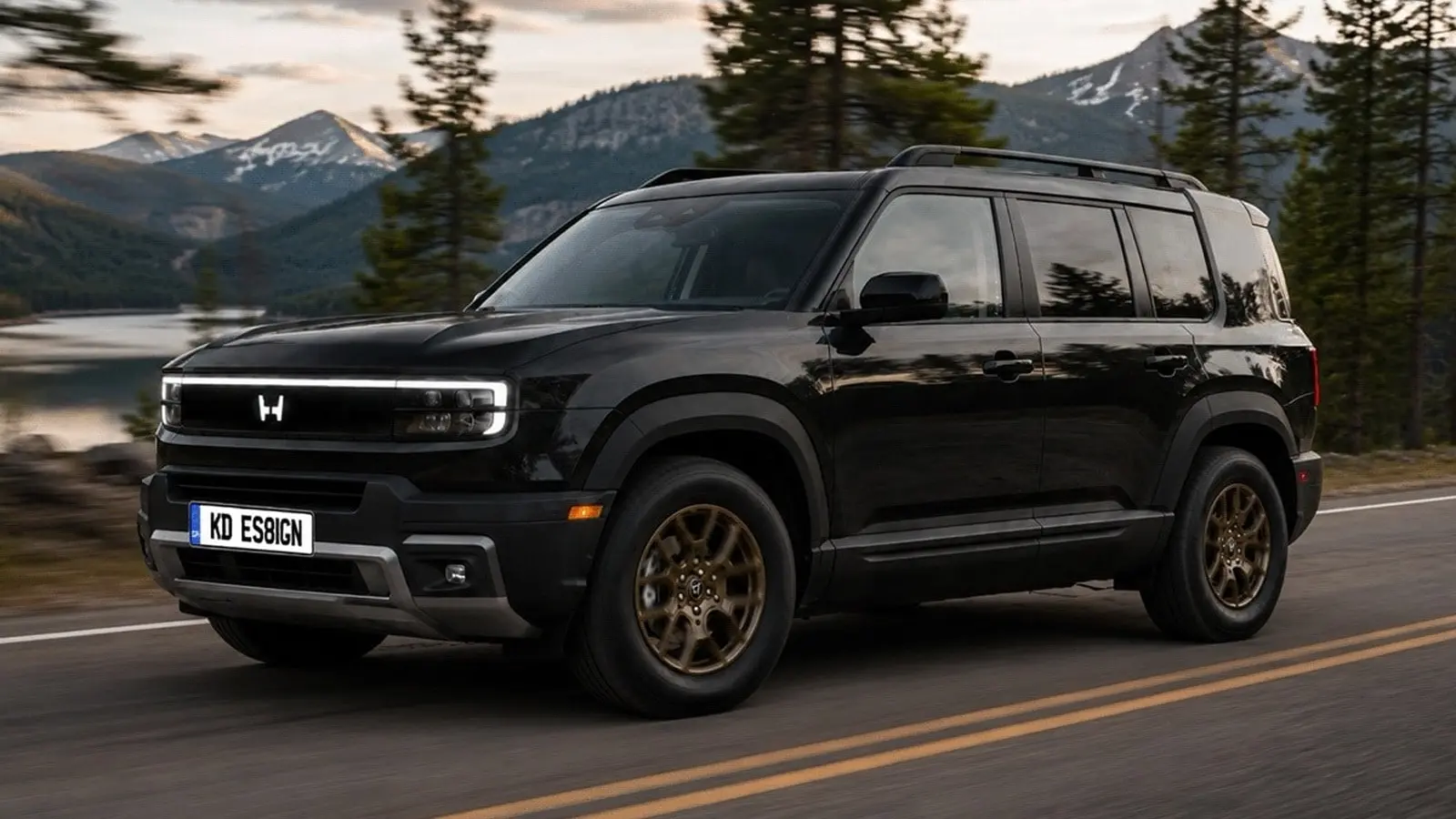
Imagine pulling up to a weekend trailhead in a compact SUV that looks like it was sketched from memory: square windows, flat glass, and doors that invite you to load gear without a second thought. That oddball silhouette is the Element, a car that never tried to be sleek and, because of that, became memorable.
How Honda might turn nostalgia into a modern adventure toy
Fans still talk about the Element for a reason. It sold about 325,000 units during its brief run from 2003 to 2011, earning a cult following for practical quirks like dual-parting side doors and a cavernous, rearrangeable interior. Now whispers and design mockups suggest Honda is thinking about bringing that personality back, but with 2020s hardware and a touch of trail-ready polish.

Sources point to a possible production window of 2028 or 2029. The idea makes strategic sense. The market loves compact, rugged crossovers that look purposeful—vehicles such as the Ford Bronco Sport have shown buyers will reward character over cookie-cutter design. A reborn Element could slot neatly into that niche: compact footprint, utility-first cabin, and enough off-road flavor to feel at home on a forest track.
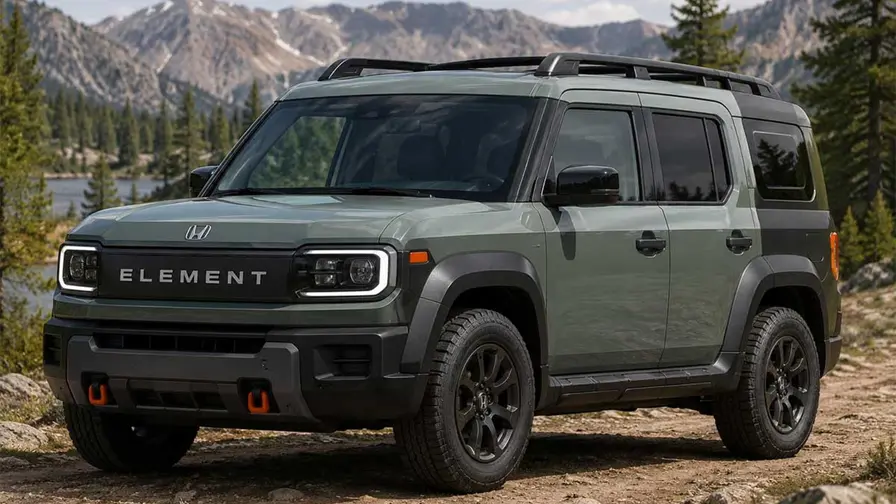
How close would the new Element be to the original? Renderings offer two answers. Theophilus Chin, known online as Theottle, imagined a modernized Element that keeps the pillarless side opening and rear-hinged coach doors that made the first generation so practical. His vision blends the new Passport and the refreshed Pilot design language, then spices it with TrailSport-style claddings to push the adventurous look.

On the other side of the internet, Brazilian artist Kleber Silva, who posts as KDesign AG, took a subtler route. His concept keeps the boxy proportions but chooses conventional rear doors and layers in a plug-in hybrid powertrain, suggesting Honda might prioritize efficiency and electrification alongside the vintage cues.
Both directions speak to different buyer instincts. One pitch is unapologetically quirky and tactile, preserving the Element's social-media-ready moments and practical rear-hinged doors. The other trades a little theatrics for broader appeal and greener credentials. Neither image is official. They are, however, useful barometers: designers and enthusiasts are picturing a vehicle that nods to the past while acknowledging the present.
There are still many blanks. Platform details, exact powertrain choices, and whether the Element nameplate returns unchanged are open questions. Honda has lately leaned into off-road cred across its range, from a tougher-looking Passport to refreshed three-row models, so resurrecting the Element would not be out of step with that strategy.

Will buyers embrace a reborn Element? Some will, immediately. Others will want specs, range numbers, or even AWD capability. What matters is that the concept taps into a simple truth about modern car culture: authenticity sells. A compact SUV that favors function, offers flexible utility, and wears its boxy shape with confidence could stand out in a market crowded with lookalikes.
Whether Honda actually moves from pixels to production remains to be seen. For now, the conversation is a reminder that automakers can mine their own archives for ideas that feel fresh rather than retro for retro's sake. Expect more sketches, more CGI visions, and, eventually, clearer signals from Honda as the decade advances.
One last thought: when the Element returns, it won't be for everyone. But then again, that was always the point.

“I cover automotive innovation, electric vehicles, and the future of mobility — where technology meets sustainability.”

Discussion
Leave a Comment
Comments (2)
cool renderings but will Honda actually give it decent range and AWD? not buying the nostalgia pitch alone. gimme specs or it's just pixels.
No way, a new Element? Hell yes. Keep the boxy vibe, folds into cargo, quirky doors pls. If they dumb it down tho…