
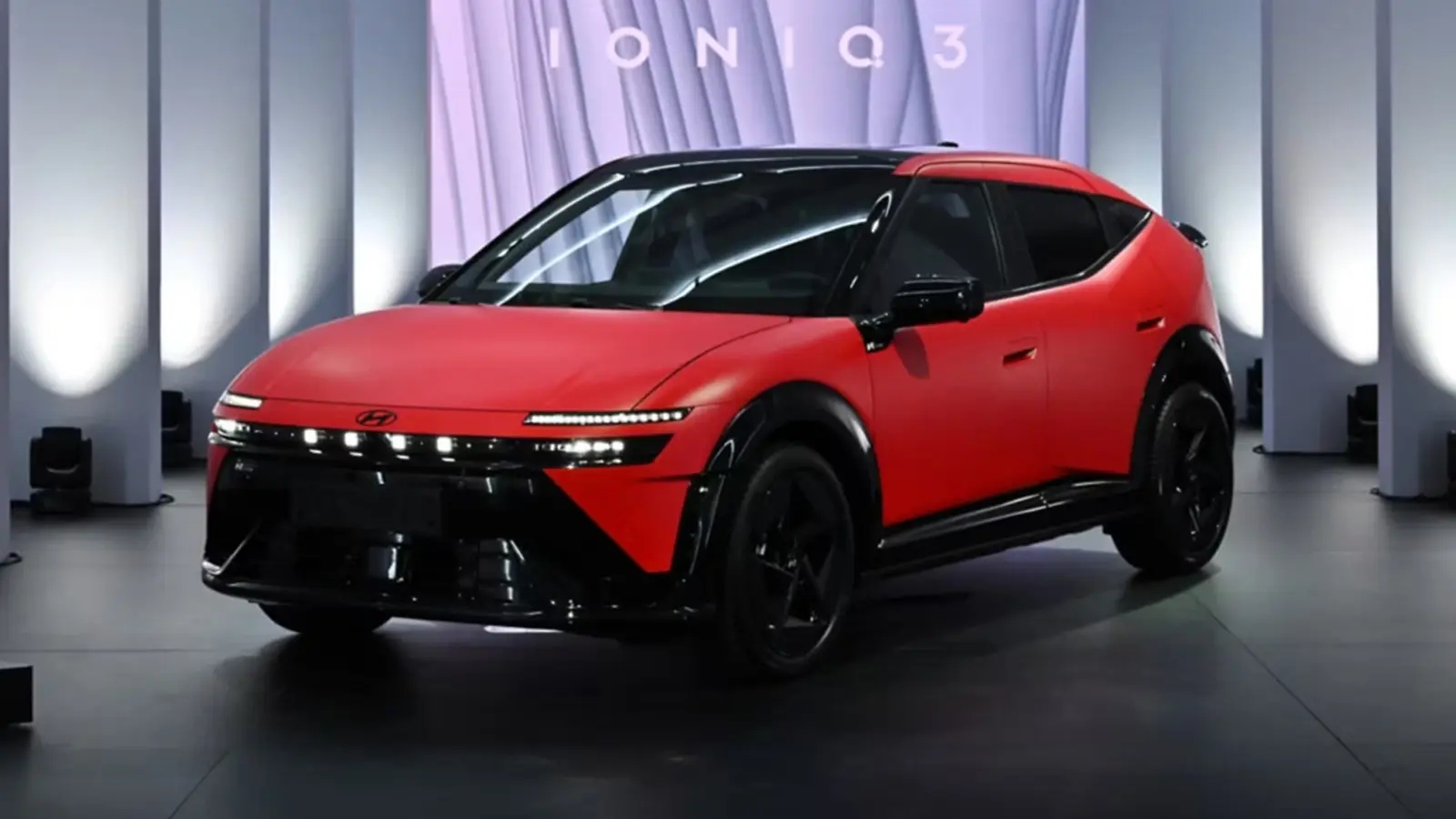
The factory at Izmit woke up to a different rhythm this week. A new assembly sequence. New tooling. A new badge rolling off the line well before the Ioniq 3 hits showrooms in September.
Hyundai revealed the Ioniq 3 earlier this year in a sportier N Line, followed by a Standard version last month. Now the company has confirmed volume production has started at its long-standing Izmit site in Turkiye, marking the first time a foreign automaker will build an EV passenger car in the country.
Izmit's quiet transformation
The change did not happen overnight. The plant received a €250 million investment and underwent two years of upgrades to handle high-voltage assembly, battery integration, and the new quality checks EVs demand. Hyundai has been operating at Izmit since 1997, and total investment in the facility now stands at about €1.185 billion.

Output plans are pragmatic. Hyundai aims to produce roughly 30,000 Ioniq 3 units a year at Izmit, channeling regional supply to Europe and nearby markets while shortening delivery times and cutting logistics complexity.
Specification choices are straightforward. Buyers will get two battery and motor pairings: a 42.2 kWh pack with 147 hp, or a 61 kWh pack rated at 135 hp. The lineup suggests Hyundai is balancing range, performance, and cost to hit different buyer profiles.

Production ahead of the September launch gives Hyundai a running start. It lets dealers stock cars, allows engineers to smooth early issues, and gives potential customers real examples to test. That practical head start matters more than a flashy reveal.
For Turkiye, the Ioniq 3 is more than another model on the line. It is a visible sign that the country's supply chain and workforce can support modern EV builds. For Hyundai, it is another piece in a global EV push, produced closer to its European customer base and tailored to real-world demand.

“I cover automotive innovation, electric vehicles, and the future of mobility — where technology meets sustainability.”

Discussion
Leave a Comment
Comments
No comments yet. Be the first.