
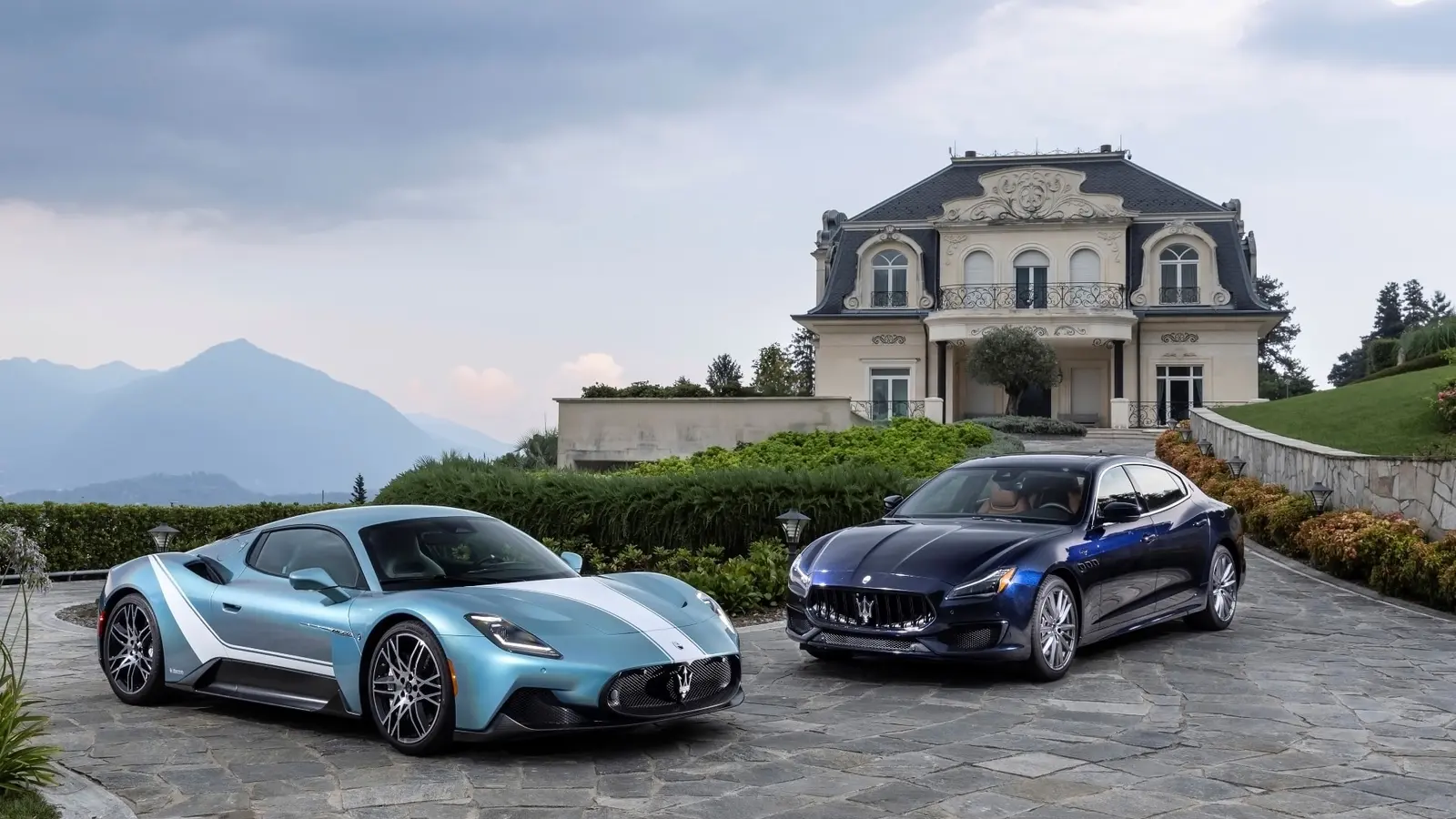
Walk into a Maserati showroom today and the echo is hard to miss. Once a symbol of Italian flair and racing DNA, the Trident has been wobbling on the ropes: management stumbles, cheap-feeling trims, and resale values that sting. The result? Just 7,900 cars sold worldwide in 2025. That number jolts you. It also explains why Maserati is drawing up a radical reset.
Back to the heavy hitters — but smarter
Top executives now talk in blunt, almost surgical terms. The plan is simple in outline and fiendishly difficult in execution: return to the E-segment with two headline models and modernize the drivetrain without abandoning the marque’s soul. Which names are on the table? Think Levante and Quattroporte. Both were pulled from the line-up; two of the three recently discontinued sedans and SUVs will reappear before 2030.

Hybrid, yes. But not plug-in. Maserati is lining up self-charging hybrid versions of the Nettuno twin-turbo V6, a move that treads carefully between performance pedigree and real-world efficiency. The brand already uses 48-volt assistance in some cars. The Nettuno has been a purist’s engine until now. Expect that to change as executives hunt for gains in fuel economy without killing the engine’s character.
Why not full electrification straight away? Money and image. Stellantis’s backing kept Maserati alive. Now the task is to regain volume and margin while protecting a luxury identity. Executives are auditing supply chains, negotiating component sharing, and courting technical partners — all with one caveat: any savings must not turn Maserati into another badge on a generic parts list.

Platform choices are central to that balancing act. The company is weighing a new underbody that could weld together lessons from Groupe PSA’s CMP architecture and the STLA family for larger cars. But there are red lines. STLA One, introduced for smaller segments, simply is not a natural fit for something that must feel distinctly Maserati and unquestionably premium. The brand can’t underpin a flagship with the same bones as a compact city car.
So what will customers actually see in the coming months? Expect conservative updates first. The 2027 refreshes for the GranTurismo, GranCabrio, and Grecale look set to be evolutionary rather than revolutionary, but they matter: think of them as clearing space for a bigger play. Sources say the next-generation Levante is more likely to arrive before a reborn Quattroporte — a pragmatic choice aimed at stabilizing cash flow while the larger sedan is refined.
- Two E-segment nameplates are earmarked for return before 2030.
- Hybrid Nettuno V6 will be self-charging, not plug-in.
- Platform consolidation and supply-chain reviews are underway to cut costs.

There’s an inherent tension here. Shared platforms and supplier economies bring down prices. But if those savings translate into cheaper materials or diluted design, the whole exercise fails. Maserati’s leadership insists the house style and Italian craftsmanship will remain intact. That’s not marketing spin; it’s survival strategy.
Who’s watching? Rival luxury brands. Investors. And most of all, Maserati’s old customers, the people who buy into myth as much as metal. A definitive roadmap is due before the holidays. If it delivers credible platforms, tasteful hybridization, and a clear product cadence, the Trident can stop drifting and start steering again.
This reboot is about more than two models; it’s a test of whether Maserati can modernize without losing its soul.

“I cover automotive innovation, electric vehicles, and the future of mobility — where technology meets sustainability.”

Discussion
Leave a Comment
Comments (2)
Feels like a PR playbook. Platform sharing can save cash, just dont cheapen the interiors. Levante first makes sense for cashflow, Quattroporte needs proper care, not rush
Is this even true? 7,900 cars worldwide sounds unreal. Hybrid Nettuno ok, but no plug-in? If that's real then theyre playing it safe... buyers might want bolder moves