
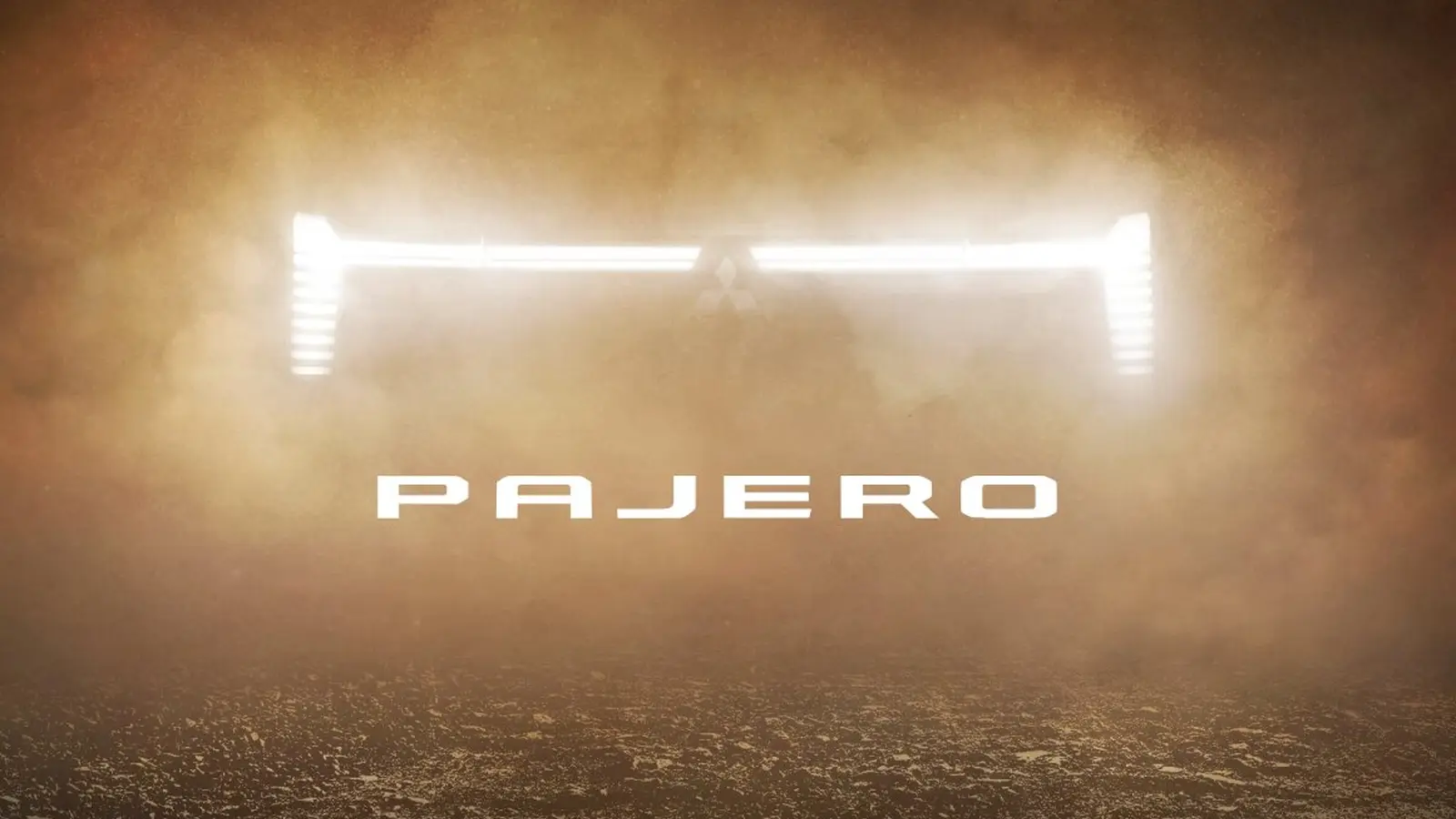
Dust still clings to its name. For off-road purists, the Pajero was never just an SUV; it was a promise that a vehicle could be both brutally capable and oddly elegant in the dirt. After a five-year silence, Mitsubishi has set a date: September 2. The new Pajero arrives with a ladder-frame chassis borrowed from the Triton pickup and an attitude that refuses to be boxed in by fashion trends.
Built for the trail, tuned for the road
This is not a softened crossover in work boots. The fifth-generation Pajero returns to a body-on-frame architecture to preserve wheel travel and durability—exactly what hardcore terrain demands. Mitsubishi will build it in Thailand, and engineers promise dedicated front and rear suspension bits to keep articulation high while damping roll and pitch on pavement.

At the heart of the package sits S-AWC, Mitsubishi’s Super All-Wheel Control. Born on rally stages and refined on the Lancer Evolution, it orchestrates torque, traction and braking across all four corners. The result should be a rare mix: genuine off-road bite without sacrificing composure on the highway.
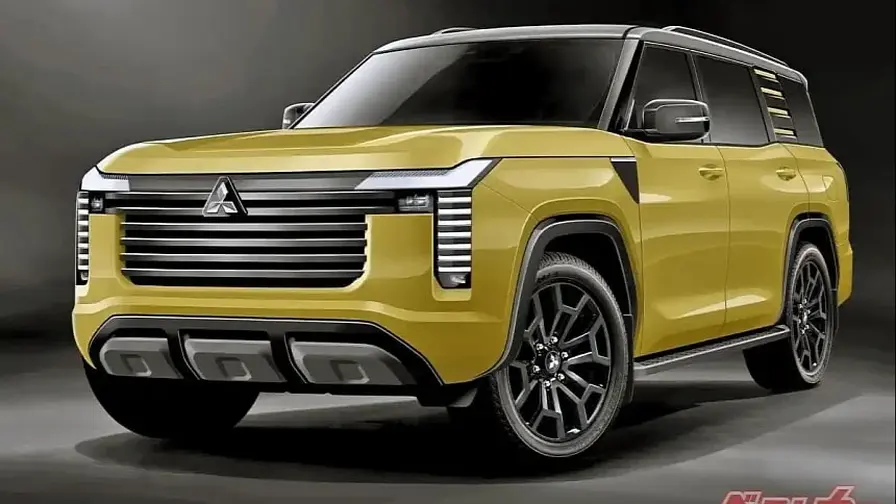
Design teasers suggest a bold fascia, horizontal cues softened by vertical headlight towers at the corners. Inside, the cabin nods to the Pajero’s heritage—think classic meters reimagined for the digital age. Mitsubishi calls the triple meter display the soul of the model; its hi-def gauges and active telemetry aim to turn a nostalgic touch into a practical, modern tool.

Fans have already heard praise from rally royalty. Hiroshi Masuoka, a two-time Dakar winner and the head of Team Mitsubishi Ralliart, has reinforced the car’s go-anywhere lineage. That kind of endorsement matters. It’s not marketing theatre; it’s pedigree.
Powertrain specifics remain under wraps until the reveal, but the likeliest headline is a 2.4-liter diesel—already used in the Triton—tuned to produce more than 200 horsepower. Expect electrified options to follow, both gasoline and diesel hybrids included. If Mitsubishi plans a Montero return to the US market, a high-output gasoline hybrid would be the obvious play.

Takeaway: a ladder-frame chassis, S-AWC dynamics and a modernized instrument cluster suggest Mitsubishi wants the Pajero to be both a true trail tool and a civilized daily driver.
Beyond the metal and software, there’s strategy. Mitsubishi appears to be carving a sub-brand around the Pajero name, mirroring how it separated the Delica family. It’s a defensive move too; as Chinese manufacturers expand production and influence across Southeast Asia, reclaiming a distinct identity could be critical for Mitsubishi’s long-term relevance in key markets.

Will it live up to expectations? Enthusiasts will scrutinize every detail on September 2. For now, the ingredients line up: a rugged ladder frame, rally-bred electronics and a cabin that respects its history while stepping into the digital era. The Pajero’s return feels deliberate, not nostalgic—an attempt to reset what a modern off-roader can be.

“Cars are evolving faster than ever. I cover electric vehicles, smart mobility, and the future of transportation worldwide.”

Discussion
Leave a Comment
Comments (2)
Is this even true? Feels a bit like PR spin. Ladder frame ok, but where's the weight/fuel tradeoff info and will the US get the high-output hybrid or just diesel?
Wow, a ladder frame Pajero back... actually gave me goosebumps. Rally tech + S-AWC sounds legit, hope they didnt soften it for mall cruises, pls keep the bite!