
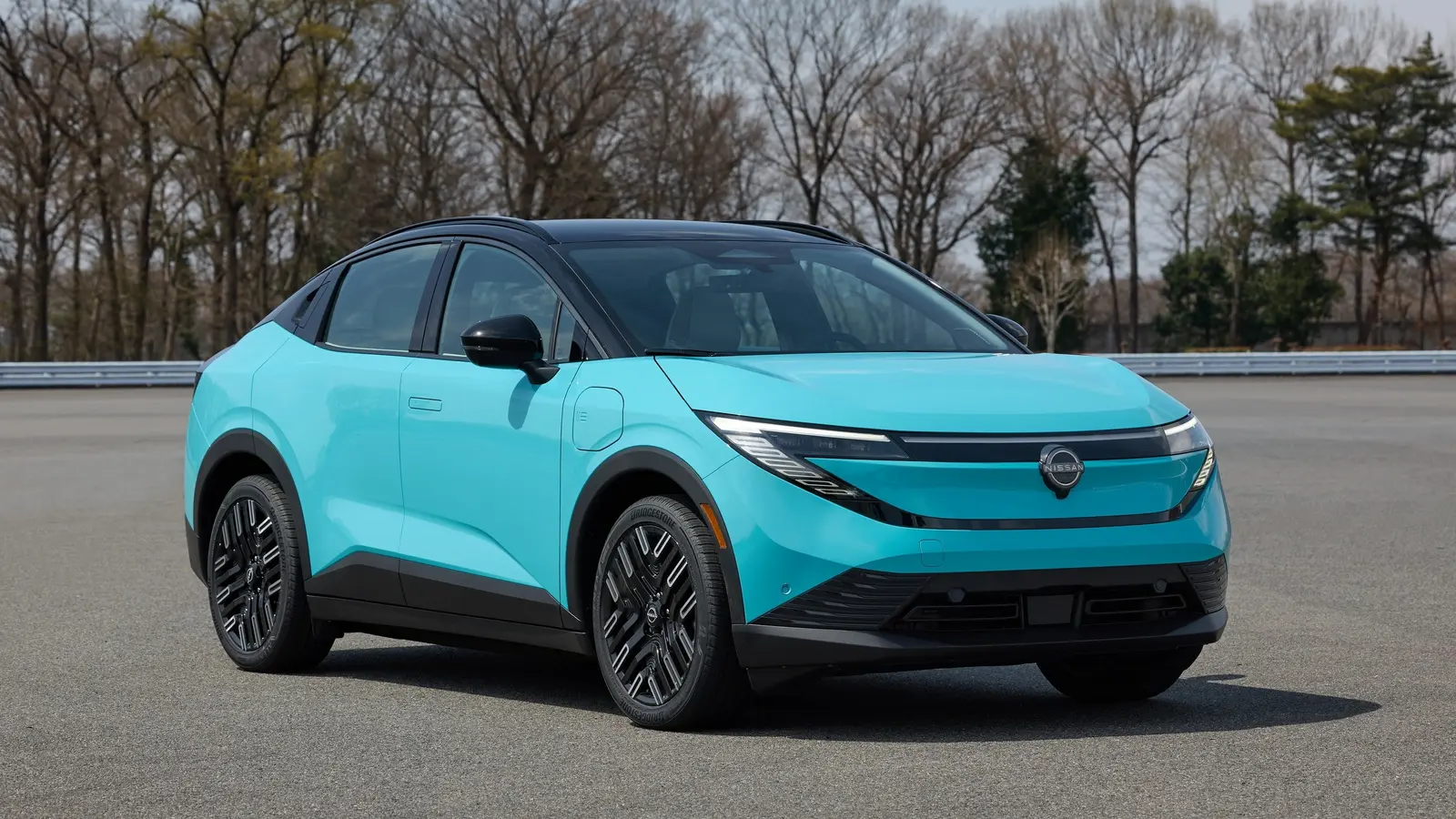
A parent clicks a child seat into place and expects it to hold. What happened instead on some 2026 Nissan Leaf crossovers was the belt letting go before the restraint was secure. That prompted Nissan to call back a slice of the new Leafs and ask dealers to swap out rear outboard seatbelt assemblies for free.
Nissan says the problem lies with the automatic locking retractors made by Autoliv Japan. These are supposed to switch from emergency-lock mode to automatic mode when the belt is fully extended, then stay locked as the webbing retracts so a child seat stays firmly in place. In certain units the automatic mode can disengage prematurely because of an internal retractor setting, meaning an infant or toddler restraint might not be held as intended.

The company estimates 3,788 potentially affected Leafs in the United States, all built at Nissan’s Tochigi plant in Japan between June 10, 2025 and June 8, 2026. The issue can cause the vehicles to fall short of Federal Motor Vehicle Safety Standard 208, the rule that governs occupant crash protection. Nissan began investigating after Consumer Reports flagged a case in April 2026 where the outboard rear seatbelt failed to remain engaged during a child-seat installation test.
What owners should do now
If you own one of the impacted vehicles, Nissan asks you to use the LATCH anchors to secure child seats until the parts are replaced. Dealers have been instructed to replace the rear outboard seatbelt assemblies at no charge to owners and lessees. Nissan will begin notifying owners on July 17 with guidance and next steps. Vehicle identification numbers for affected cars start with the letter J and can be looked up on Nissan’s website or via the National Highway Traffic Safety Administration recall portal.

- Check your VIN on Nissan’s recall page or the NHTSA portal.
- If you need to install a child seat before the replacement, use the LATCH system only.
- Schedule the free dealer repair as soon as you receive notice.
Nissan says it is not aware of any injuries tied to this condition so far. The parts list for the recall includes four different assembly numbers covering both Charcoal and Light Gray interiors. Company engineers worked with Consumer Reports to review the test conditions and the child-seat models used in that independent evaluation.

A brief production note: earlier generations of the Leaf were built in the United States, but North American supply now comes from Tochigi. Leafs sold in Europe typically come from Sunderland in the United Kingdom, so VINs and production sources differ by market.
For context, the 2026 Leaf starts at about €27,591 before destination and local taxes. Nissan advertises up to 303 miles (488 kilometers) of range from the 75 kilowatt-hour battery and up to 131 MPGe city for the S+ grade. The model range includes S+, SV+ and Platinum+ trims, making the Leaf a mainstream EV contender with family-friendly packaging—and, for a subset of cars, a fix that owners should arrange sooner rather than later.
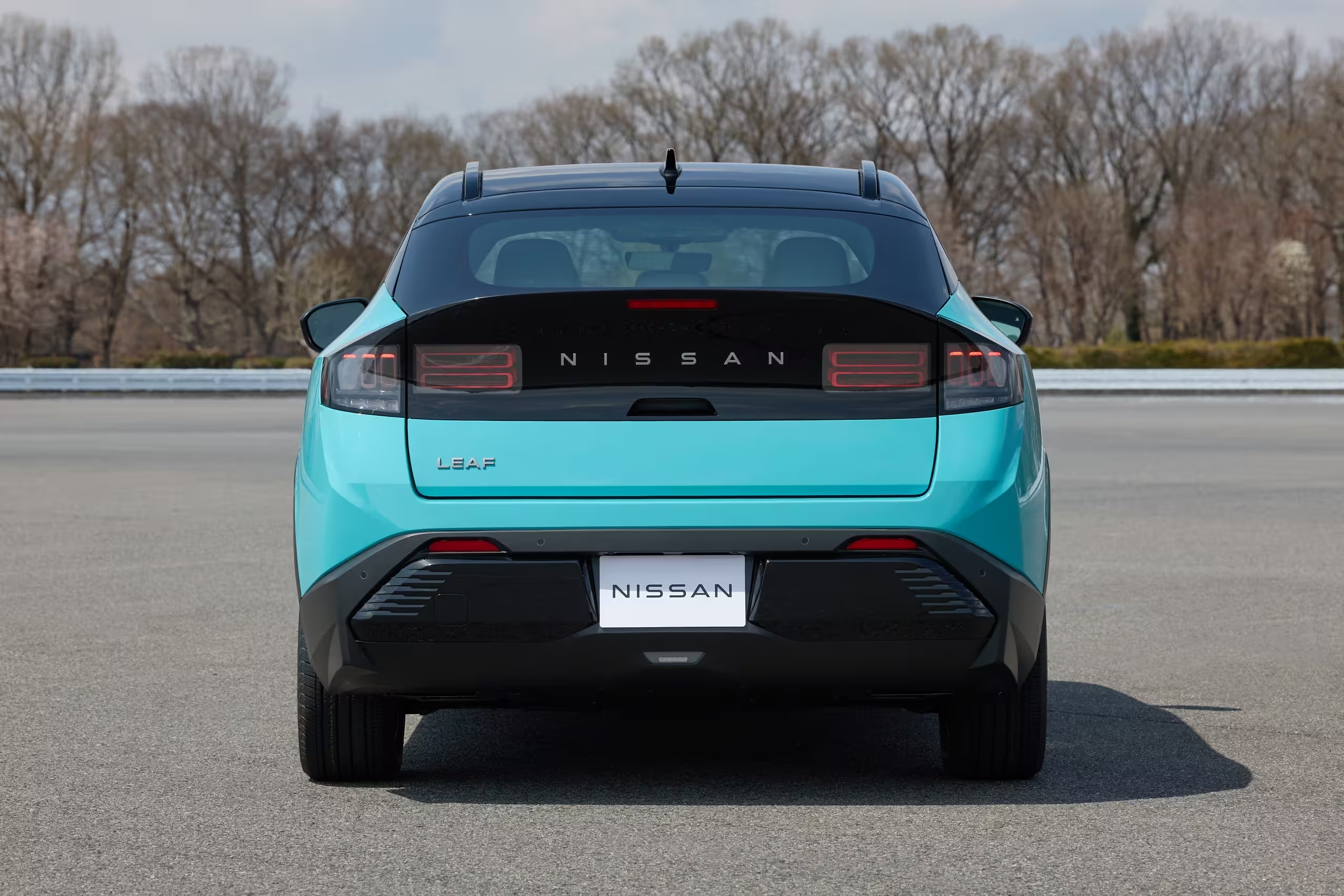
Questions remain for some owners: will this change how people view rear-seat safety in affordable EVs? Maybe. For now the immediate priority is straightforward. Check your VIN, use LATCH if you need to, and get the seatbelt assemblies replaced on the dealer’s dime.

“I cover automotive innovation, electric vehicles, and the future of mobility — where technology meets sustainability.”

Discussion
Leave a Comment
Comments (2)
Wait so only Leafs built in Tochigi? Are Sunderland cars ok? VIN lookup feels clunky, did Consumer Reports trigger this or… anyone decoded it yet?
Whoa that’s scary! A belt letting go during a child seat install? No thanks. Glad Nissan is swapping parts, but parents check your VIN and use LATCH now, asap