
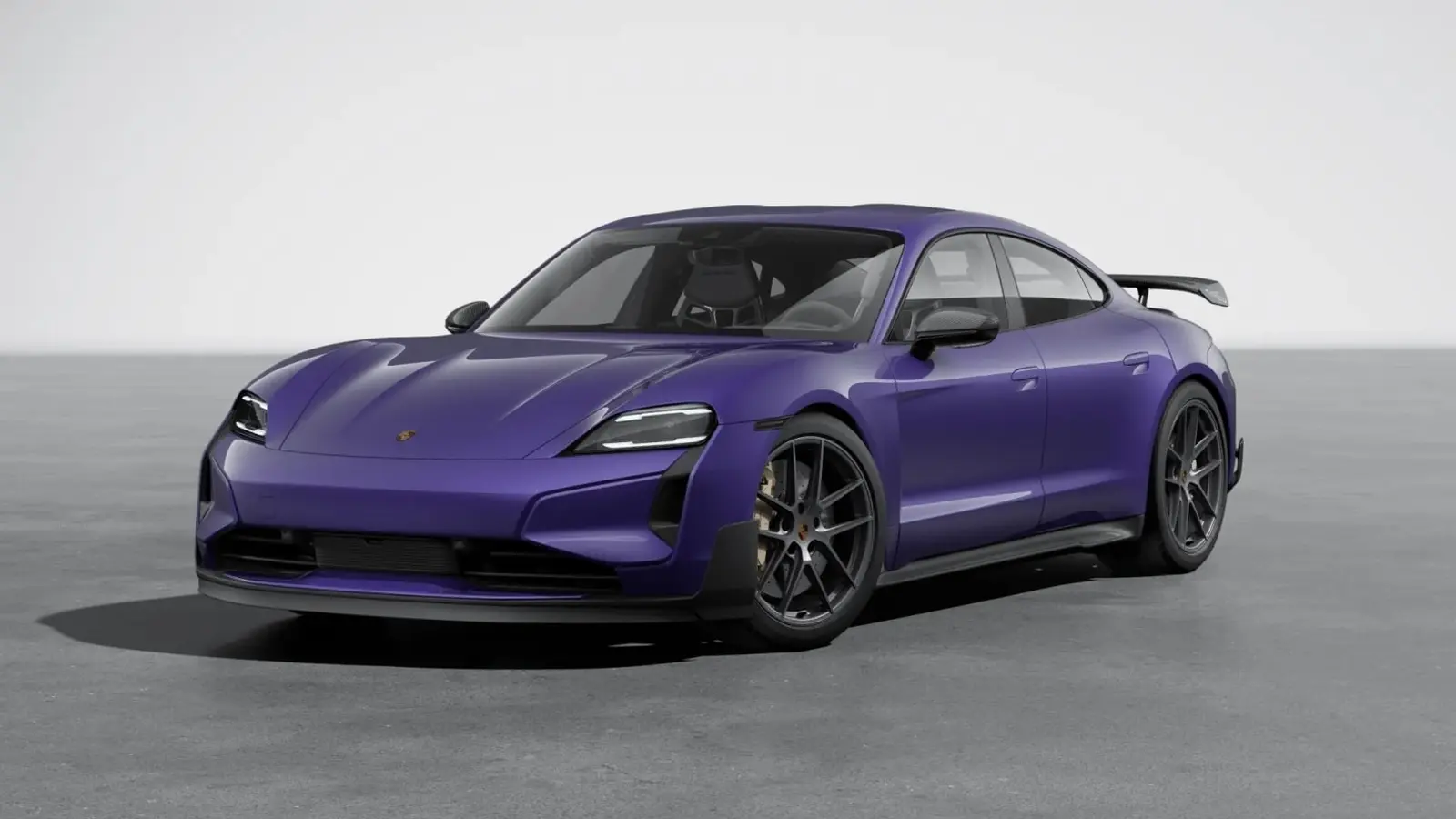
There’s a curious silence in the Zuffenhausen workshops where the Taycan once felt invincible. Once a poster child for Porsche’s electric ambitions, the first production EV from the Stuttgart marque now faces an uncertain fate, with internal discussions pointing to a phase-out by 2030.
Sales tell the blunt story. After peaking in the low tens of thousands, deliveries have crumbled: about 41,000 units in 2023, sliding to roughly 16,300 in 2025, and only some 6,200 in the first half of 2026. Those figures make the case for executives who are asking tough questions about model relevance and factory allocation.

From trailblazer to candidate for replacement
When it arrived in September 2019 the Taycan felt like a declaration of intent. The base first-generation model delivered around 402 hp and brisk acceleration, while the upper echelons of the range turned the sedan into a hyper-competitor. The Turbo GT, paired with Porsche’s Weissach options, produced headline-grabbing numbers: roughly 778 hp in steady output and short bursts nudging past 1,000 hp with its performance mode. Zero to 100 kph in about 2.1 seconds. These were figures that put the Taycan in direct competition with the likes of the Tesla Model S Plaid and other high-power EV sedans.

Yet impressive spec sheets don’t guarantee long-term demand. Reports indicate Porsche debated moving Taycan production from Zuffenhausen to Leipzig, and even considered winding the model down entirely. The company appears to favor a gradual phase-out rather than an abrupt stop — a choice the works council has reportedly accepted.
Still, public messages have been more cautious. CEO Michael Leiters told a major German newspaper earlier this year that Porsche has invested heavily in the Taycan and is tracking market interest before making any drastic moves. That hedging is pragmatic. It keeps options open while the wider EV market continues to recalibrate around new platforms, customer tastes, and profit margins.
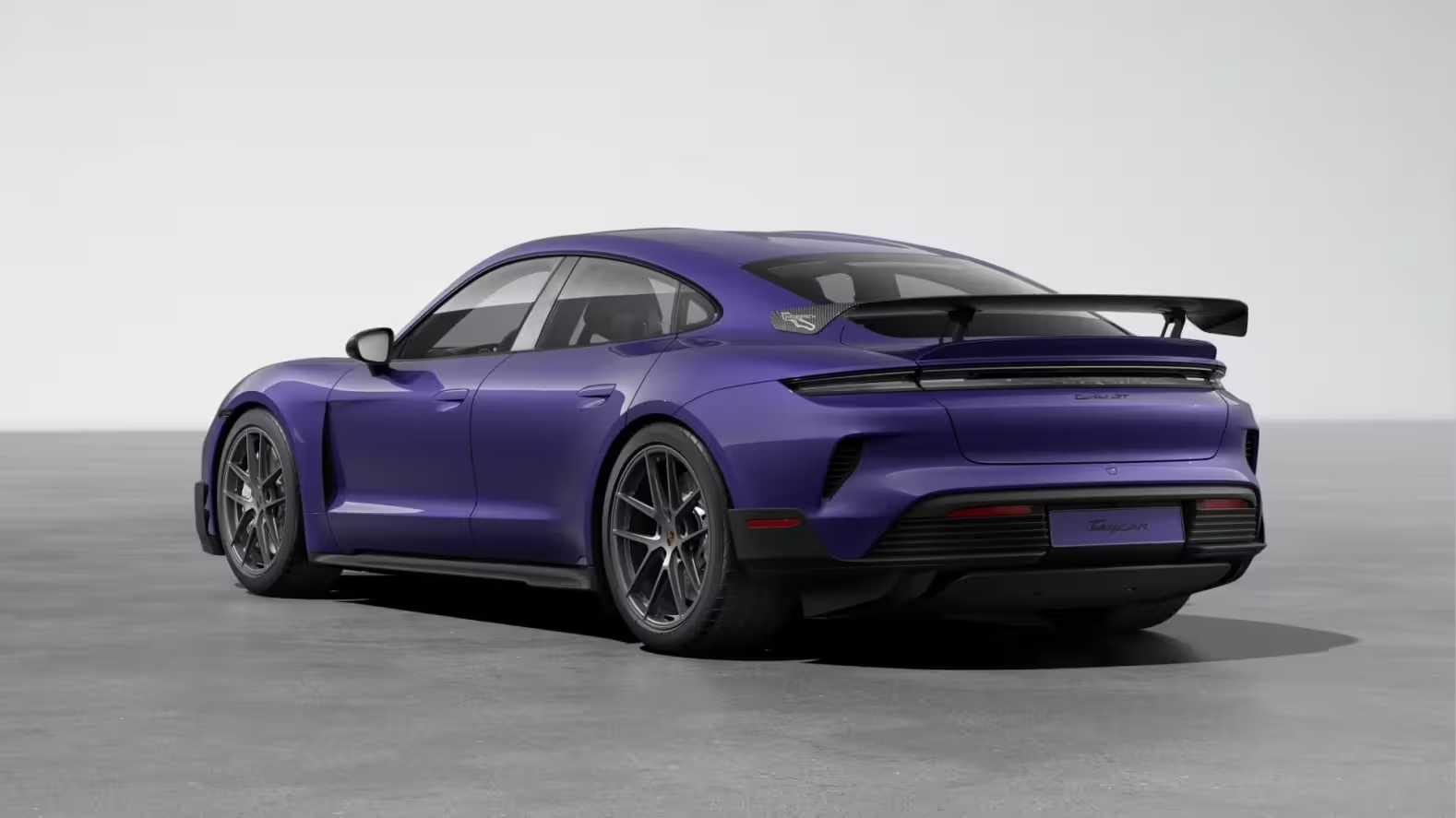
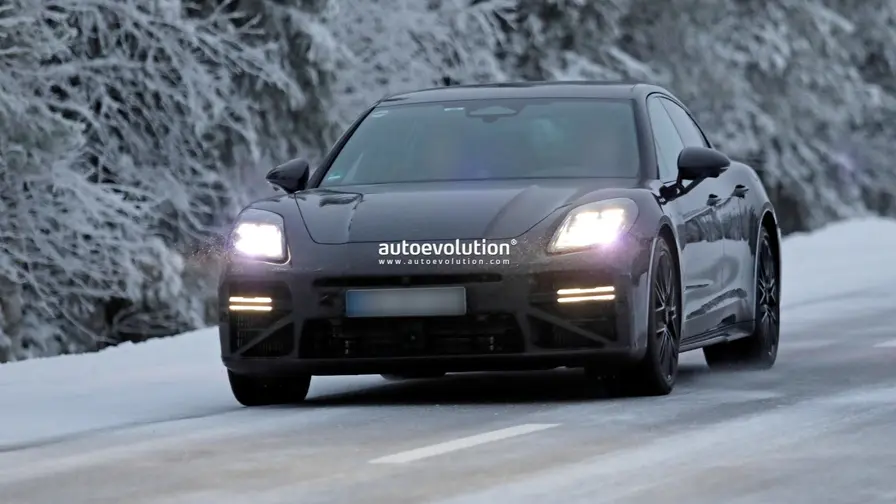
So what happens to Taycan buyers and fans? Replacement plans are already being whispered. Porsche recently brought an electric Cayenne to market, and it engineered a Turbo Electric variant rated at roughly 1,140 hp, showing the brand’s appetite for extreme EV performance hasn’t faded. Meanwhile, insiders say an electric Panamera could inherit the sedan role currently occupied by the Taycan, potentially built in Leipzig.

Is this a retreat? Not exactly. It’s more of a reshuffle. Porsche is pruning models where demand has weakened and concentrating on architectures that promise better economies of scale and clearer customer demand. Popular SUVs and fresh EV architectures headline that strategy. The Taycan’s platform might be less flexible for future needs than a newer, more modular architecture.
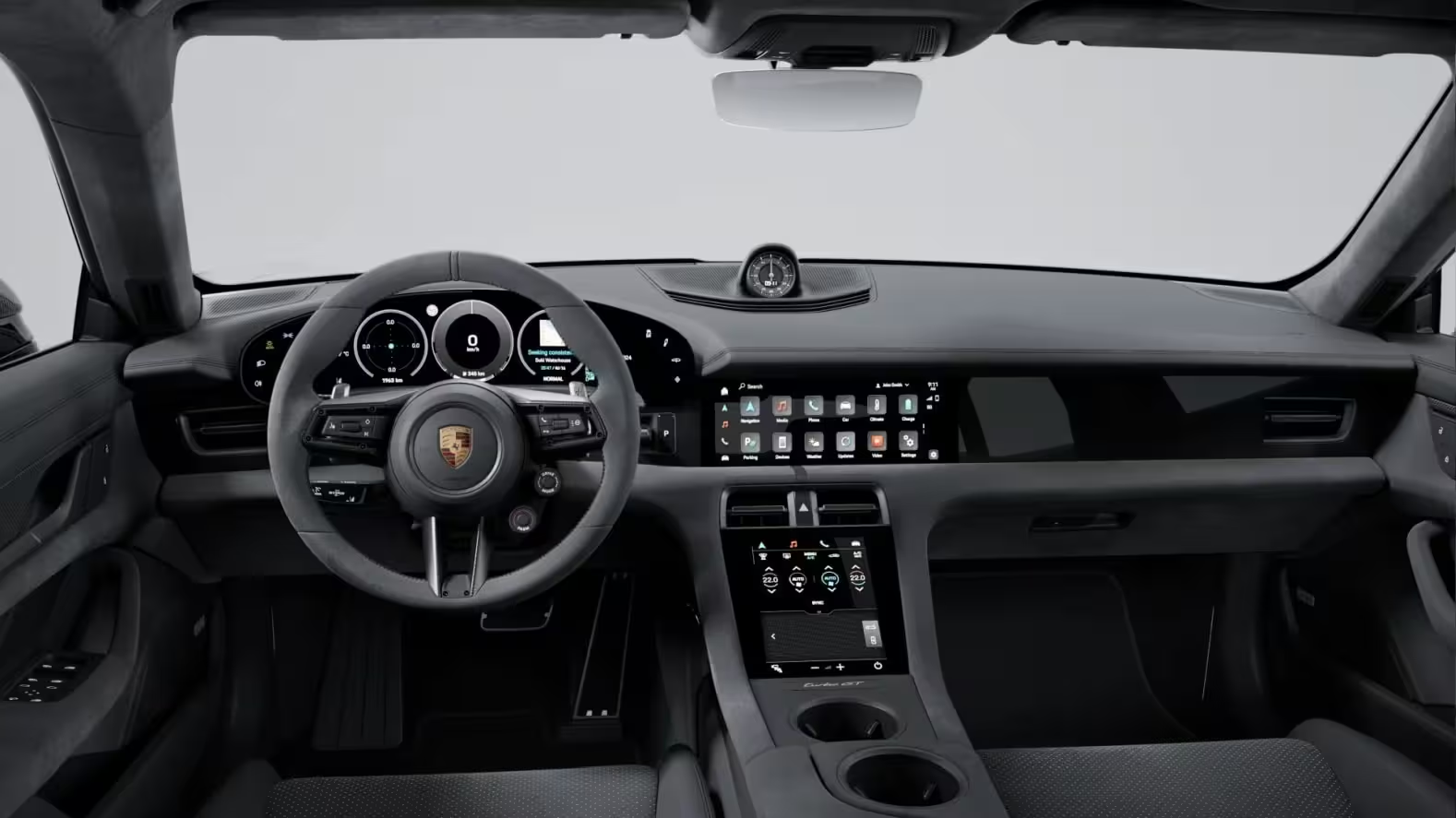
What drivers can expect is continuity in Porsche’s performance ethos, even as the roster evolves. The name Taycan may fade, but the lessons it taught Porsche — about high-voltage thermal management, fast charging behavior under sustained load, and what performance EV buyers truly value — will live on in upcoming models.
Porsche is not abandoning electric cars.
Instead, the company looks set to reallocate resources toward models and plants that better match its long-term EV ambitions. For readers tracking the next chapter, watch Leipzig closely: it could be the home of Porsche’s next-generation electric sedan.

“I cover automotive innovation, electric vehicles, and the future of mobility — where technology meets sustainability.”

Discussion
Leave a Comment
Comments (2)
Is this even true? Those sales drops look extreme, maybe churn or pricing killed it. If Panamera takes over, will fans accept it? kinda skeptical.
wow, tough read. Taycan felt invincible but markets are brutal. Sad to see it fade, hope Porsche keeps the soul alive in whatever replaces it…