
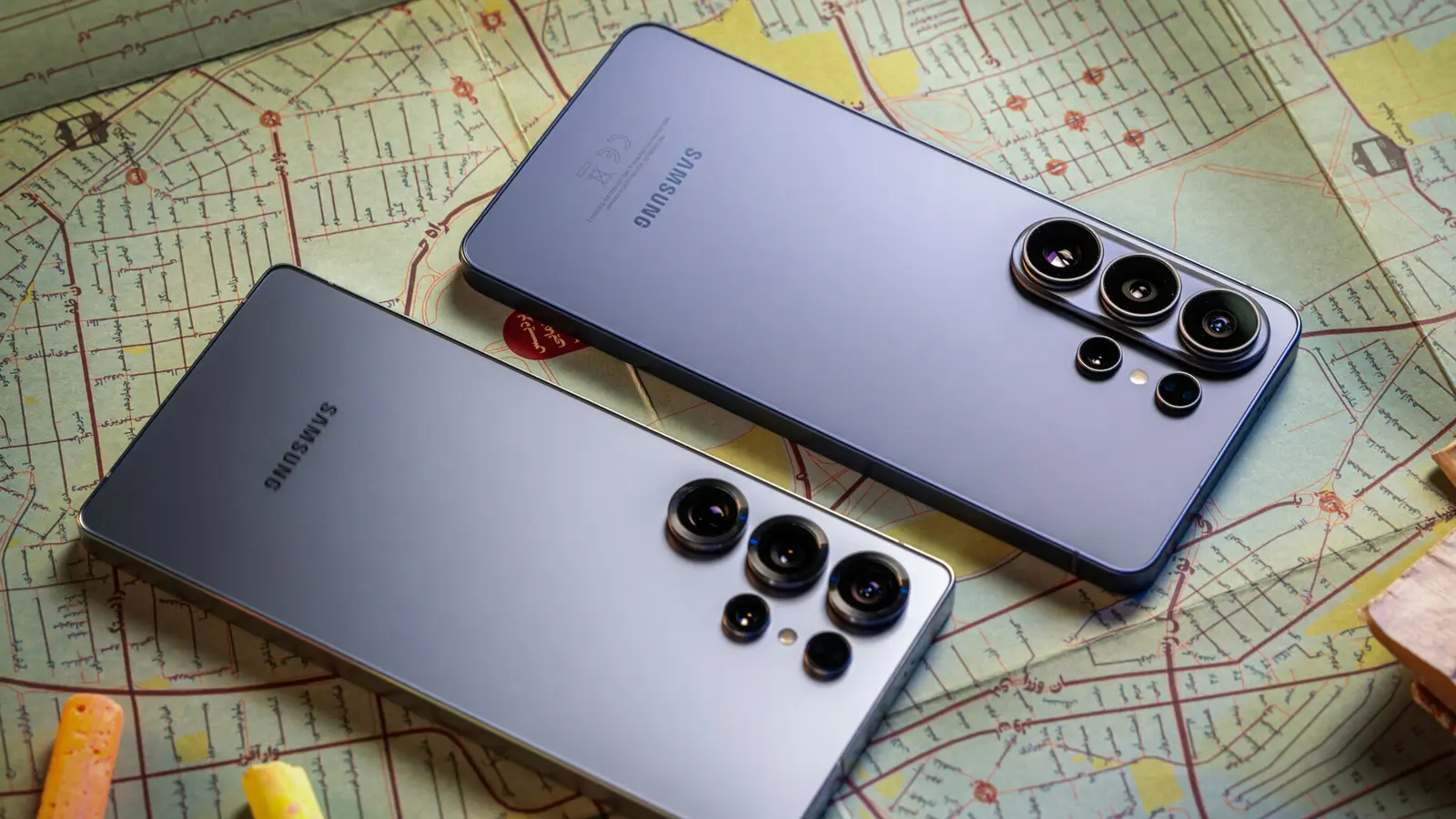
Imagine lining up for the next Galaxy S flagship and finding the price higher than you expected. It’s not just inflation talk this time. A cascade of supplier cost increases is starting to reach the corner of the market that matters most to buyers.
When suppliers squeeze, flagships feel it
Bloomberg reports that Qualcomm has told customers it will raise chip prices by a double-digit percentage for products shipped after September 1, 2026. The move follows suppliers charging more for components used in chip fabrication, and Qualcomm says it has exhausted options to absorb those costs.
Qualcomm declined to comment on the story. Still, if the company follows through, Snapdragon chipsets and other components it supplies will get pricier. That matters because Samsung uses Qualcomm’s premium Snapdragon silicon in its Ultra models in many regions.
Samsung has already nudged prices upward for its new foldables. Memory and storage chips have seen steep increases too. Put those together and the math is simple: higher component costs make it harder for manufacturers to keep retail prices steady.

Who ends up covering the difference? Often, you the buyer. Manufacturers can eat a hit for a while, but prolonged cost pressure usually translates into higher sticker prices or trimmed specs.
Expect the next Galaxy S Ultra to cost more if these supplier hikes stick.
There’s nuance. Samsung could shift sourcing, tweak component choices, or adjust production runs to blunt the impact. It could also lean harder on in-house parts where available. But these moves take time, and holiday product planning is already underway.
So when preorders and leaks for the Galaxy S27 Ultra start to spread, watch pricing signals closely. A higher MSRP would reflect more than one company tightening its belt — it would be the visible result of a stretched supply chain pushing costs back to consumers.

“I love exploring gadgets, apps, and trends that redefine how we connect, work, and play in a digital world.”

Discussion
Leave a Comment
Comments
No comments yet. Be the first.