
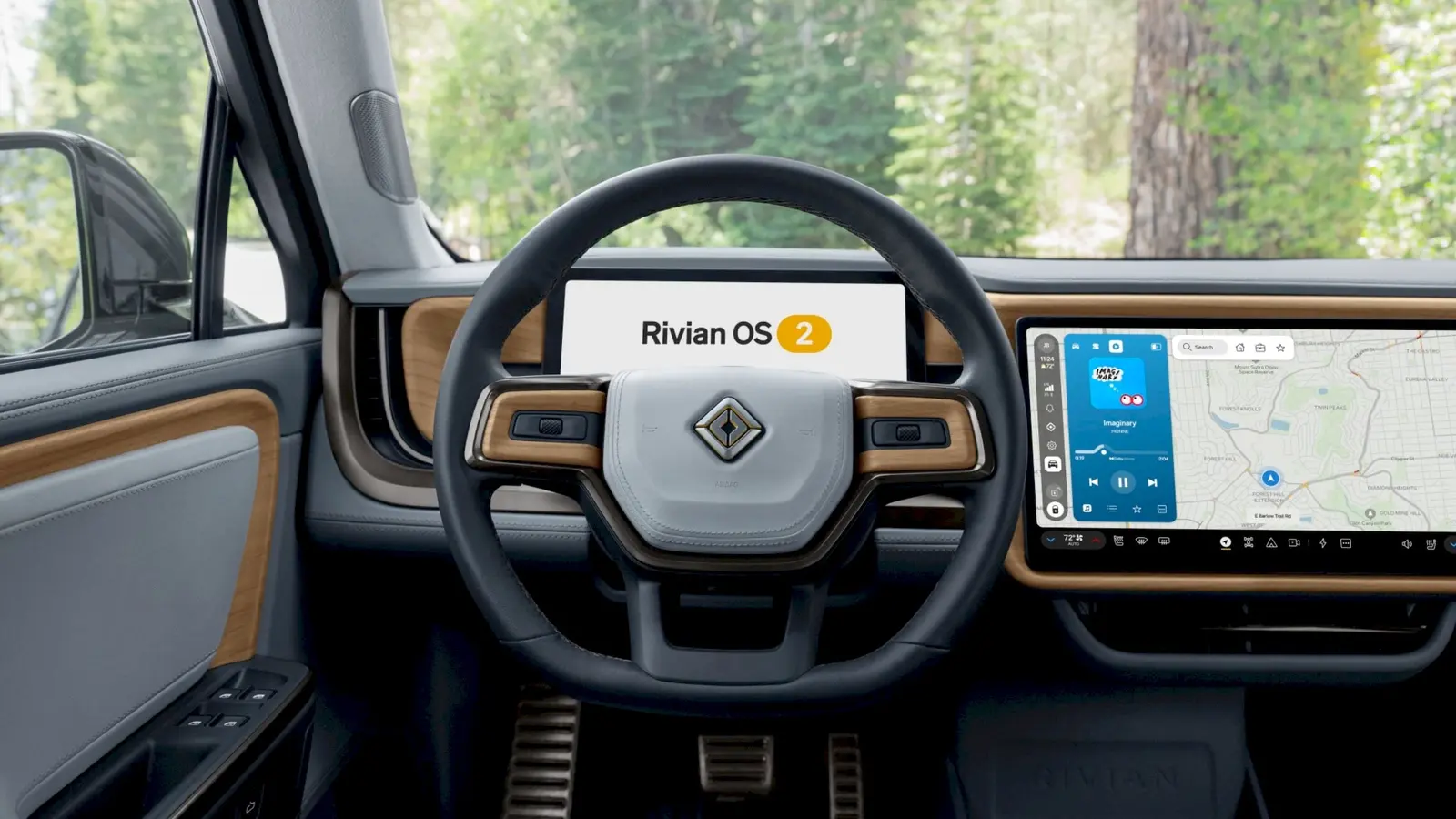
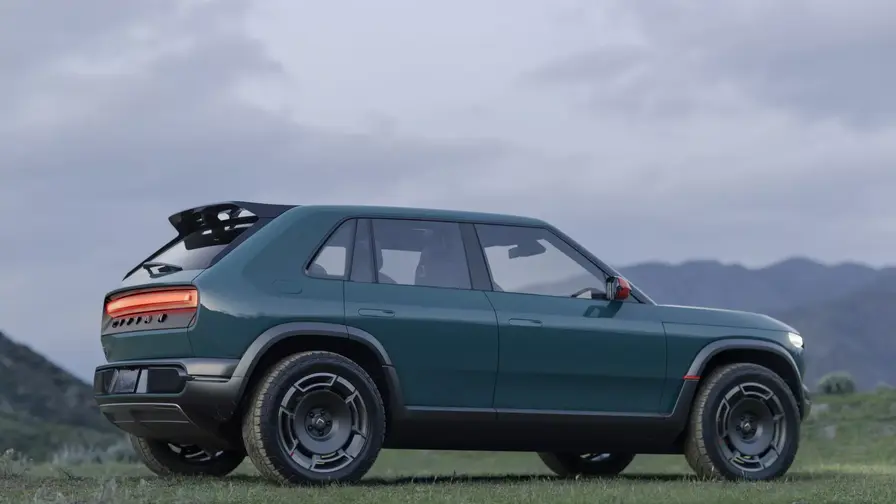
Imagine sitting behind the wheel, coffee cooling in the cupholder, and your Rivian chirps with one simple message: update available. For many R1 owners that small ping will mean a much bigger change. Rivian has confirmed that Rivian OS 2, the software that runs the new R2 crossover, will arrive on every R1S and R1T, Gen 1 and Gen 2, via the 2026.31 over the air update expected in October.

A single software voice for the whole fleet
This is more than a cosmetic refresh. Rivian's software chief Wassym Bensaid says the company rebuilt the R1 experience from the ground up so it matches the R2's performance and look. The goal is clear: one design language across vehicle screens, the web, mobile apps, and even internal tools so the brand feels consistent whether you interact with a truck, an app, or a service portal.
Under the hood, Rivian OS 2 is based on Android Automotive but rewritten to be faster and more responsive. That rewrite aims to fix long-standing complaints about R1 systems, including memory leaks and apps lingering in RAM until the system slowed to a crawl. Less lag. Fewer forced reboots. A smoother, more fluid experience overall.

Not everything will be equal, though. Hardware limitations mean some features will only appear on newer models. Advanced driver assistance functions, such as point to point automated driving, will not be available on Gen 1 R1s. Think of this rollout like moving everyone onto the same road, but some cars still travel in slower lanes.
- What you get: a unified UI, faster interactions, and a more modern software foundation.
- What you may not get: hardware-dependent perks like the most advanced assisted driving features on Gen 1 vehicles.

Why does this matter? For owners, it promises a cleaner, more reliable cabin tech experience. For Rivian, it reduces fragmentation and simplifies future feature development. Instead of maintaining divergent codebases for a growing model lineup, engineers can focus on building features once and scaling them across the fleet.
When the OTA hits, expect the usual phased rollout. Not every vehicle will receive the update on day one. Keep an eye on Rivian's app and the vehicle notification center. If your truck or SUV is eligible, the update will arrive automatically; you may need to schedule installation so it completes while the vehicle is parked.
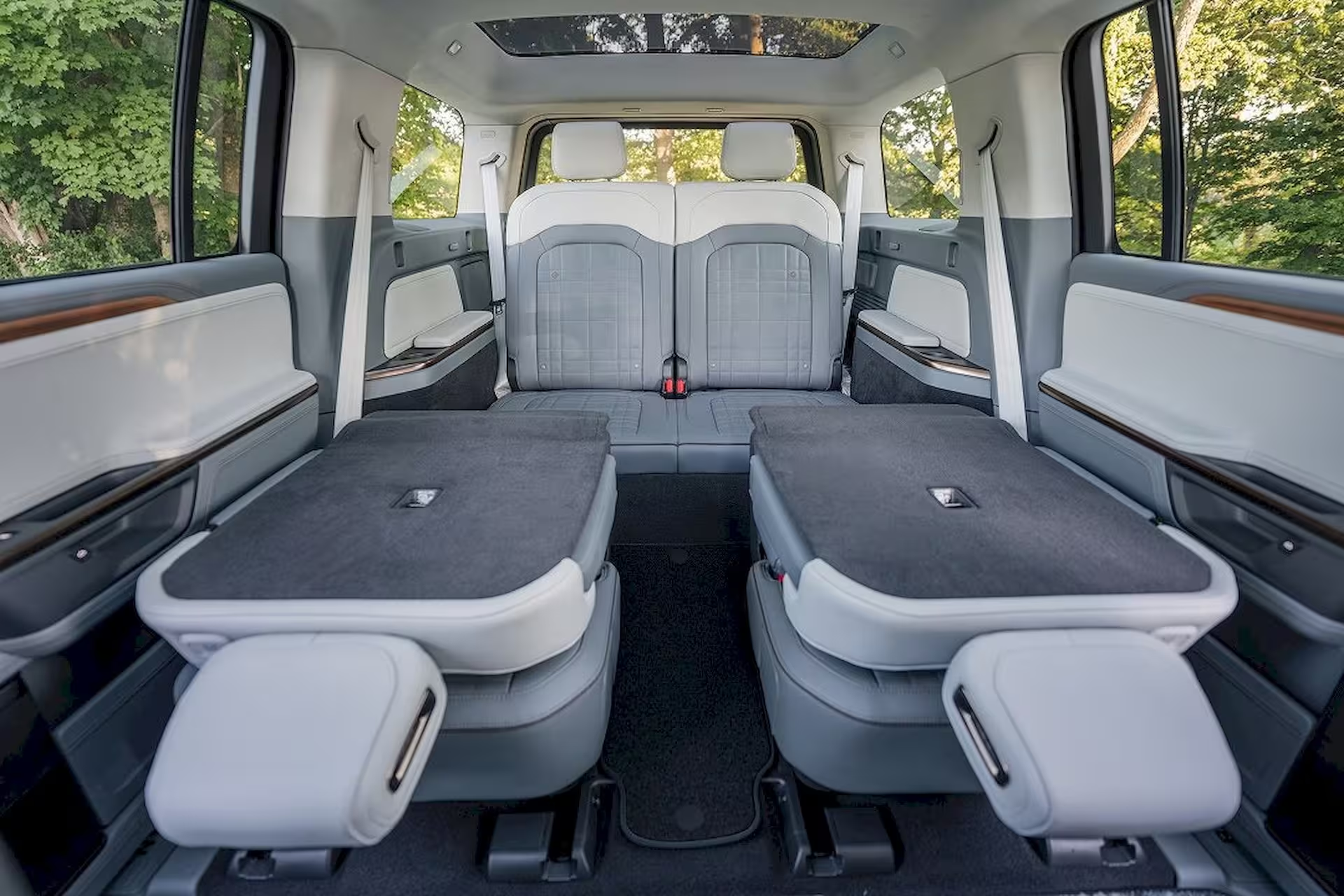
Rivian's software journey has been bumpy at times, but moving all R1 vehicles to OS 2 is a decisive step toward a cleaner, unified future. It will not erase hardware limits, but it should make the daily experience decidedly better. For anyone invested in the Rivian ecosystem, October could feel like a fresh start.

“Cars are evolving faster than ever. I cover electric vehicles, smart mobility, and the future of transportation worldwide.”

Discussion
Leave a Comment
Comments
No comments yet. Be the first.