

Picture this: you unwrap a brand new Galaxy S27 Ultra and, instead of the ubiquitous Snapdragon badge, you find Samsung’s own Exynos under the hood. Surprising? Yes. Possible? Apparently so.
A late twist in the chip story
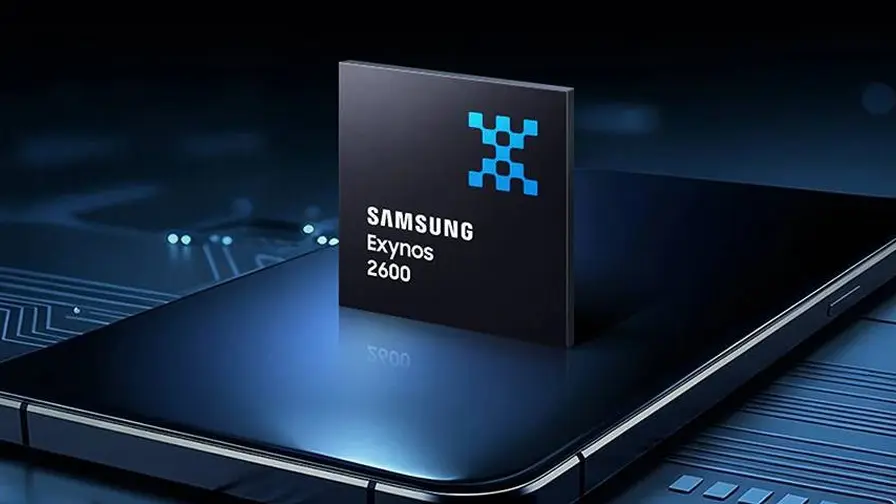
Sources speaking with MoneyToday say Samsung Electronics is preparing Exynos 2700-powered variants of the Galaxy S27 Ultra after internal benchmarks gave the in-house chip a fresh vote of confidence. The timing is odd. Work on Snapdragon-based motherboards was reportedly near completion. Yet Samsung MX and its LSI division moved quickly to validate an Exynos option and lock in supply.
Why the change now? Two simple realities. First, competition on flagship silicon has tightened and every efficiency point matters. Second, using an internal Application Processor gives Samsung more control over performance tuning and component sourcing. The result is a split that looks familiar to long-time Galaxy watchers: Snapdragon in the United States, Exynos in Korea and Europe.
That regional split hasn’t applied to an S Ultra since the Galaxy S22 Ultra in 2022. If these reports hold, 2027 will mark a return to dual-sourcing at the very top of Samsung’s lineup.

Technically, the Exynos 2700 is built on Samsung’s enhanced SF2P 2 nm node. The company claims roughly a 26 percent reduction in power draw with about a 15 percent uplift in clock potential compared with its previous generation. Those figures, when translated into real-world battery life and sustained performance, are the kind of metrics that can flip a product decision late in development.
CAD renders circulating online show a familiar S26 Ultra footprint, with a new camera island and a modest battery bump. Samsung appears to be simplifying the rear camera array: the 10 MP 3x telephoto sensor is being retired in favor of a stronger 50 MP 5x telephoto unit. Fewer modules, more focus on high-quality optical zoom. That feels like a pragmatic step rather than a headline grab.
So what should buyers expect? Short answer: the same flagship experience, with subtle differences depending on region. Performance curves and imaging tuning may diverge slightly between Snapdragon and Exynos models. For most users, daily performance will feel seamless. For power users and benchmark fans, the choice of chip will matter more.
- Chip options: Snapdragon 8 Elite Gen 6 (US) and Exynos 2700 (Korea, Europe)
- Manufacturing: Exynos 2700 on Samsung SF2P 2 nm process
- Design: S26 Ultra-sized chassis, new camera island, slightly larger battery
- Camera: 50 MP 5x telephoto replaces the 10 MP 3x module
Samsung’s gamble is pragmatic. Dual-sourcing helps manage supply risk and can push internal teams to match or outperform competitors. But it also revives a conversation the brand has tried to move past: are Exynos and Snapdragon versions of the same phone truly equivalent? Samsung will need to make sure the answer feels like “yes.”
Expect more leaks and a clearer picture as we move closer to the S27 launch window. For now, the quiet reappearance of Exynos at the very top of Samsung’s lineup is the kind of industry plot twist that matters more than it looks on paper.

“I love exploring gadgets, apps, and trends that redefine how we connect, work, and play in a digital world.”

Discussion
Leave a Comment
Comments (2)
Makes sense tbh. More control over silicon = smarter tuning and fewer supply headaches. But will Exynos actually match camera+benchmarks? pls dont nerf Europe users
wait so after finishing Snapdragon boards they swap in Exynos? sounds messy. if that's real then show me side by side battery tests, imaging tuning will make or break it, tbh