
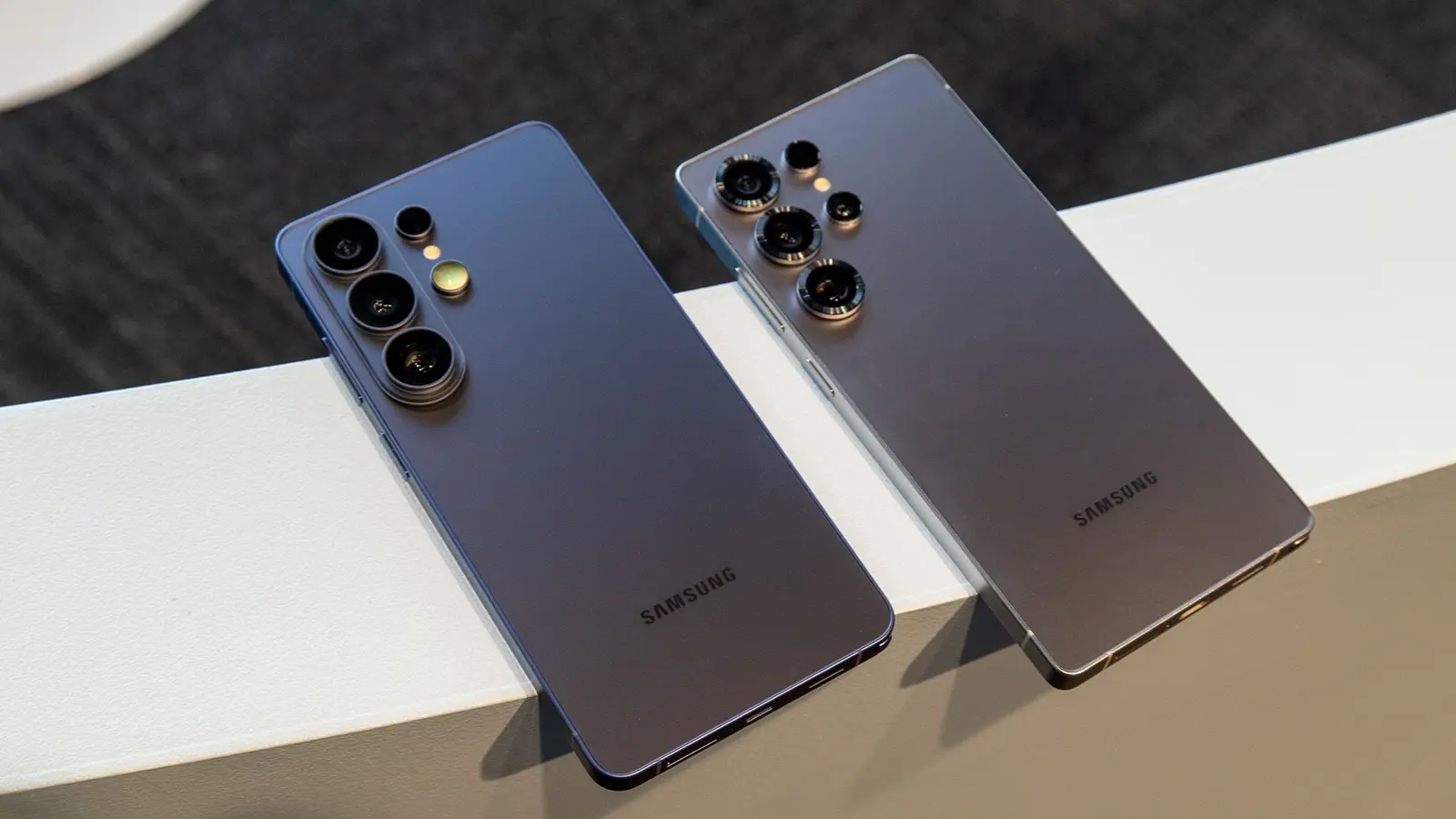
The scene: a Texas courthouse filing that could ripple through phone aisles and server racks across America. One small intellectual property firm has asked a judge for something big — a permanent stop to sales, imports and production of many Samsung products in the U.S.
Creston IP, a company that manages patents, filed suit in the Eastern District of Texas against divisions of Samsung, including Samsung Electronics and Samsung Semiconductor. The claim is blunt: Samsung allegedly used four of Creston's registered technologies without permission across a wide range of devices.
Patents under the microscope and the devices named
These are not niche tweaks. The patents cover components central to modern hardware. One concerns hybrid oscillators, the circuits that help chips keep their timing accurate. Another targets hardware modules that generate secure passwords. The remaining two relate to wireless device management and adaptive voltage control in memory modules.
Creston lists a long roster of products it says are affected: Galaxy S-series phones including the S25 and S26, Galaxy Z foldables, Galaxy Tab tablets, Galaxy Book laptops, and even storage components such as SSDs and 3D NAND flash chips. The company is asking the court not only for damages and legal costs but also for a permanent injunction blocking manufacture, import and sale of the alleged infringing products in the U.S.

Could a ruling like that really pull Galaxy devices off American shelves? Courts do sometimes issue injunctions in patent disputes, though judges weigh public interest, market disruption and availability of alternatives before doing so. A ban that broad would be dramatic. It would also be contested. Expect an aggressive defense, appeals and likely licensing negotiations before any consumer-facing blackout happens.
Why Texas? The Eastern District of Texas has long been a focal point for patent litigation thanks to its experienced judges and patent-friendly procedures. That track record draws plaintiffs who want a decisive venue. For Samsung, a global company with deep legal resources, this becomes a strategic fight over technology licensing and market access.
For now, this is an allegation. Samsung has not been found liable. But the complaint casts a wide net, and the stakes are practical: supply chains, product launches and even enterprise customers could feel pressure if courts accept Creston’s request for an injunction.
If the court grants a permanent injunction, Samsung could face a U.S. sales ban on many Galaxy devices and related parts.
What happens next? Discovery will probe designs and licensing history. Samsung could challenge the patents’ validity, push for narrowed claims, or seek licensing deals. Negotiation remains the most likely path to a settlement, but litigation timelines can stretch for years and move through appeals.
Consumers should not expect immediate shortages yet. Retailers still have stock, and legal safeguards often prevent abrupt market disruption while cases proceed. Still, this filing is a reminder that the unseen circuitry inside phones and memory chips can trigger public battles with real-world consequences.
The lawsuit is a legal escalation with potential commercial fallout. Watch the Eastern District of Texas docket and corporate statements in the coming weeks for whether this challenge turns into a landmark fight over the technologies powering modern devices.

“I cover emerging technologies, digital innovation, and the intersection of tech and everyday life. My goal is to make complex trends accessible and inspiring.”

Discussion
Leave a Comment
Comments (2)
Feels a bit overhyped, Creston might have a case but blocking S25s? supply chains would melt down. Prob settlement, still curious how they proved the tech..
Is this even real? Texas patents again, but can a judge really yank Galaxy phones off shelves, or is this just leverage... Samsung will fight, appeals galore, right?