
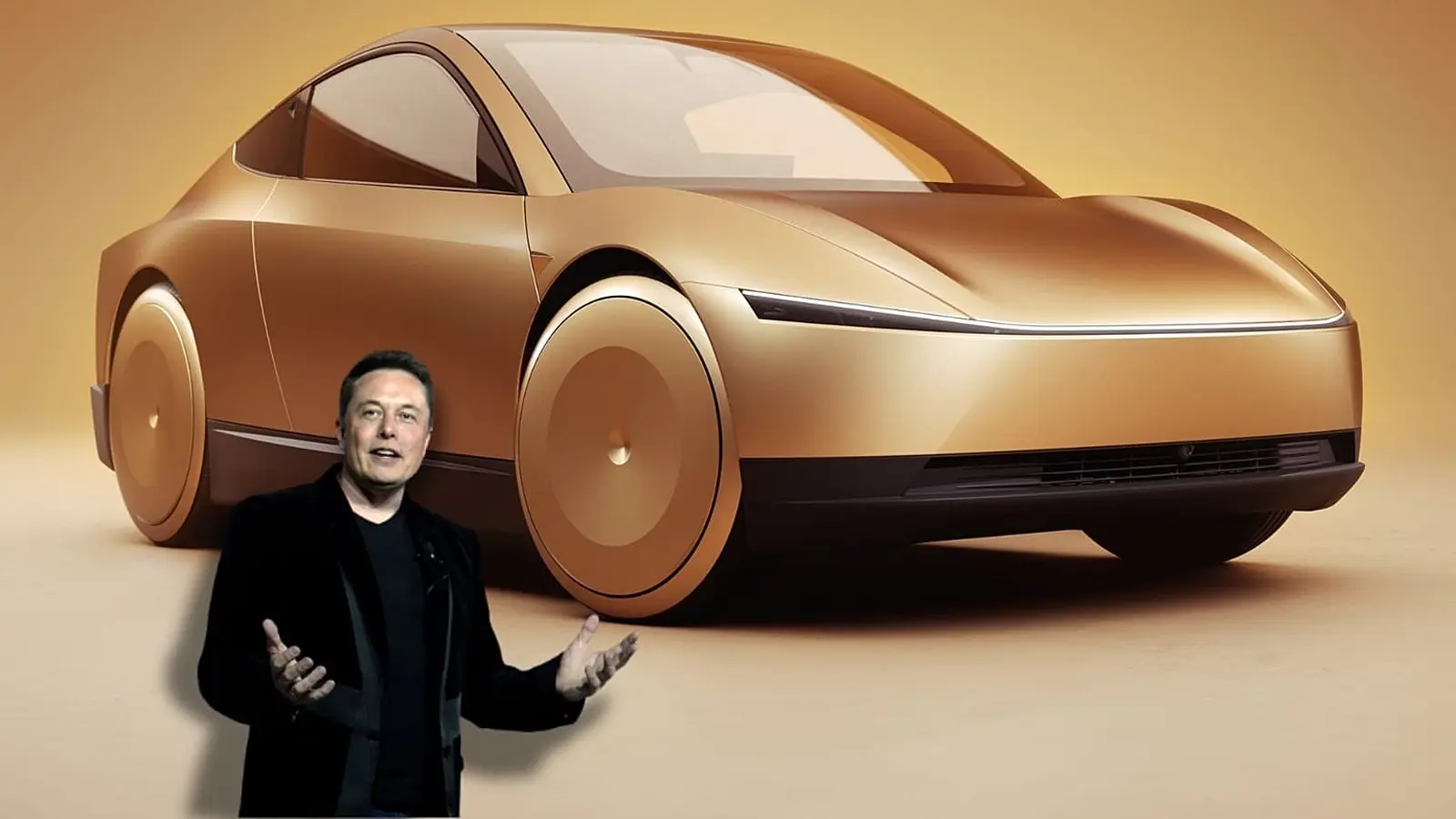
Tesla has told owners they will be able to connect their vehicles to the companys autonomous taxi network in the second quarter of 2027, allowing private cars to earn income by operating as robotaxis under Tesla management.
The company set a specific calendar window after years of broadly stated targets from its leadership. The announcement frames a more concrete timetable for a program that senior executives have long discussed without firm dates.
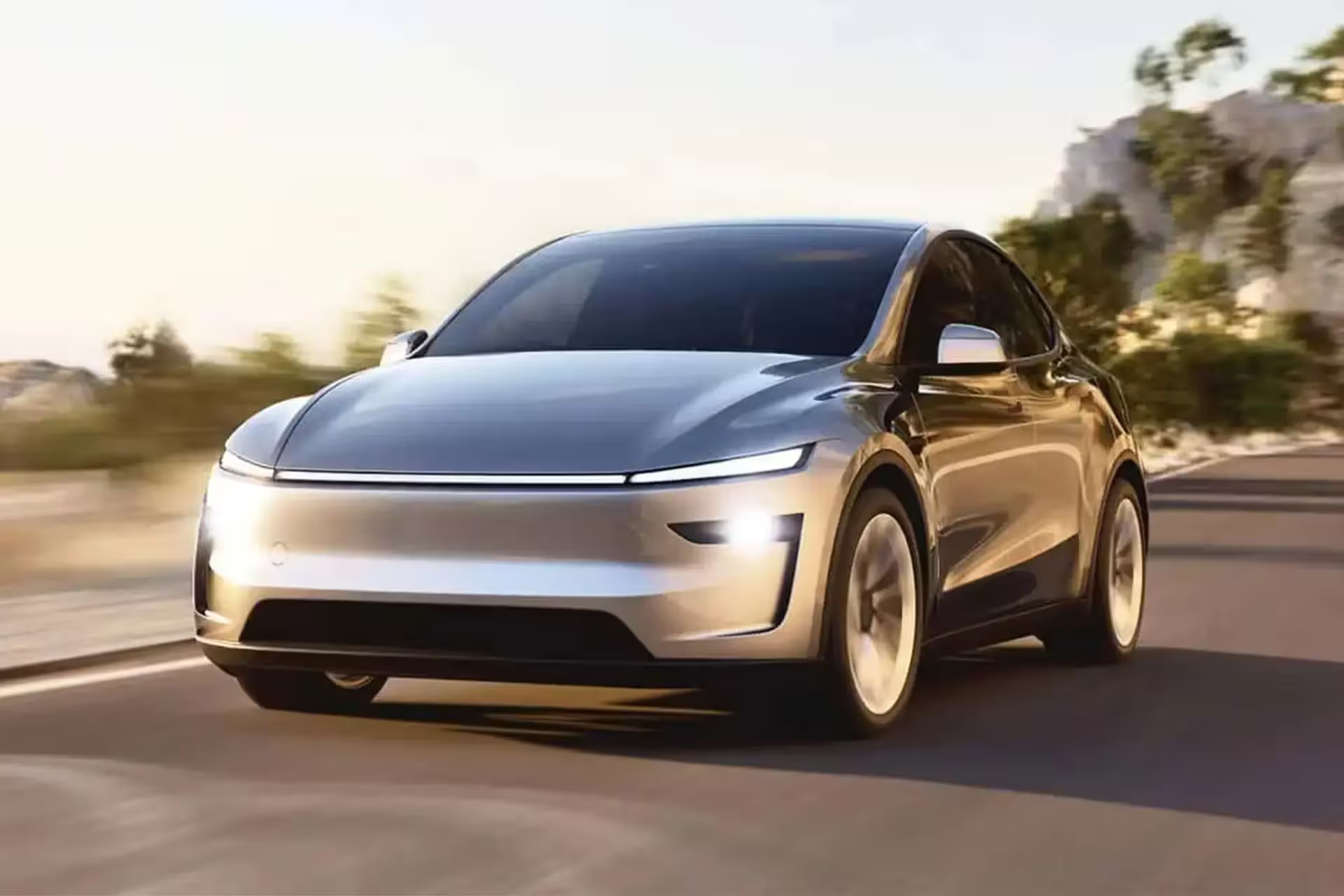
Ashok Elluswamy, Teslas vice president of autonomy, said the Cybercab and Model Y use the same software and that Tesla expects to make that software available to customers as part of a V15 release. He cautioned that additional checks will be required to ensure a customers vehicle can operate inside Teslas designated geofenced areas and interface with the companys fleet management systems for full self-driving. "We estimate around the second quarter of next year as the time we can begin bringing customer cars into the robotaxi fleet," he said.
Elon Musk first described a Tesla network that would function like a hybrid of ride-hailing and short-term vehicle sharing in 2019, and claimed more than a million robotaxis would be on the road by 2020. Despite technical progress, unsupervised full self-driving has not become a broadly realized service. Tesla currently operates only a few hundred robotaxis in Texas and Florida and has deployed dozens of driverless Cybercab units in Austin.
Recent financial figures from Tesla show that more than 75 percent of new buyers in North America ordered the supervised autonomous driving capability, a rise the company described as a 20 percent increase. In its safety report Tesla also said the distance driven in self-driving mode by its vehicles has reached 3.3 million miles, about 5.31 million kilometers.
Regulatory and hardware hurdles
Bringing customer cars into a commercial robotaxi pool will face multiple legal and practical obstacles. Local and state approvals and insurance coverage for commercial autonomous operations remain unresolved in many jurisdictions. Older hardware on early Model 3 and Model Y cars may lack the processing capability Tesla requires for its latest neural-network workloads. And there are regulatory limits on using private vehicles for commercial passenger service without an onboard driver.
Tesla reported a cumulative 3.3 million miles in self-driving operation, approximately 5.31 million kilometers, in its safety documentation.

“I cover automotive innovation, electric vehicles, and the future of mobility — where technology meets sustainability.”

Discussion
Leave a Comment
Comments
No comments yet. Be the first.