
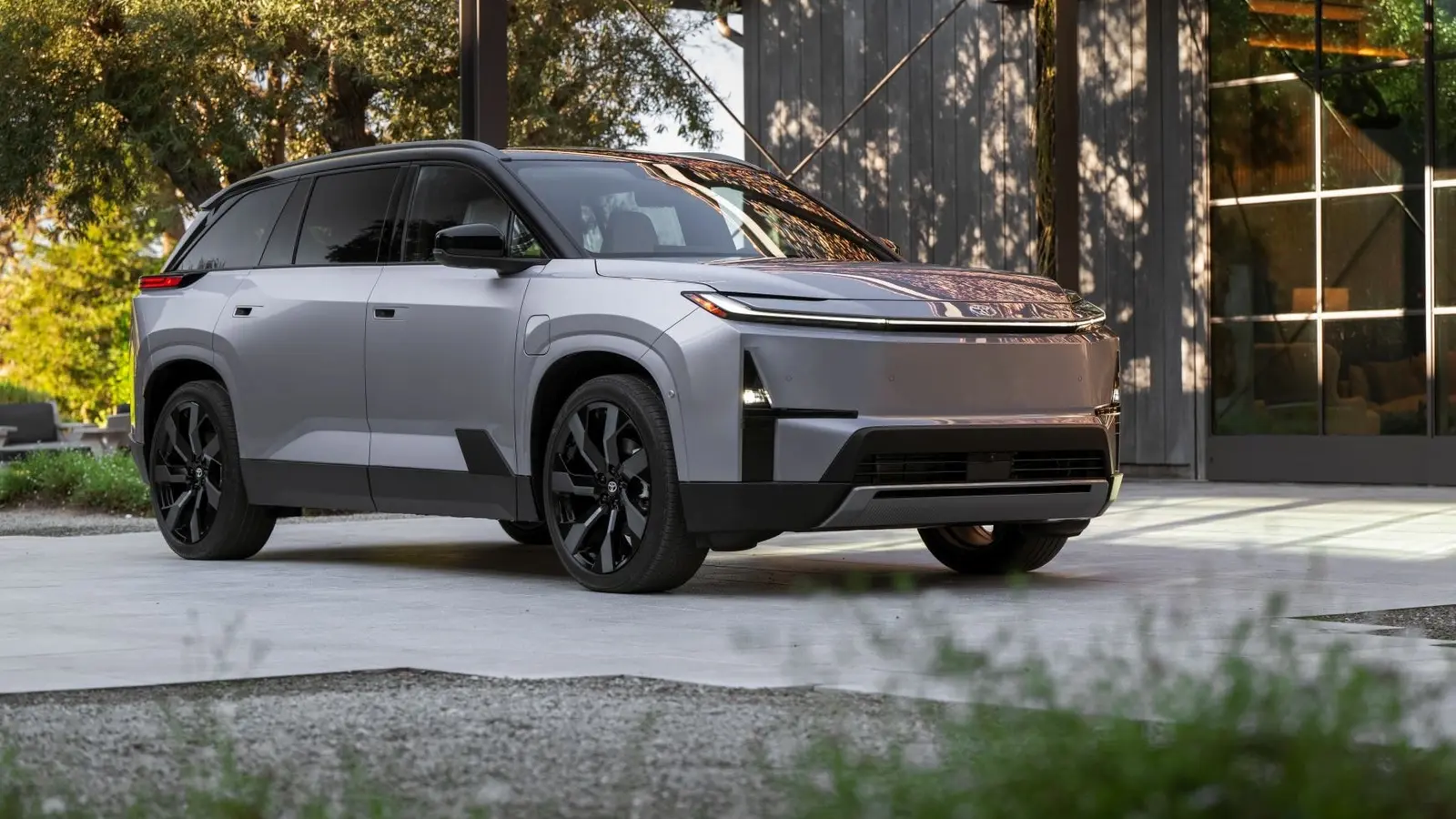
Walk into a Toyota dealership this winter and you might spot more of the familiar 2026 Highlanders than new electric models. Toyota had hoped to flip the switch on Highlander EV production this summer, but the calendar has other plans. The launch has been pushed into early to mid 2027, and the reasons are as practical as they are strategic.
Inside the pause: factories, demand and a careful rollout
Toyota confirmed a minimum delay of eight weeks, but the ripple effects are larger than that neat number suggests. Kentucky's assembly lines are busiest right now. Camry and RAV4 output is being ramped up to meet strong demand, and adding an entirely new electric production stream takes time, tooling and space. So Toyota is shuffling resources, expanding lines, and adjusting the Highlander's start date to avoid chaos on the floor.

That decision forces a short-term reality: the current gas and hybrid Highlander models will remain in production through at least December 2026. Dealers are likely to carry 2026 inventory well into 2027. If you try to order a new Highlander in January 2027, expect to be steered toward the Grand Highlander, which will still be rolling off the line.
Why not rush it? Because when it comes to EVs, a botched launch is costly. Toyota remembers that lesson. The bZ4X stumble in 2022 left a mark, and the company has spent the last few years fixing reputation and hardware. The rebranded Toyota bZ of 2026 is proof that Toyota can course-correct, but the automaker isn't willing to risk another rocky debut for a flagship three-row electric SUV.
There are strategic angles, too. Highlander Hybrid sales are hot right now, up roughly 48.9 percent year-to-date. That strength means Toyota can comfortably extend the existing lineup while it retools for EV production, rather than cannibalize sales or flood the market with half-baked models.

Some questions remain open. The Highlander EV sits on Toyota's TNGA-K EV architecture, a platform shared with the closely related Lexus TZ and Subaru Getaway. Toyota has not said whether those projects will feel the same scheduling squeeze.
When it does land, the 2027 Highlander will be purely electric. The range-topping all-wheel-drive version will reportedly produce up to 338 horsepower and use a 95.8-kWh battery pack. Toyota estimates up to 320 miles of range on a single charge and the vehicle will support Tesla NACS charging, making longer trips easier for owners who rely on public networks.

Price is still a moving target. Toyota hasn’t released final MSRPs for Europe, but U.S.-based expectations put the starting price for the base XLE front-wheel-drive model at roughly €46,000. That positions the Highlander EV to compete in the mid-priced three-row EV segment where buyers want space, comfort and usable range without exotic premiums.
So what should buyers do? If you need a Highlander now, there will be ample 2026 gas and hybrid models on lots. If you want a full-electric Highlander specifically, prepare for a wait and for limited early availability once production begins. A little patience could mean getting a more thoroughly tested vehicle and smoother ownership from day one.

Toyota's delay is not a setback in intent. It's a reminder that building complex EVs at volume requires choreography between factories, supply chains and market timing. Toyota is buying time to get the choreography right.

“I cover automotive innovation, electric vehicles, and the future of mobility — where technology meets sustainability.”

Discussion
Leave a Comment
Comments (2)
Hmm, ok delay makes sense, but are Lexus and Subaru getting the same squeeze? Feels like supply chain cover sometimes. Also, 320 miles with 95.8 kWh? math seems optimistic.
Wow didnt expect 2027. Kinda relieved tho, rather a solid launch than another bumpy rollout. Dealers gonna sit on 2026 stock, wonder about prices, ugh.