
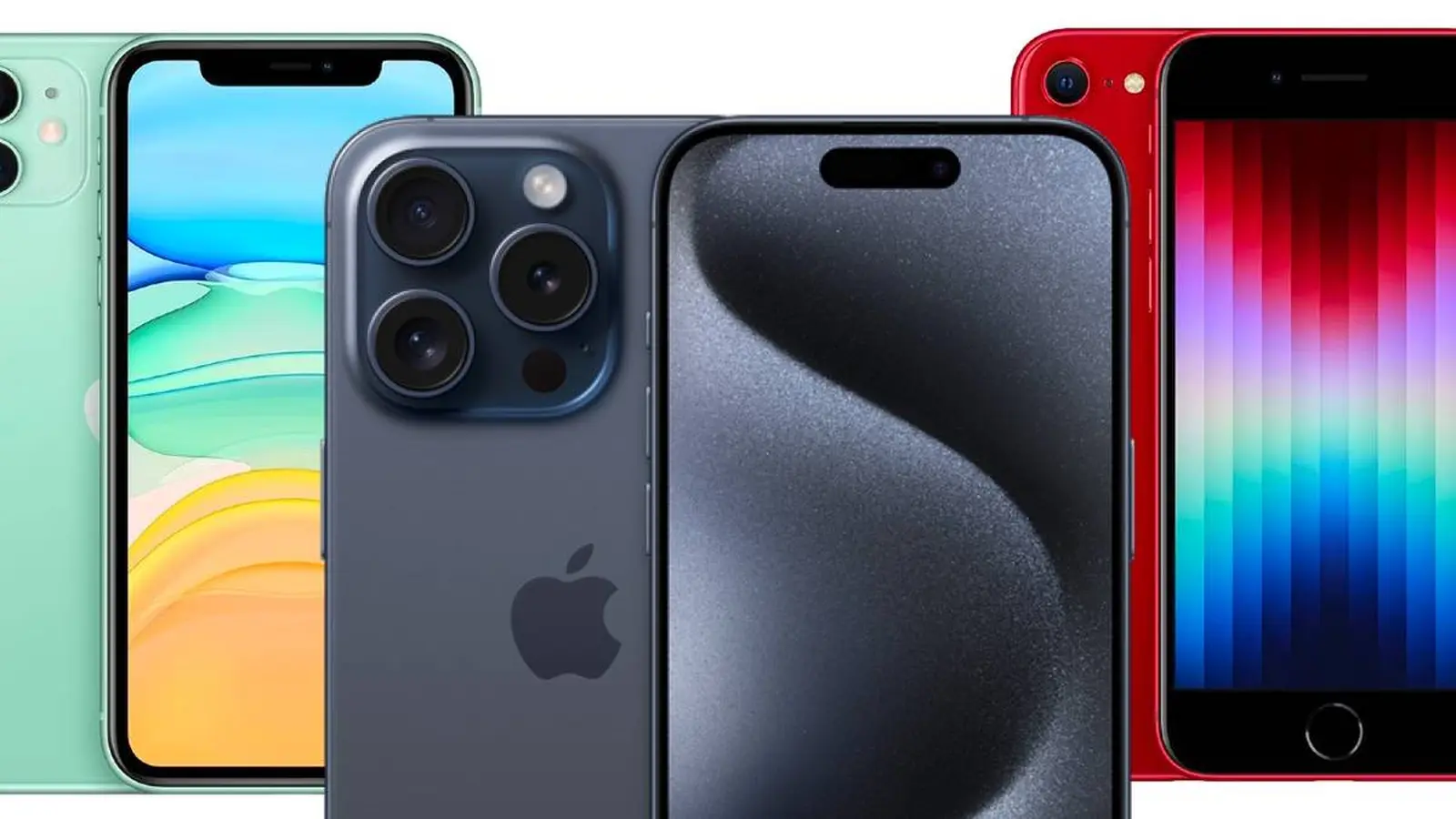
Picture this: a phone tucked into a pocket, swiped at a cafe, and minutes later a short USB sequence corrupts its boot path so the attacker can run custom code before the OS even starts. It sounds like science fiction, but researchers say that’s exactly the threat posed by a newly disclosed exploit named usbliter8.
usbliter8 exploits a hardware-level weakness in the USB subsystem combined with a particular firmware configuration on several Apple silicon families. The result is not a software bug you can patch from Settings. It’s a flaw baked into the way certain controllers handle USB data while a device sits in Device Firmware Update mode.
What devices are at risk
The vulnerability targets devices powered by A12, A13, S4 and S5 chips. That includes a broad swath of Apple’s recent lineup: iPhone XR; iPhone XS and XS Max; iPhone 11 and its Pro variants; iPhone SE (2nd generation); iPad Air 3; iPad mini 5; iPad (8th and 9th gen); Apple TV 4K (2nd gen); the Studio Display; and Apple Watch Series 4, Series 5 and Apple Watch SE. Older hardware running A11 appears unaffected.

Physical possession is a hard requirement. An attacker must have the device in hand and place it into DFU mode to trigger the fault. That reduces the remote-exploit threat, but increases the stakes around theft and targeted physical attacks. How often do you leave your device unattended?
The mechanics are unsettlingly elegant: by sending crafted USB packets while the device is in DFU, the exploit confuses the USB controller into writing data to incorrect memory locations. That opens the door to injecting a custom bootloader that bypasses signature checks and modifies system software before iOS loads.
There is a small bright spot. The Security Enclave — the isolated hardware area that stores passcodes, biometric data and other encrypted secrets — is not affected by this exploit. That means your encrypted keys and many personal secrets remain protected, even if the attacker manages to run code at boot.
Apple responded to the research and worked with the team that discovered the flaw. But because the root cause stems from hardware behavior and firmware configuration, there is no clean software patch for older affected models. That leaves two practical options: mitigate risk through better physical security and, for users who require the highest assurance, replace an affected device with a newer model that doesn’t use the vulnerable silicon.
Practical advice: don’t leave phones unattended, enable Find My and strong passcodes, and be mindful of unfamiliar charging points and cables. If your device is one of the models listed and you worry about targeted theft, consider upgrading. In security, sometimes the safest patch is a newer chip.


“I love exploring gadgets, apps, and trends that redefine how we connect, work, and play in a digital world.”

Discussion
Leave a Comment
Comments (2)
Feels kinda overhyped but also real. physical theft becomes way more attractive to attackers, sigh... not everyone can afford to upgrade.
Wait what? so a tiny USB sequence can corrupt the boot before iOS even loads... wtf, that's terrifying. never leave phones unattended.