
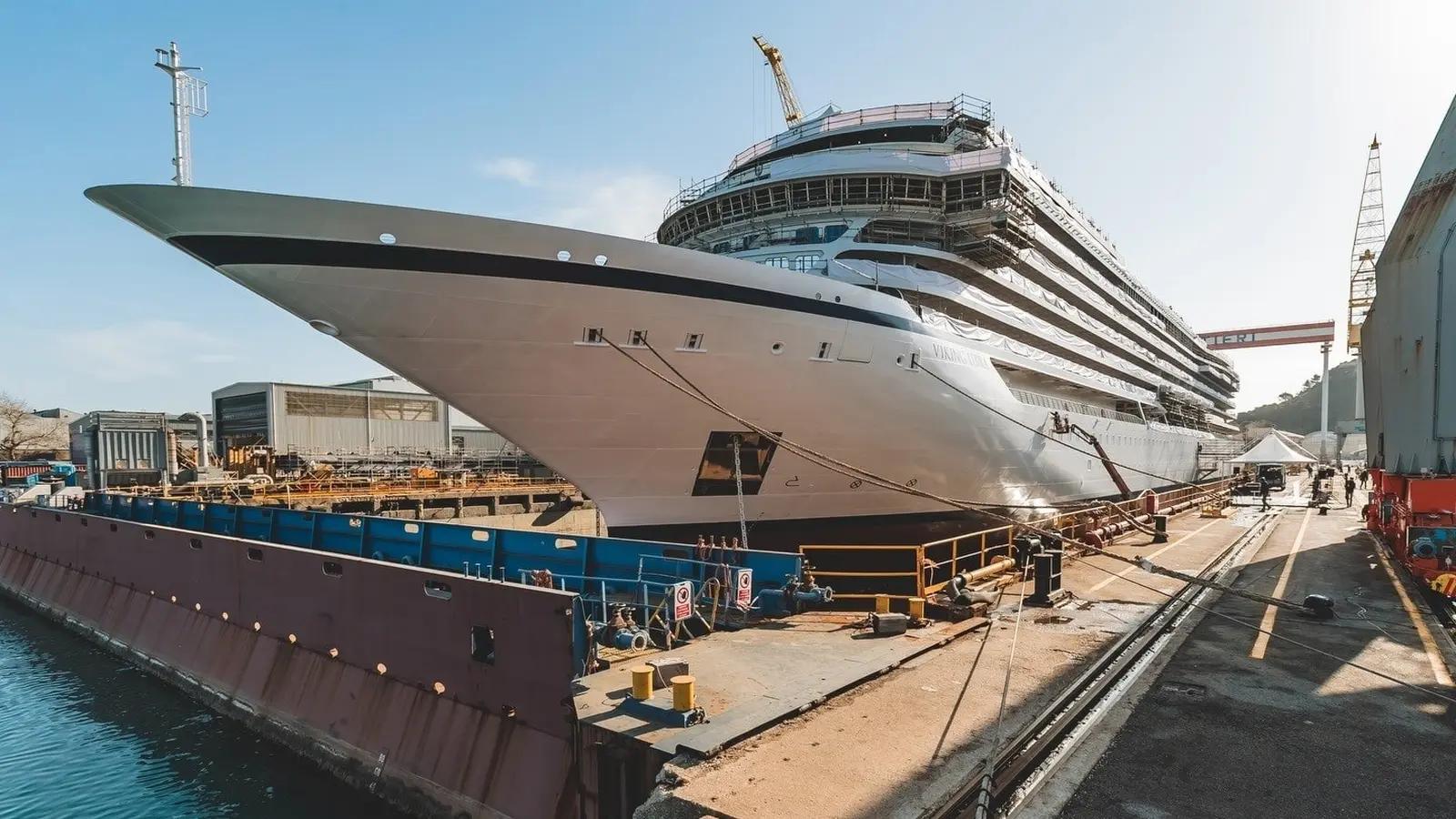
Viking has moved its second hydrogen-powered cruise ship, Viking Astrea, into the final stage of construction after the hull touched water, with an official delivery scheduled for May 2027. Its sister ship, Viking Libra, is due to be delivered within a couple of months, and together Viking says the two vessels will be the world’s first cruise ships to use hydrogen fuel cells and liquefied hydrogen for zero-emission operations. Published 14 Sep 2026 • By Otilia Drăgan
Technology, size and schedule
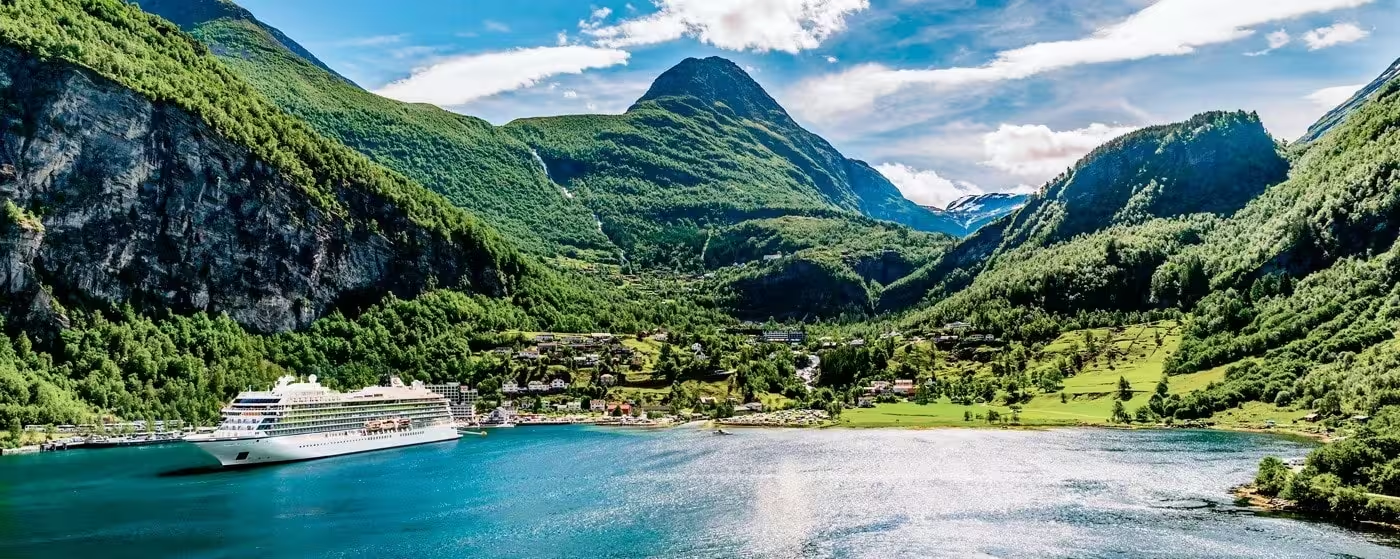
Both ships are small ocean cruise vessels with a gross tonnage of 54,300 GT and 499 staterooms, a configuration Viking says is well suited to a hydrogen-hybrid propulsion approach. The dedicated system, developed by Isotta Fraschini Motori (IFM), the fuel-cell specialist subsidiary of Fincantieri, combines fuel cells and storage for liquefied hydrogen and is estimated to deliver about 6 MW of power. IFM and Fincantieri, which has built river and ocean ships for Viking for more than a decade, are responsible for the design and integration of the propulsion hardware.
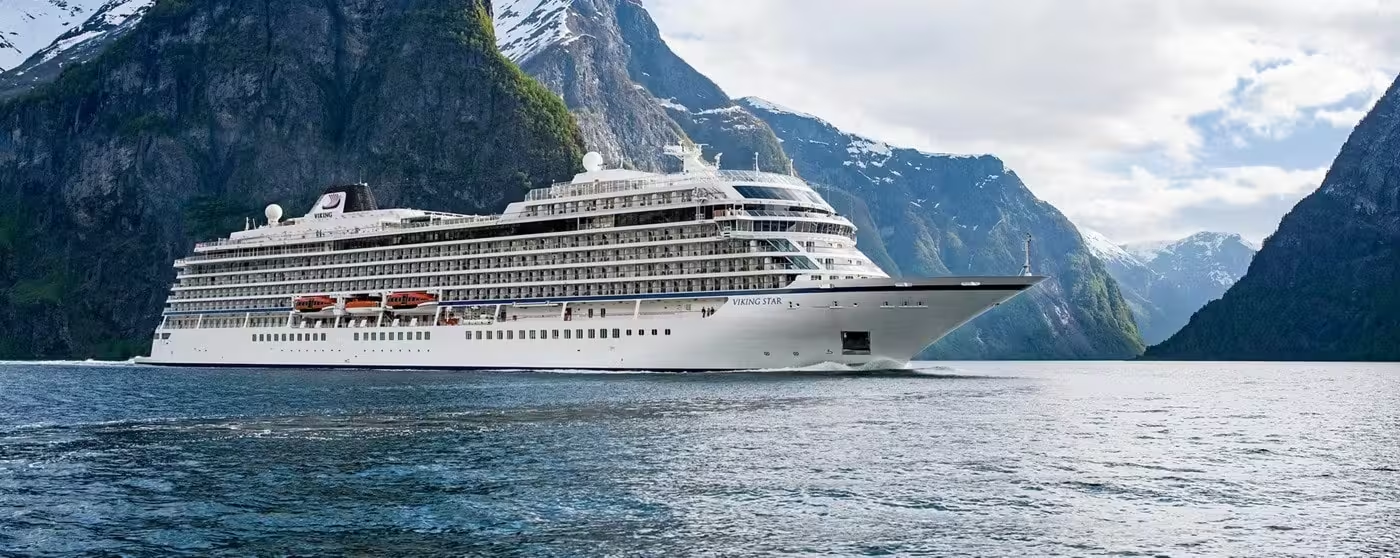
Viking and the builders describe the propulsion arrangement as a hydrogen-hybrid system; in plain terms, that means the ships will use hydrogen in fuel cells to generate electricity for propulsion and hotel loads, with other onboard systems available as part of the hybrid architecture. Viking says this will allow the vessels to operate with zero emissions in sensitive coastal and port areas where conventional ships are restricted.
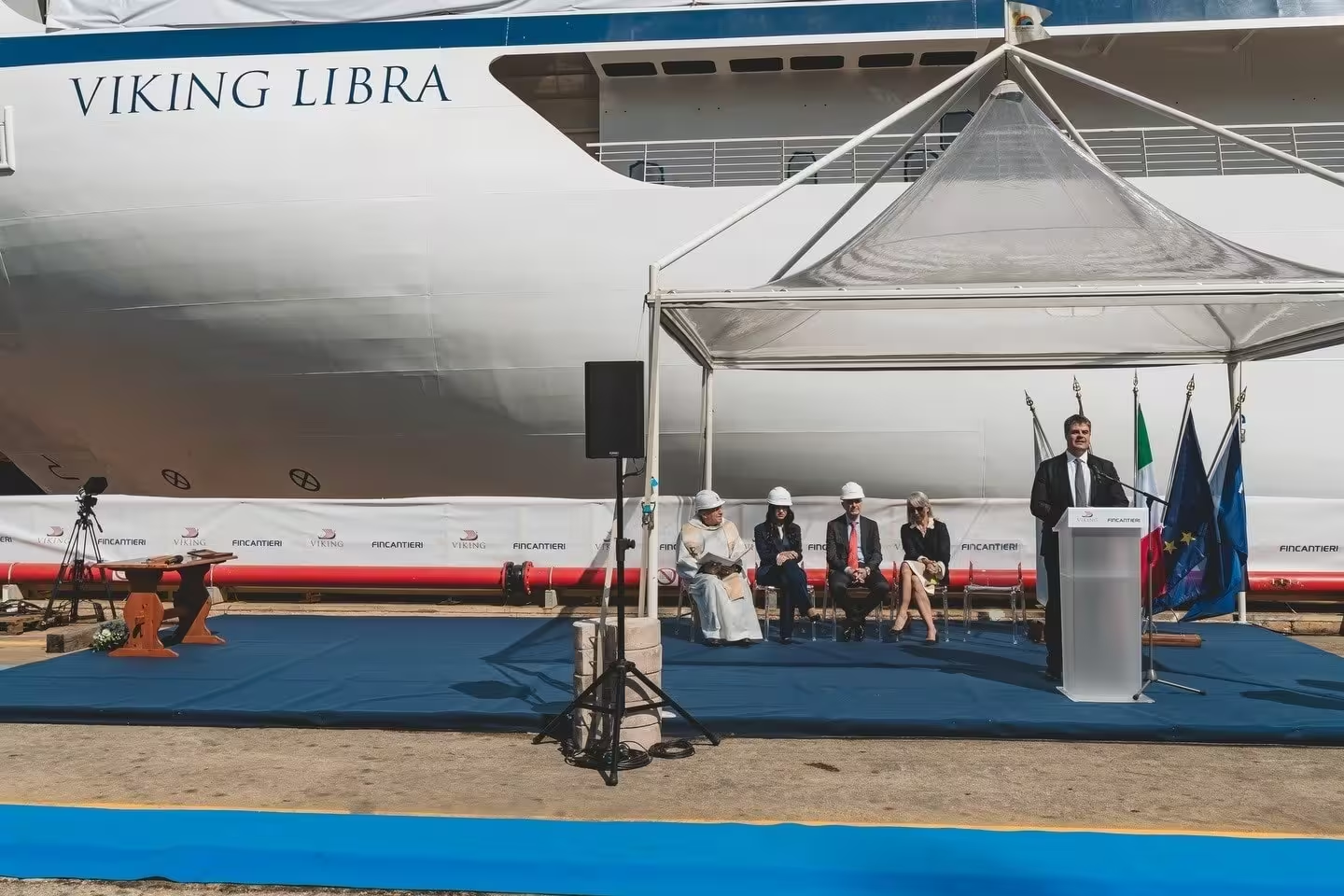
Viking Astrea has completed its float-out phase and will move to a nearby outfitting berth for interior construction and final systems integration ahead of the planned May 2027 handover. Viking Libra, the first of the pair, is reported to be only weeks away from delivery as the yard completes final checks and commissioning.
Context and prior steps
The hydrogen project follows a series of environmental steps by Viking. Earlier in 2026 the company became the first river cruise operator in Europe to operate an all-electric motorcoach, a 100 percent electric luxury bus deployed for shore excursions in Vienna; Viking says it will add similar electric coaches to other European fleets. Viking also traces its propulsion development back to 2009, when it deployed hybrid-electric engines on river ships, and its Viking Longships line already pairs hybrid propulsion with onboard solar panels.
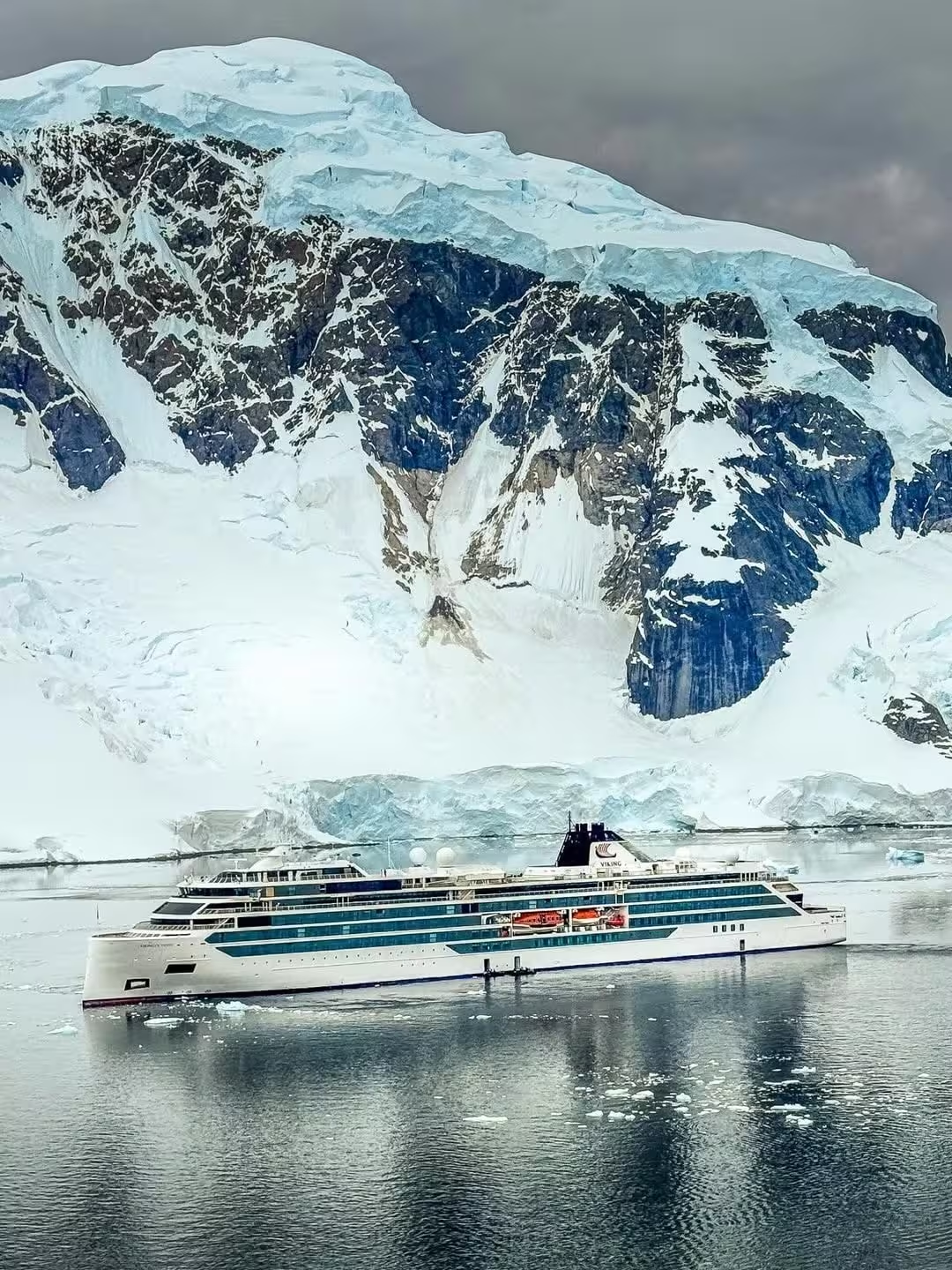
Fincantieri and IFM’s involvement reflects the shipyard’s long relationship with Viking and its in-house development of fuel cell systems for maritime use. Viking frames the Libra and Astrea program as a continuation of the operator’s long-term sustainability strategy; the company positions the pair as pioneers for luxury cruise operations that aim to meet strict environmental limits in protected waters.

“Cars are evolving faster than ever. I cover electric vehicles, smart mobility, and the future of transportation worldwide.”

Discussion
Leave a Comment
Comments
No comments yet. Be the first.