
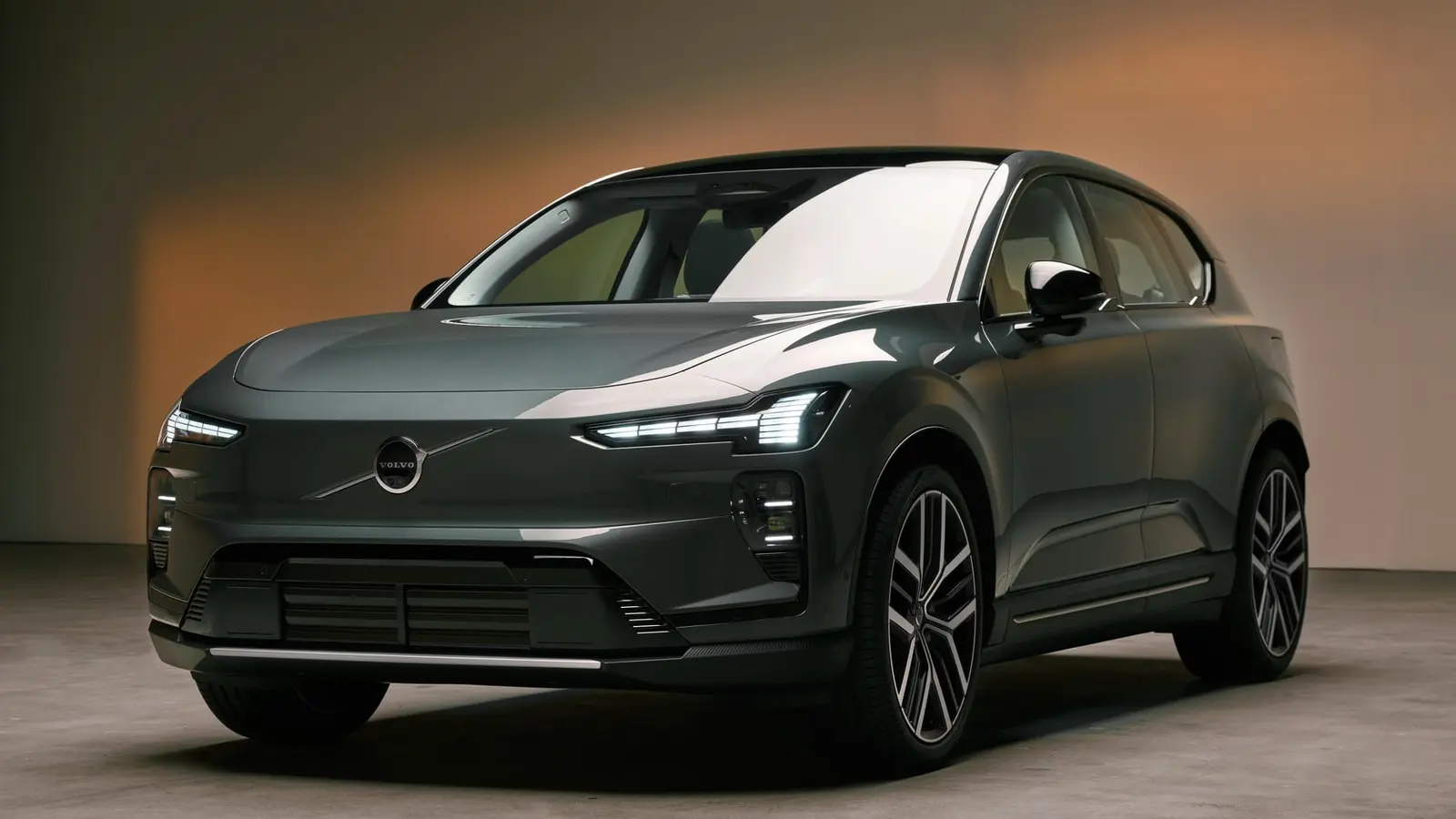
The first new EX60s have rolled out of Gothenburg and into the hands of waiting owners. Keys changed over on home turf, and with that small gesture Volvo has put its most important fully electric car into public life.
There is theatre in this moment. This is not a facelift or a motor-show concept. The EX60 is the first Volvo conceived, engineered and built entirely in Sweden as a full-electric model. It is the car that will tell us whether Volvo’s plan to be a zero-emission brand can survive the brutal realities of production, price and customer appetite.

Made differently, from the ground up
Under the skin sits SPA3, a fresh architecture that severs ties with earlier electric Volvos and lets designers and engineers think again about structure, safety and packaging. That new thinking shows up in concrete ways. Volvo uses megacasting in the EX60, where an 8,400-ton press replaces more than 100 stamped pieces. The result is fewer joins, lower complexity and a stiffer body.
There is also cell-to-body battery integration. Instead of tucking a pack under the floor like an extra suitcase, the battery becomes a structural element. The payoff is weight distribution, rigidity and safety that you cannot fake with software.

Volvo states a WLTP range of up to 810 kilometres, and that headline figure is why rivals from Munich and Stuttgart will be watching closely.
Range matters. Real customers care about real distance. Volvo’s top P12 AWD model carries a 112 kWh pack and is rated at up to 810 km WLTP in ideal conditions. Mid and entry variants use smaller 91 kWh and 80 kWh options, with real-world WLTP estimates that still make daily life easy: think 660 km for the balanced P10 and around 611 km for the P6 at the entry level.
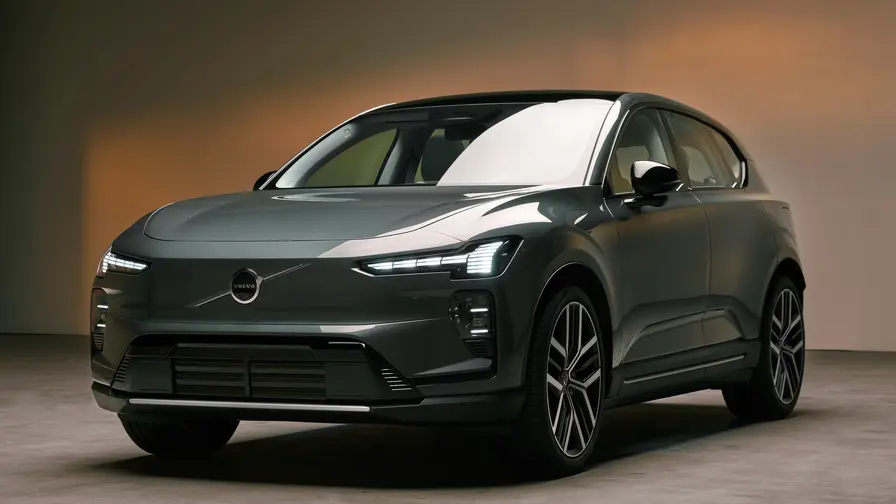
Charging is where the EX60 starts to feel grown-up. An 800-volt electrical architecture and peak charging at 400 kW allow for fast replenishment. Volvo claims you can add roughly 340 km in 10 minutes under the right conditions. Short stops, long strides forward. That’s a phrase many buyers will hear as reassurance.

Volvo has built the model line to be flexible. Seven variants, three powertrain philosophies, choices for efficiency or outright range. That variety is deliberate; it spreads appeal and helps dealers place cars with different types of buyers.
Pricing is a key test. In Sweden the EX60 starts at about 59,250 euros. In the United States the rear-wheel-drive Plus grade is listed at roughly 55,020 euros including destination charges. Those are ballpark figures, presented here in euros to reflect current purchasing comparisons for many readers.
Production at Torslanda matters more than a glossy brochure. The factory received a major investment to shift toward all-electric output, and the plant is now under pressure to turn orders into cars. Volvo secured an agreement with trade unions to keep the line running through the summer shutdown to meet targets. Early demand is encouraging: Sweden alone logged more than 3,000 firm orders in the first month, outpacing the quieter reception for the smaller EX30.

So what should readers take away? This is a model with the technical ingredients to compete at the premium end of the EV market. It mixes modern manufacturing techniques, a newly optimized platform and fast charging into a package that leans hard on range credibility. But execution will be visible in delivery times, build quality and aftersales. Those are areas where the carmaker must prove itself beyond press releases.
For Volvo, the EX60 is both a product and a promise: a test of whether Swedish engineering and a renewed factory strategy can convert interest into sustained sales. The first deliveries are just the opening chapter. What follows will tell us whether this car is a turning point or merely part of a longer, complicated road toward electrification.

“I cover automotive innovation, electric vehicles, and the future of mobility — where technology meets sustainability.”

Discussion
Leave a Comment
Comments (2)
Wow made in Sweden, battery as structure is neat. Ambitious move, hope deliveries dont choke the launch, fingers crossed
810 km WLTP? If thats real then wow... but price, delivery and real world range will tell. Megacasting sounds cool, but will it hold up in daily use? kinda skeptical