
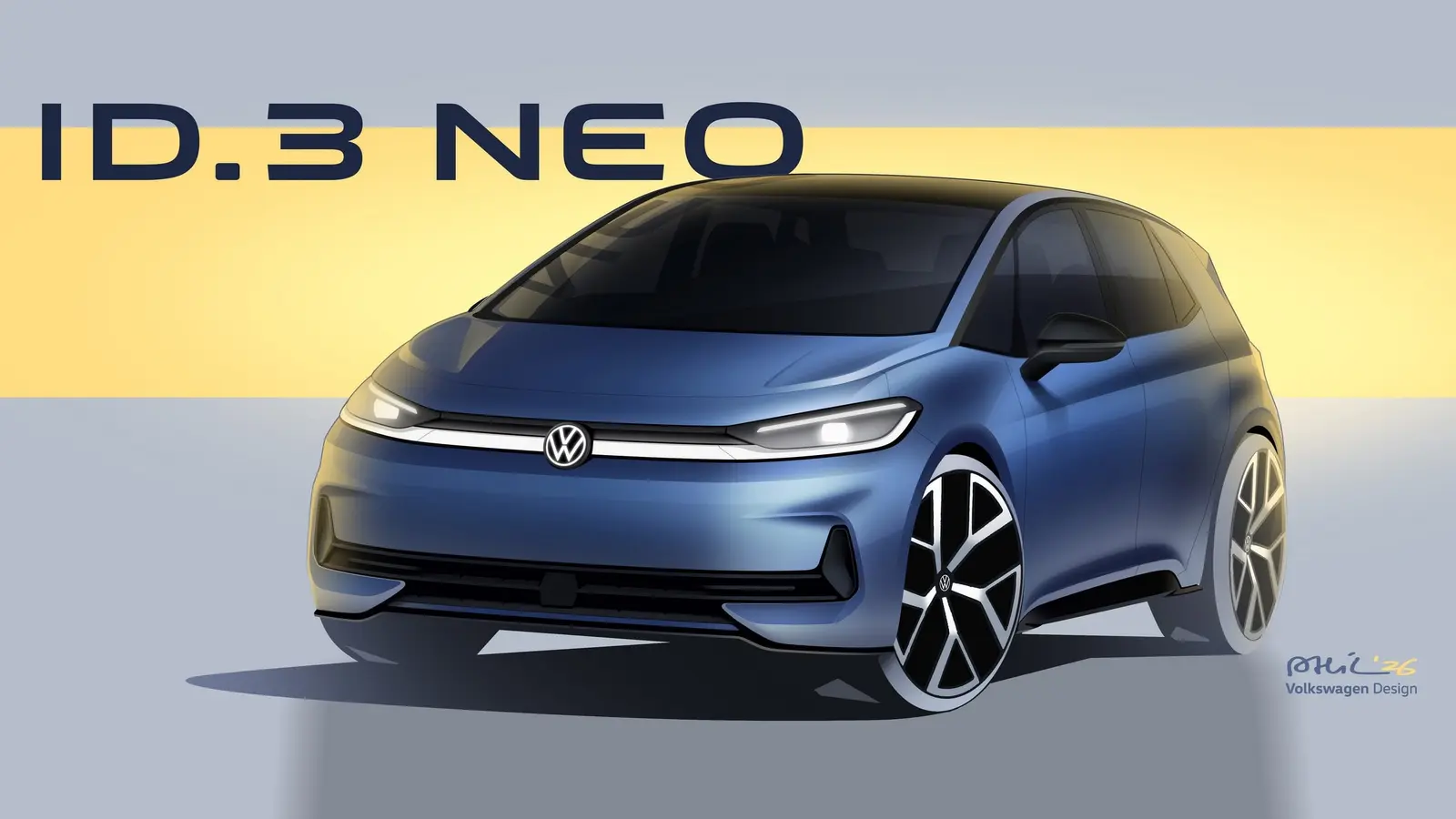
Walk into Zwickau today and you feel the past and the future jostling in the same space. Robot arms hum. Workers move with practiced calm. Yet in boardrooms, plans are being sketched that could empty those lines within a decade.
A report in WirtschaftsWoche, drawing on supervisory board documents, outlines a draft timetable that would phase out vehicle assembly at four German sites: Emden and Zwickau around 2031, Hanover in 2032, and Neckarsulm in 2034. Volkswagen has declined to comment on the specific documents, and executives insist a proposal is not the same as a final decision. Still, the scale of the draft is striking. Up to 140,000 jobs are said to be exposed, and executives warn the group cannot show competitive utilization for those factories into the 2030s.

What this could mean for Germany's EV manufacturing
Why would Volkswagen even consider closing plants that are central to its electric vehicle shift? Because the problem is less about abandoning electrification and more about where it gets built, and at what cost. Company leaders say Europe carries excess capacity of more than 500,000 cars a year. That is not an academic figure; it is a business headache that forces hard choices.
Zwickau is emblematic. Once a symbol of Germany's conversion from combustion engines to full electrics, it hosts Audi Q4 e-tron production and has been promoted as a circular-economy hub. Emden plants current ID.4, ID. Tiguan, and ID.7 builds. Hanover handles electric vans like the ID. Buzz and Multivan. To many, these factories are not just suppliers of cars but proof that Volkswagen can retool heritage sites for a battery future.

And yet plans floating in industry circles suggest a different geography of production may be emerging. Rumors point to the ID.4 successor heading east, possibly to Skoda's main plant in Mlada Boleslav. The next Q4 e-tron could shift to Bratislava. Electric van assembly from Hanover might go to Poznan. Even the Audi A8 successor is tipped for Leipzig. None of these moves are confirmed. They are, however, realistic options in a company that must match capacity with demand and margins.
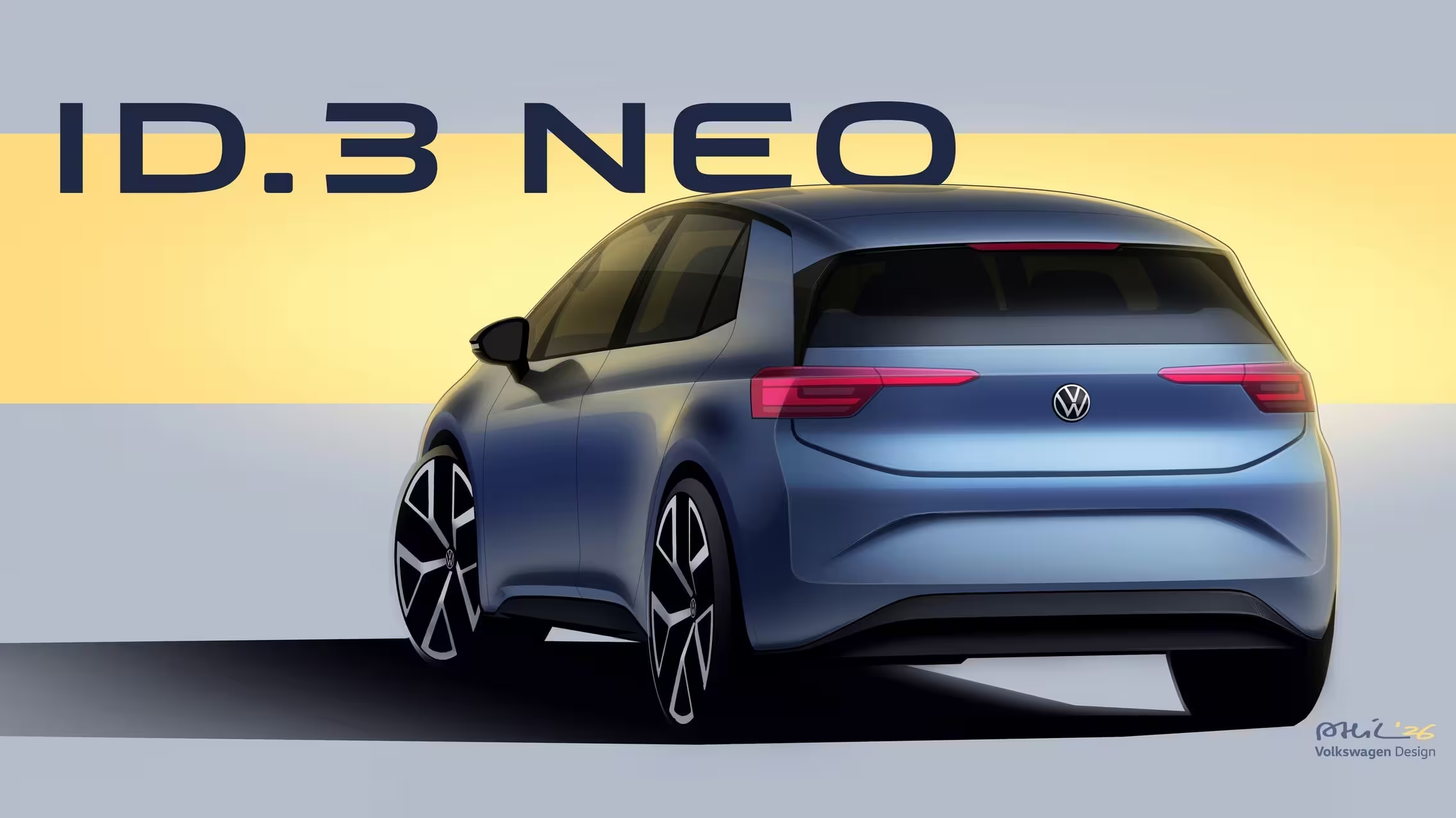
So what happens to workers and communities tied to those factories? Labor unions, local politicians, and employees are rightly anxious. Plant closures are not quick switch-offs. They are political fights, negotiation marathons, and years of uncertainty. Volkswagen's supervisory board and employee representatives must still reconcile competing priorities: protecting jobs, preserving industrial capability, and making the group financially resilient.
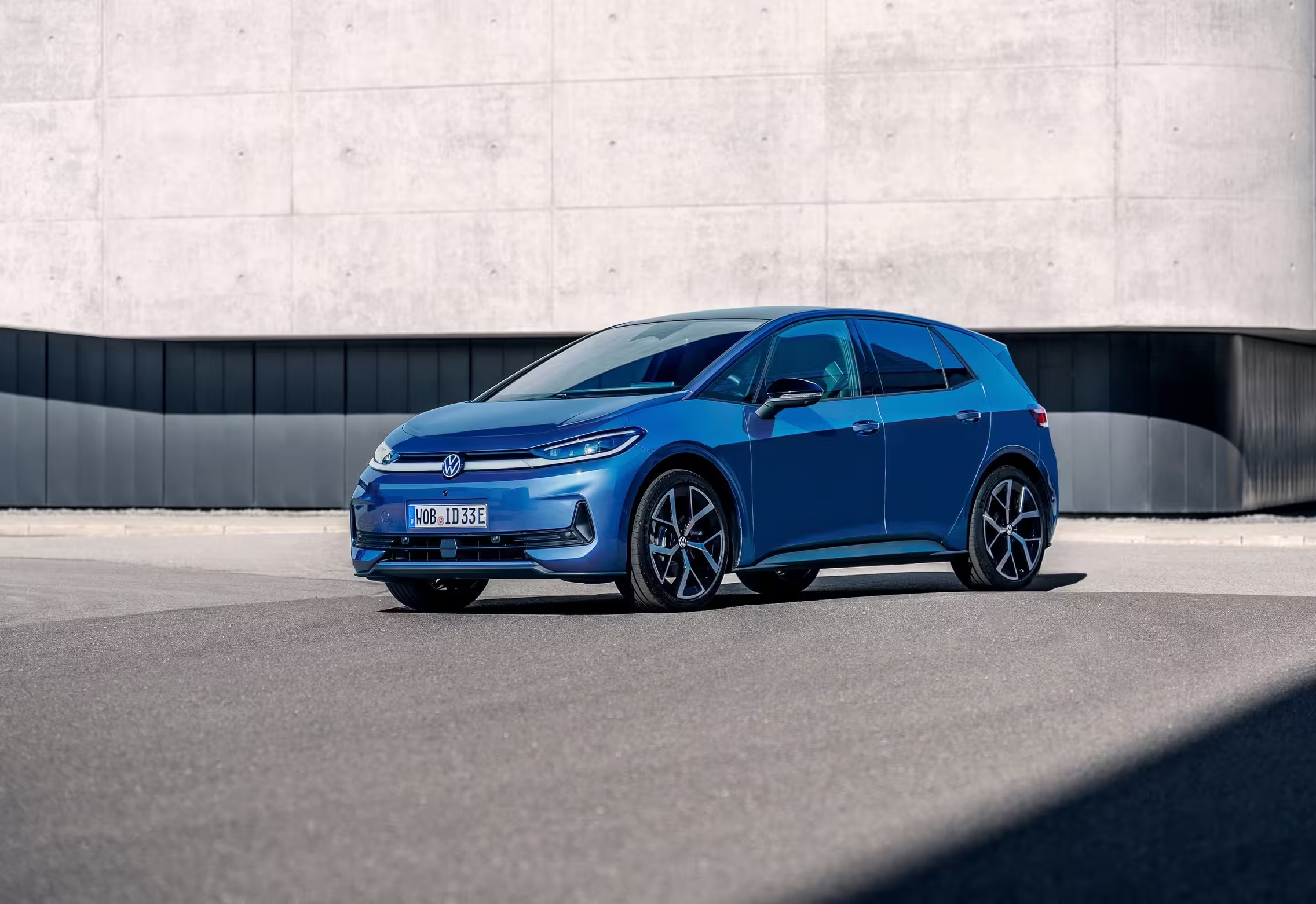
The timing that appears in the leaked documents matters because it shapes expectations. A 2031 deadline for Emden and Zwickau forces conversations now about retooling, model allocation, and supply-chain shifts. It pressures governments to offer incentives or negotiate job-protection packages. It pushes unions to demand clarity and guarantees. And it forces Volkswagen to make tough calls about whether to consolidate production into fewer, lower-cost hubs or keep a broader manufacturing footprint for strategic reasons.

For the wider market, the implications are clear. Europe is not immune to the global race for economical EV production. Costs, labor structures, and manufacturing scale are magnetic forces that will pull assembly to the most competitive locations. That is a cold reality for legacy plants that were optimized for combustion-era logic and later patched for electrification.

But the story is still being written. A management sketch is not a headline closure. There is time for alternatives: ramped-up retrofit plans, state interventions, model swaps, or negotiated timelines that soften the blow. Volkswagen's leadership has been explicit: no final decision has been taken. Yet the draft plan has already shifted the conversation from what might happen to how to respond.
One thing is certain: the next few years will determine whether these German sites remain pillars of an EV future or become case studies in industrial consolidation. The engines might be electric, but the politics and economics driving production decisions are as combustible as ever.

“I cover automotive innovation, electric vehicles, and the future of mobility — where technology meets sustainability.”

Discussion
Leave a Comment
Comments (2)
Worked in a plant like that, the uncertainty just kills morale. Need retraining, clear timelines and state deals, not sudden layoffs. who's got the courage?
wait so they're really gonna shut Zwickau? that would wreck local jobs... where would VW even build all those EVs, Czech? Poland? feels shady.