
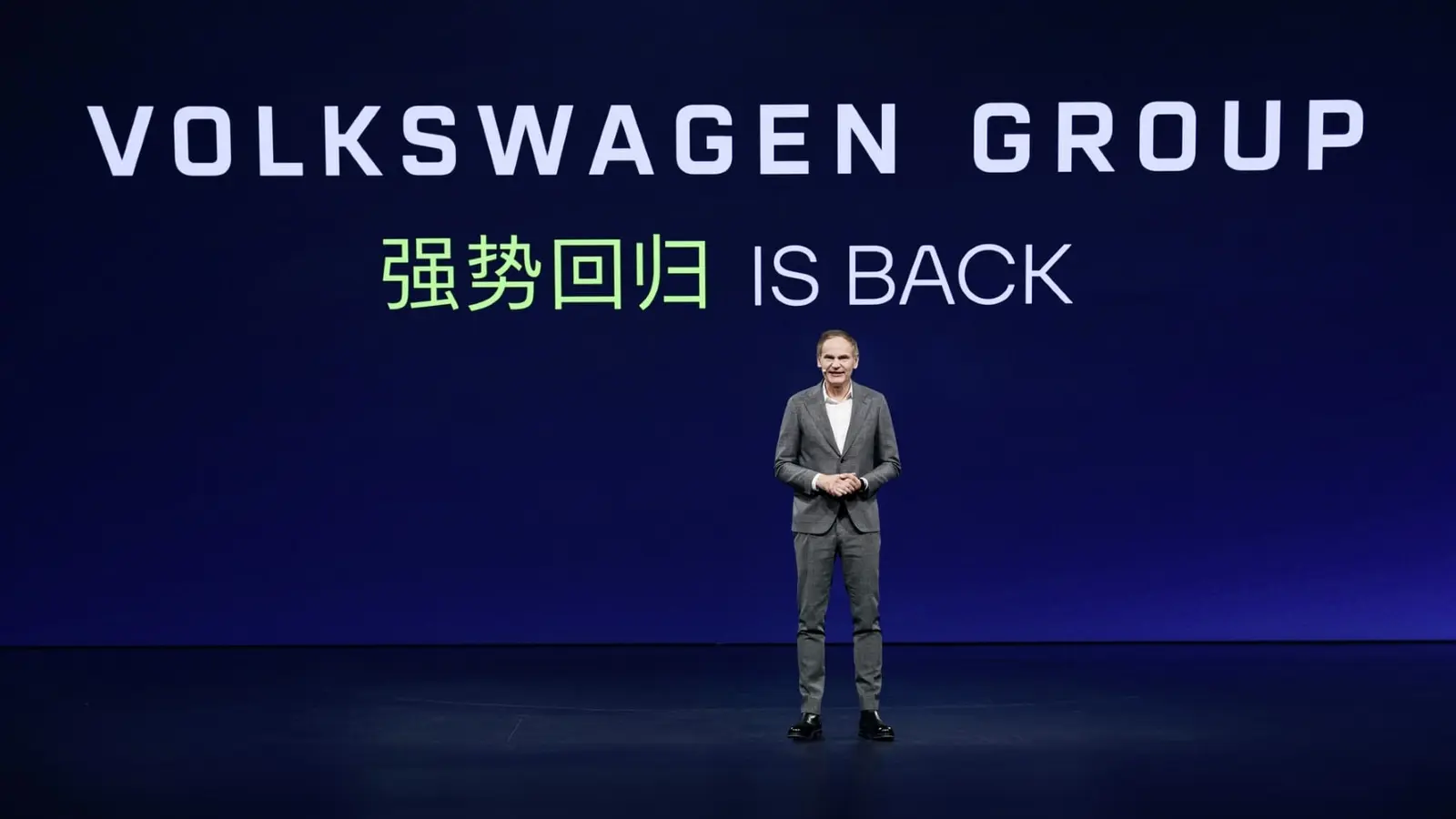
When Oliver Blume walked into Wolfsburg on that August morning, he faced a roar that felt less like a greeting and more like an indictment. More than 10,000 workers had turned out at Volkswagen's headquarters, and the mood was unmistakable: anger, fear, and a refusal to accept a future that looks leaner and meaner for the company’s German workforce.
Wolfsburg's boiling point
Blume and Volkswagen brand chief Thomas Schafer came to explain a restructuring plan that places as many as 100,000 jobs under scrutiny. About half of those cuts are already formalized through roughly 37,000 signed agreements; the plan calls for the first 50,000 reductions across CARIAD, Volkswagen, Audi, and Porsche in Germany through 2030. The figures are raw, stark, and impossible to sugarcoat.

Why so drastic? Management’s argument rests on hard maths. Volkswagen says its overhead in Germany sits roughly 30 percent higher than comparable rivals, while current operating margins around 3.8 percent are unsustainable when new Chinese rivals are encroaching, German factories carry heavy excess capacity, and tariff exposure to the United States is costing the company billions of euros. The board’s target is an operating return on sales of 8 to 10 percent by 2030, and annual net savings above 6 billion euros by the same year.
Those numbers may make sense on a spreadsheet, but they do little to quiet an assembly line that feels the cuts will be paid for with worker livelihoods. Daniela Cavallo, the German labor leader, told management plainly that factories in Germany remain central to Volkswagen’s identity and business — and that trust in the executive board has been damaged. She stopped short of severing ties, a hint that negotiations are far from over.
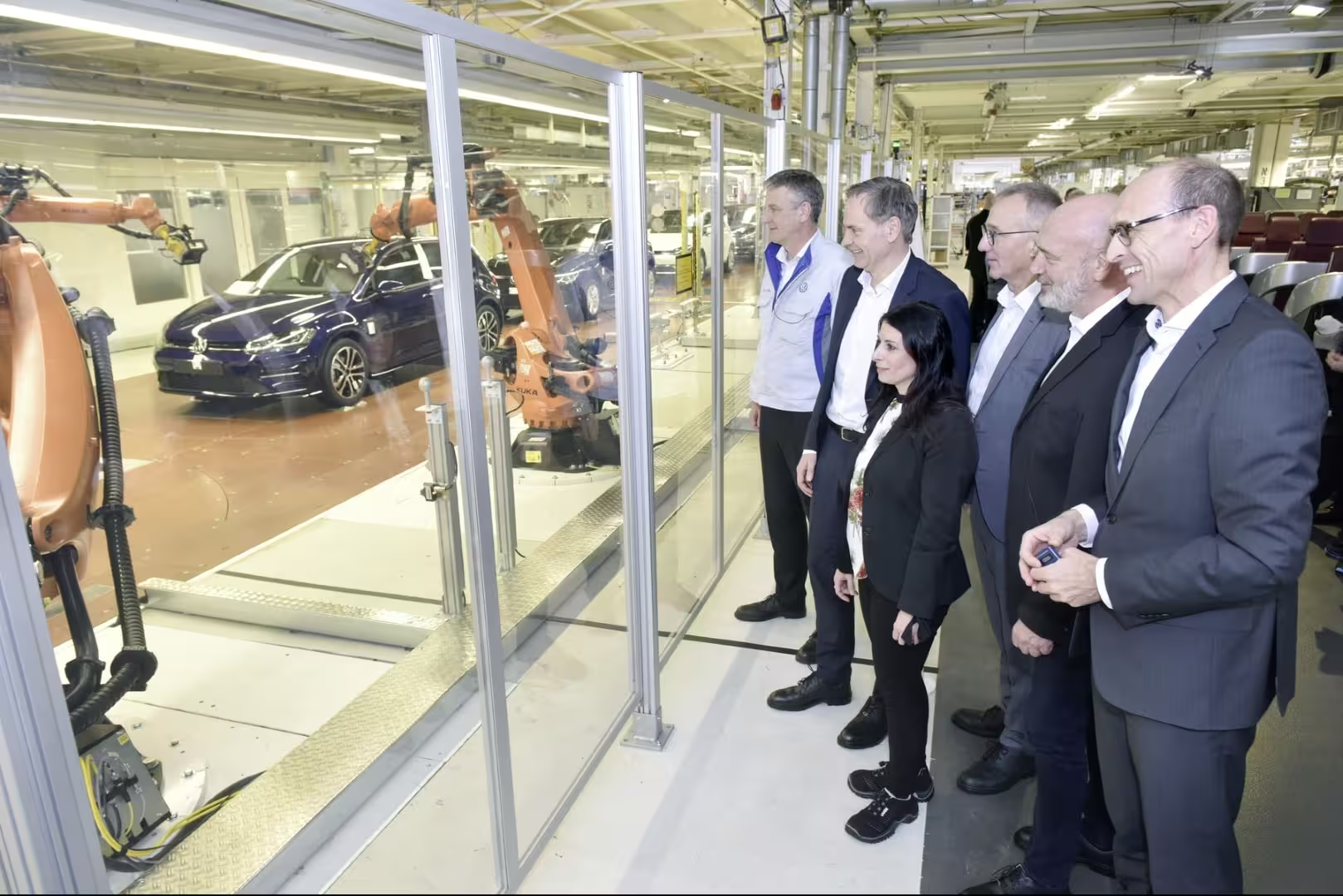
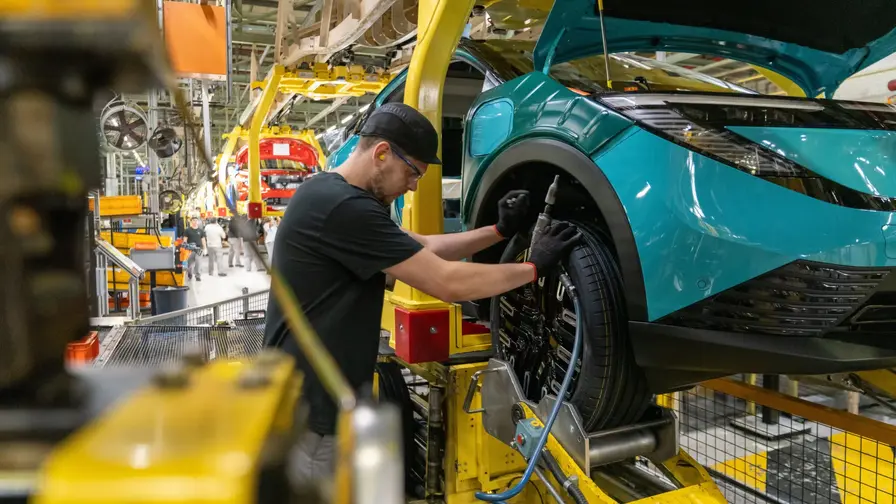
There is a practical reason the fight centres on German plants: overcapacity. Some facilities are already on the edge. Osnabruck is expected to wind down production in 2027, and three other plants face uncertain production prospects after 2030. Management is exploring alternatives to outright closures — partnerships with the defence sector and redirecting China-focused models to Europe and the United Kingdom among them — but so far no definitive solution has emerged.
Blume insisted closures are a last resort and underscored that major moves cannot be made unilaterally. Volkswagen’s governance structure gives factory representatives and the state of Lower Saxony significant influence over strategic choices, turning any restructuring into a political and industrial negotiation as much as a corporate exercise.

For many workers, the story is not only about numbers. Frustration runs deeper: blame directed at poorly executed electric models, software shortcomings from the CARIAD unit, and an uncomfortable gap in competitiveness with Chinese automakers. Those grievances feed the public anger that met the CEO at the Wolfsburg forecourt and make consensus harder to reach. Can management convince the rank-and-file that sacrifices now will secure the company later? That is the central question.
What happens next is open to negotiation. The executive team looks to chart a path that preserves Volkswagen’s industrial footprint in Germany while trimming costs enough to compete globally. Labour leaders want guarantees: fewer closures, better redeployment options, and a clear plan for preserving skilled jobs. Political players in Lower Saxony will be a pivotal voice as talks proceed.
Corporate targets are clear and ambitious: a higher return on sales and significant cost savings by 2030. But the human reality is complicated: plant wages, communities built around factories, and a workforce ready to resist changes they see as avoidable. The showdown in Wolfsburg is not just about balance sheets and benchmarks. It is about whether Volkswagen can modernize without alienating the people who built it.
Blume’s future as CEO may hinge on the outcome. If he can broker compromises that appease labour power centres while delivering meaningful cost improvement, he survives. If not, the boos that echoed through Wolfsburg could mark the start of a much larger battle for the company’s soul.

“I cover automotive innovation, electric vehicles, and the future of mobility — where technology meets sustainability.”

Discussion
Leave a Comment
Comments
No comments yet. Be the first.